









Party Renewal and Leadership in Brazil: The Brazilian Labour Party’s Ageing Dilemma
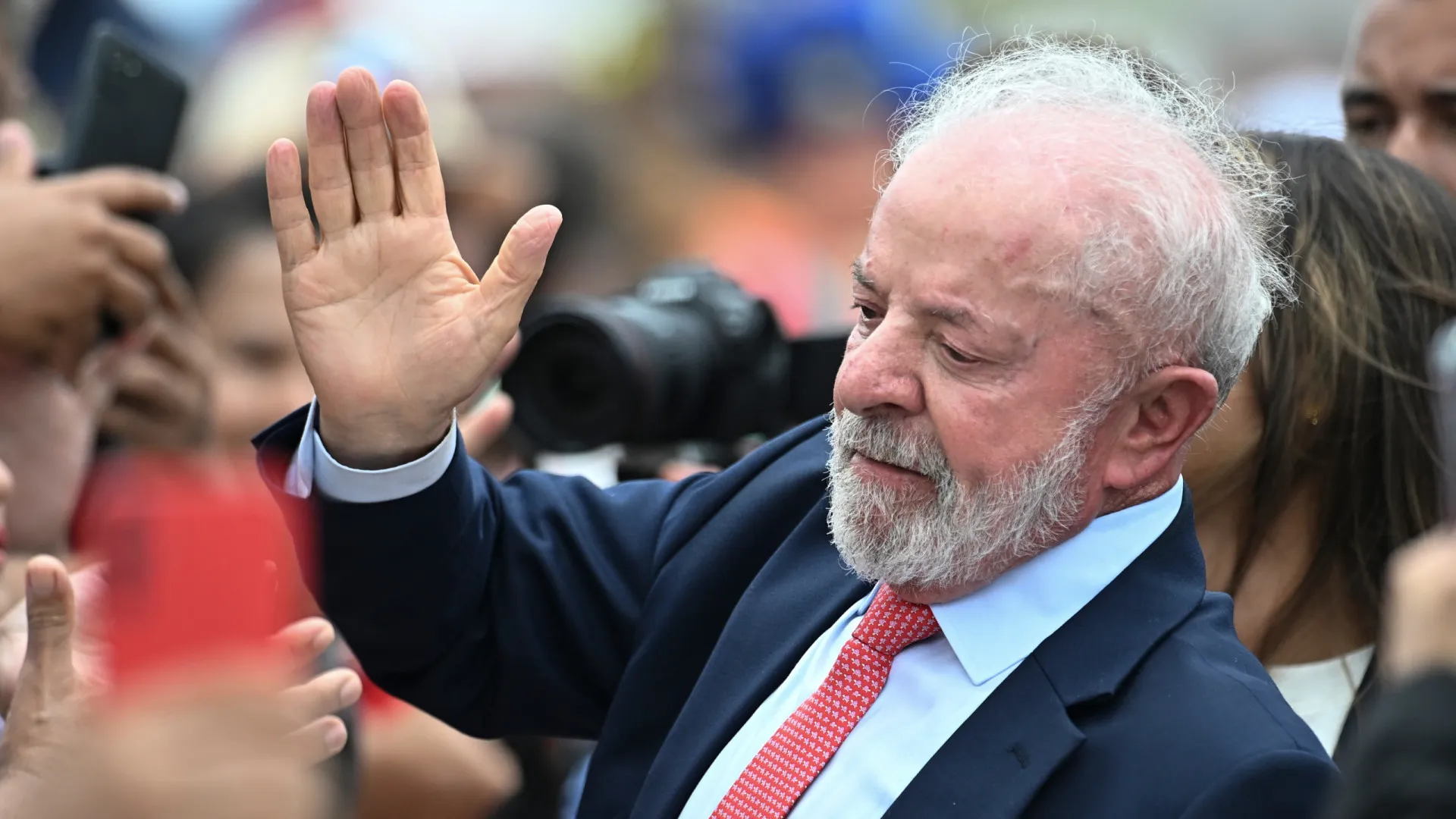
The Brazilian Labour Party (PT), a major force in Brazilian politics, has been grappling with a pressing concern: the lack of renewal in its leadership. This issue has been a recurring theme in discussions among party members, including its former leader, Luiz Inácio Lula da Silva, also known as Lula. The party’s current parliamentary representation, with an average age of over 60, has sparked concerns about the future of the party.
According to recent data, the PT’s parliamentary delegation is the third oldest in the Brazilian Chamber of Deputies, with a median age of 62. This trend is not unique to the PT; many other parties in Brazil have also been criticized for their aging leadership. However, the PT’s situation is particularly noteworthy, given its history and influence in Brazilian politics.
A Historical Context: PT’s Rise to Power
The PT rose to prominence in the 1980s, with a focus on social and economic issues. The party’s leader at the time, Lula, played a crucial role in shaping the party’s agenda and ideology. Under his leadership, the PT became known for its commitment to social justice and economic equality. However, as the years went by, the party’s leadership remained relatively unchanged, with many of its key figures holding positions for decades.
The Consequences of Inaction
Lula’s public concerns about the lack of renewal in the party are not unfounded. The PT’s aging leadership has been criticized for its inability to adapt to changing circumstances and to respond effectively to the needs of Brazilian society. The party’s failure to attract new, younger leaders has also been seen as a major obstacle to its continued relevance in Brazilian politics.
In 2026, Lula expressed his frustration with the barriers that the party’s old guard has erected to prevent new candidates from running for office. This move has been seen as an attempt to shake up the party’s leadership and to bring in fresh faces. However, the outcome of this effort remains to be seen.
The Future of the PT
The Brazilian Labour Party’s ageing dilemma has significant implications for the future of the party and Brazilian politics as a whole. As the party grapples with this issue, it must also consider the changing landscape of Brazilian politics and the needs of its constituents. By failing to renew its leadership, the PT risks becoming increasingly irrelevant and isolated from the concerns of Brazilian society.
In conclusion, the Brazilian Labour Party’s ageing dilemma is a pressing concern that requires immediate attention. As the party navigates this complex issue, it must also consider the historical context and the future implications of its actions. By doing so, the PT can ensure its continued relevance in Brazilian politics and its commitment to the values that have guided it for decades.