







Iran-US Relations: A Delicate Balance of Power
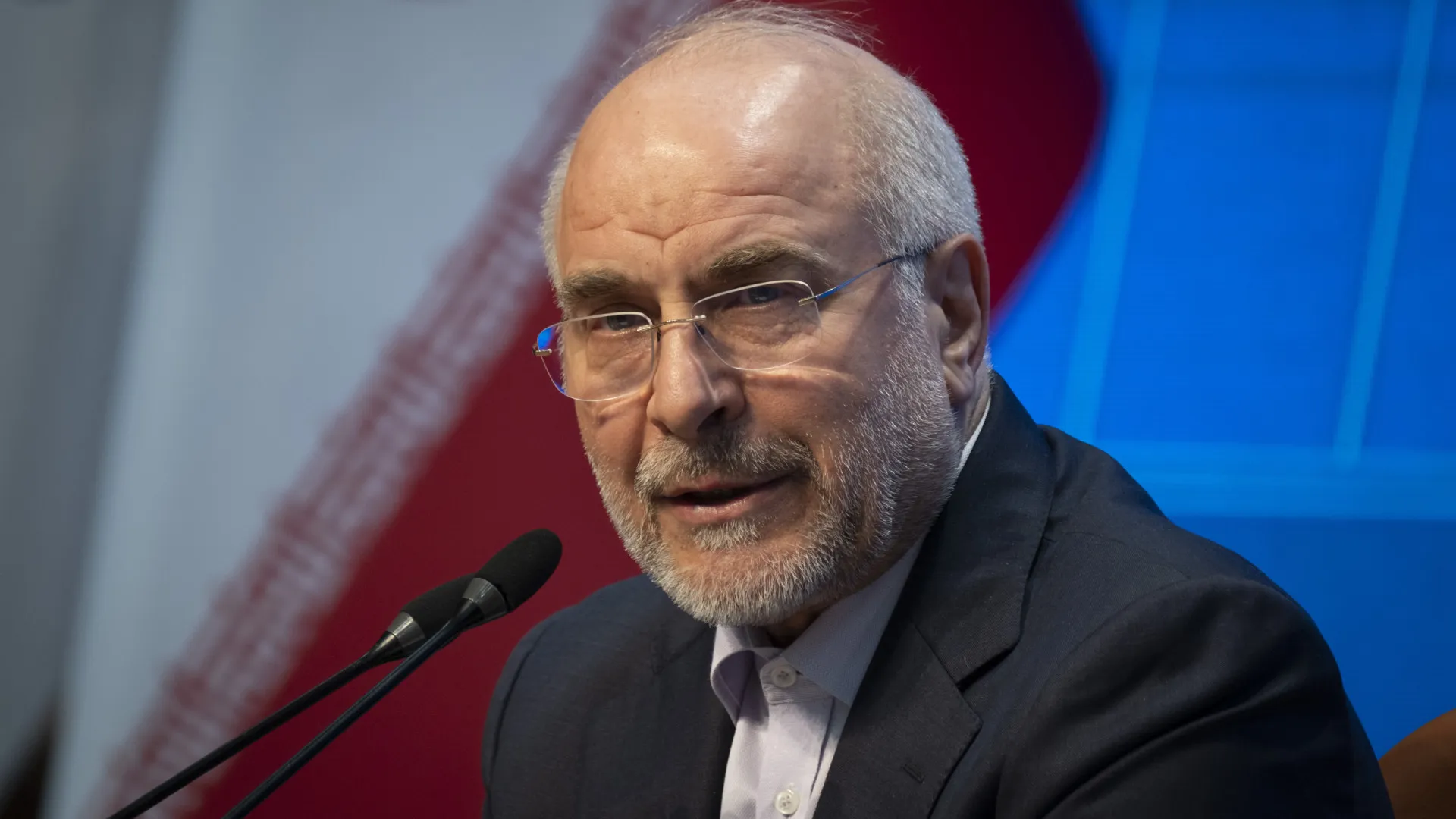
The ongoing conflict between Iran and the United States has reached a critical juncture, with Mohammad Ghalibaf, a prominent Iranian politician, playing a pivotal role in the negotiations. Despite his bold statements directed at Washington, Ghalibaf is viewed by the White House as a moderate and pragmatic player, capable of facilitating a resolution to the crisis.
A Complex Web of Alliances
To understand the significance of Ghalibaf’s involvement, it is essential to grasp the intricate dynamics of the Middle Eastern region. Iran, a key player in the region, has been at odds with the United States for decades, with tensions escalating since the 1979 Islamic Revolution. The US, on the other hand, has maintained a robust military presence in the region, with a focus on containing Iranian influence.
Ghalibaf, a former commander of the Iranian Revolutionary Guard Corps (IRGC), has been a vocal critic of US policies in the region. However, his recent statements, which included threats against Washington, have been seen as a ploy to demonstrate his nationalist credentials, rather than a genuine call to action. This calculated approach has not gone unnoticed by the White House, which views Ghalibaf as a valuable asset in its quest for a peaceful resolution.
A Possible Solution to the Crisis?
According to a recent report by Politico, Ghalibaf is one of the preferred options in Washington for navigating a resolution to the conflict. His experience as a former IRGC commander and his current position as a member of the Iranian Parliament make him an attractive candidate for negotiations. Ghalibaf’s involvement could potentially pave the way for a more constructive dialogue between the two nations, one that takes into account the interests and concerns of both parties.
Historical Context and Implications
The Iran-US conflict has its roots in the 1979 Islamic Revolution, which led to the establishment of an Islamic republic in Iran. The US, which had previously maintained close ties with the Shah’s regime, was quick to condemn the new government and imposed economic sanctions. Since then, tensions have continued to escalate, with periods of relative calm punctuated by moments of heightened conflict.
The current crisis has significant implications for the global balance of power. A resolution to the conflict could have far-reaching consequences, including the potential for a more stable Middle East and a reduced risk of nuclear proliferation. However, the path to a peaceful resolution is fraught with obstacles, and Ghalibaf’s involvement is just one piece of a larger puzzle.
Conclusion
Mohammad Ghalibaf’s role in the Iran-US negotiations is a complex and multifaceted one. As a prominent Iranian politician, he has the ability to shape the course of events and potentially pave the way for a more constructive dialogue between the two nations. As the situation continues to unfold, it remains to be seen whether Ghalibaf’s involvement will be a catalyst for change or simply another chapter in the ongoing saga of US-Iran relations.