










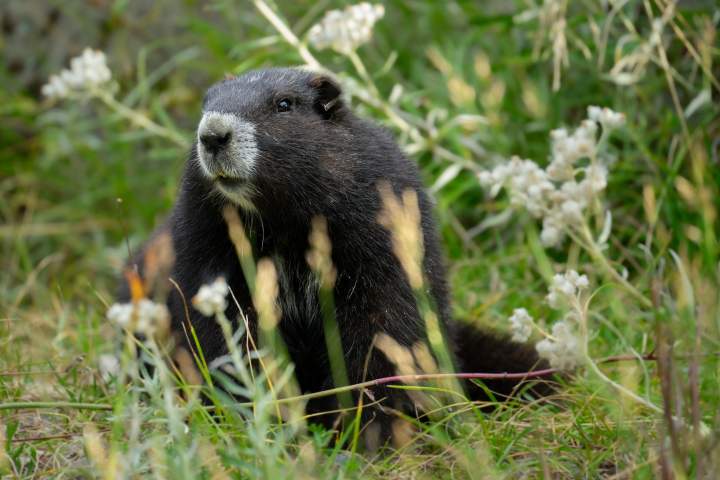
Conservation Success Story: The Vancouver Island Marmot’s Road to Recovery
In a heartening tale of conservation success, the Vancouver Island marmot, a unique and endemic species found only on Vancouver Island, British Columbia, has made significant strides in its recovery from the brink of extinction. Once plummeting to a low of fewer than 30 individuals in 2003, the species has steadily increased in numbers, thanks to concerted efforts from conservationists, researchers, and government agencies.
A Species on the Edge
The Vancouver Island marmot (Marmota vancouverensis) is a large ground-dwelling rodent, characterized by its distinctive white stripes and robust build. Historically, the species inhabited the mountainous regions of Vancouver Island, but its numbers began to decline drastically due to a combination of factors, including habitat loss, poaching, and disease. By 2003, the species was considered critically endangered, with fewer than 30 individuals remaining in the wild.
Conservation Efforts
In response to the species’ precarious situation, a collaborative conservation effort was launched, involving the Province of British Columbia, the Nature Conservancy of Canada, the World Wildlife Fund, and local community groups. The initiative focused on several key strategies, including:
1. **Habitat Protection**: The establishment of protected areas, such as the Vancouver Island Marmot Provincial Park, helped to safeguard the remaining habitats of the species.
2. **Population Monitoring**: Regular monitoring of the marmot population provided valuable insights into the species’ behavior, habitat requirements, and population dynamics.
3. **Reintroduction Programs**: Controlled reintroduction programs were implemented to supplement the wild population and help stabilize the species.
4. **Community Engagement**: Outreach and education programs were launched to raise awareness about the species’ plight and engage local communities in conservation efforts.
Success and Challenges Ahead
The concerted conservation efforts have yielded impressive results. According to the latest data, the Vancouver Island marmot population has grown to over 250 individuals, with several subpopulations established across the island. While this is a significant achievement, challenges persist, and ongoing conservation efforts are necessary to ensure the long-term survival of the species.
Lessons from the Vancouver Island Marmot
The Vancouver Island marmot’s story offers valuable lessons for conservation efforts worldwide. It highlights the importance of:
1. **Collaboration**: The success of the conservation effort was made possible by the collaboration of various stakeholders, including government agencies, NGOs, and local communities.
2. **Habitat Protection**: The establishment of protected areas was crucial in safeguarding the species’ habitat and preventing further decline.
3. **Community Engagement**: Raising awareness and engaging local communities in conservation efforts was essential in promoting the species’ recovery.
As we reflect on the Vancouver Island marmot’s remarkable recovery, we are reminded of the power of collaborative conservation efforts and the importance of protecting our natural heritage. The species’ story serves as a testament to the impact that can be achieved when humans work together to protect the natural world.
Source: globalnews.ca