










International Space Station Crew Returns to Earth Due to Astronaut’s Health Issues
A Historic First for the ISS
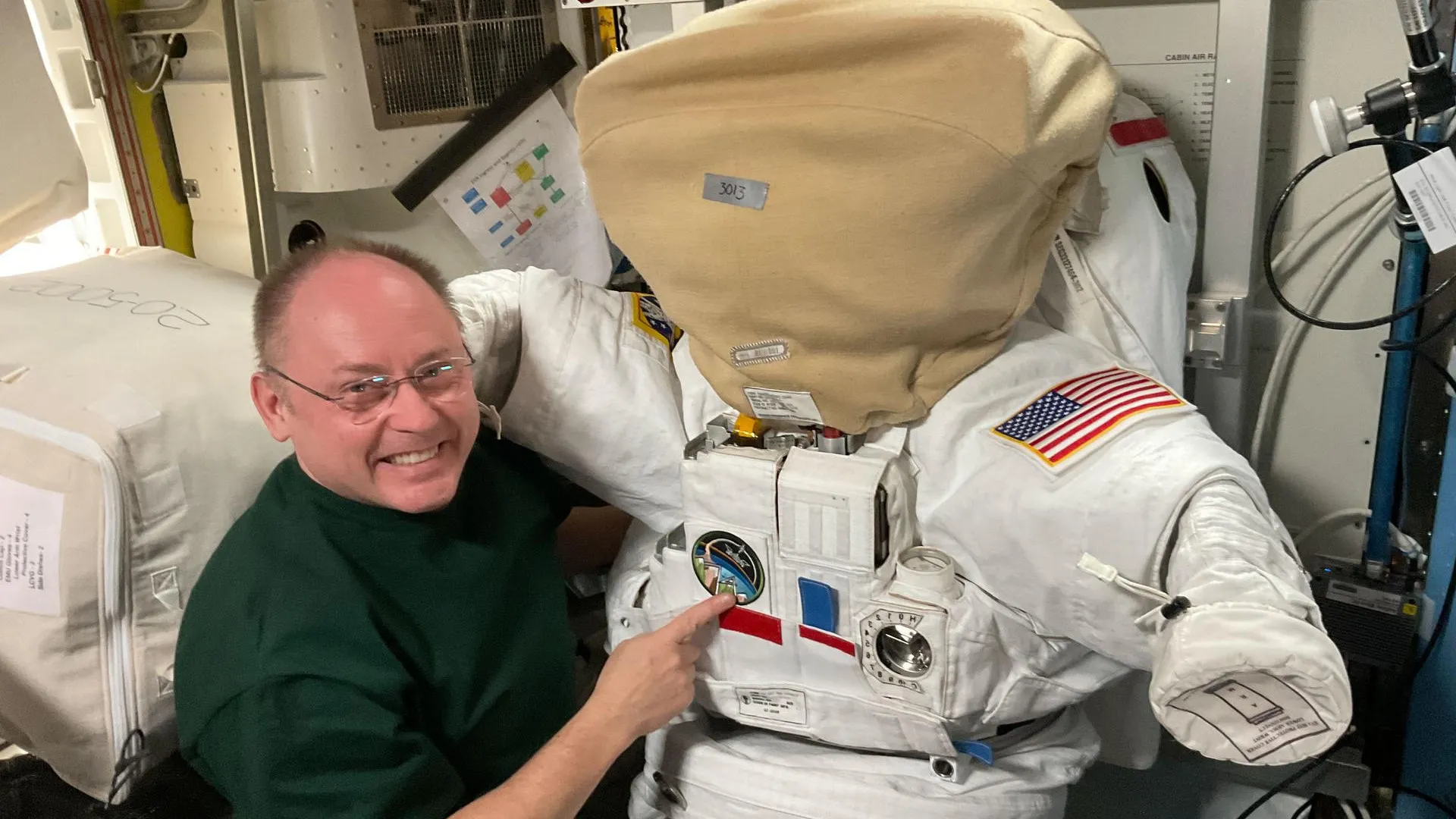
In a first-of-its-kind incident, a medical emergency on board the International Space Station (ISS) led to the premature return of the entire crew to Earth. NASA astronaut Mike Fincke was struggling with health issues while on the ISS, prompting the urgent decision to bring the crew back to safety. This unprecedented event marks a critical moment in the history of space exploration, highlighting the importance of prioritizing astronaut health and safety.
Background and Context
The ISS has been a vital hub for scientific research and space exploration since its inception in 1998. With a continuous crew of astronauts and cosmonauts from around the world, the ISS has become a testament to international cooperation in space exploration. However, this incident serves as a stark reminder of the risks and challenges associated with space travel. The ISS has a robust medical support system in place, but the decision to return the crew to Earth highlights the complexity of caring for astronauts in a microgravity environment.
Mike Fincke’s Health Issues
Mike Fincke, a NASA astronaut with extensive experience, has spent over 376 days in space, breaking multiple records for cumulative time spent in space. His current health issues are not publicly disclosed, but it is clear that they required immediate attention. The specific cause of the incident is still under investigation by NASA, emphasizing the importance of transparency and accountability in space exploration.
Historical Precedence
While this incident is unprecedented for the ISS, it is not the first time a medical emergency has led to a premature return of a space crew. In 2013, a Russian cosmonaut, Yuri Malenchenko, was forced to return to Earth early due to a family emergency. However, this incident is significant because it involves the entire crew of the ISS, rather than just one individual.
Future Implications
This incident has far-reaching implications for the future of space exploration. As NASA and other space agencies continue to push the boundaries of human spaceflight, the need for robust medical support systems and emergency response protocols becomes increasingly critical. The ISS has already demonstrated its capabilities as a hub for scientific research and space exploration, but this incident highlights the importance of prioritizing astronaut health and safety above all else.
Conclusion
The premature return of the ISS crew highlights the complexities and risks associated with space travel. While this incident is a setback for the ISS program, it also serves as a catalyst for improvement and innovation in space exploration. As NASA and other space agencies continue to push the boundaries of human spaceflight, it is essential to prioritize astronaut health and safety above all else. The ISS has proven itself to be a vital hub for scientific research and space exploration, and it will continue to play a critical role in the future of space exploration.
**Keywords:** International Space Station, astronaut health issues, premature return, NASA, space exploration, ISS crew, Mike Fincke, space travel risks, astronaut safety.
Source: Notícias ao Minuto Brasil – Tech