







Breach of Biosecurity: Investigation Uncovers Widespread Lab-to-Lab Virus Transfers
A recent investigation by the Brazilian Federal Police (PF) has shed light on a disturbing phenomenon of virus samples being diverted and transported between laboratories. The shocking discovery has revealed that at least 24 different virus strains, including dengue, zika, and SARS-CoV-2, were mishandled and transferred without proper authorization, putting public health at risk.
Virus Samples Found in Irregular Locations
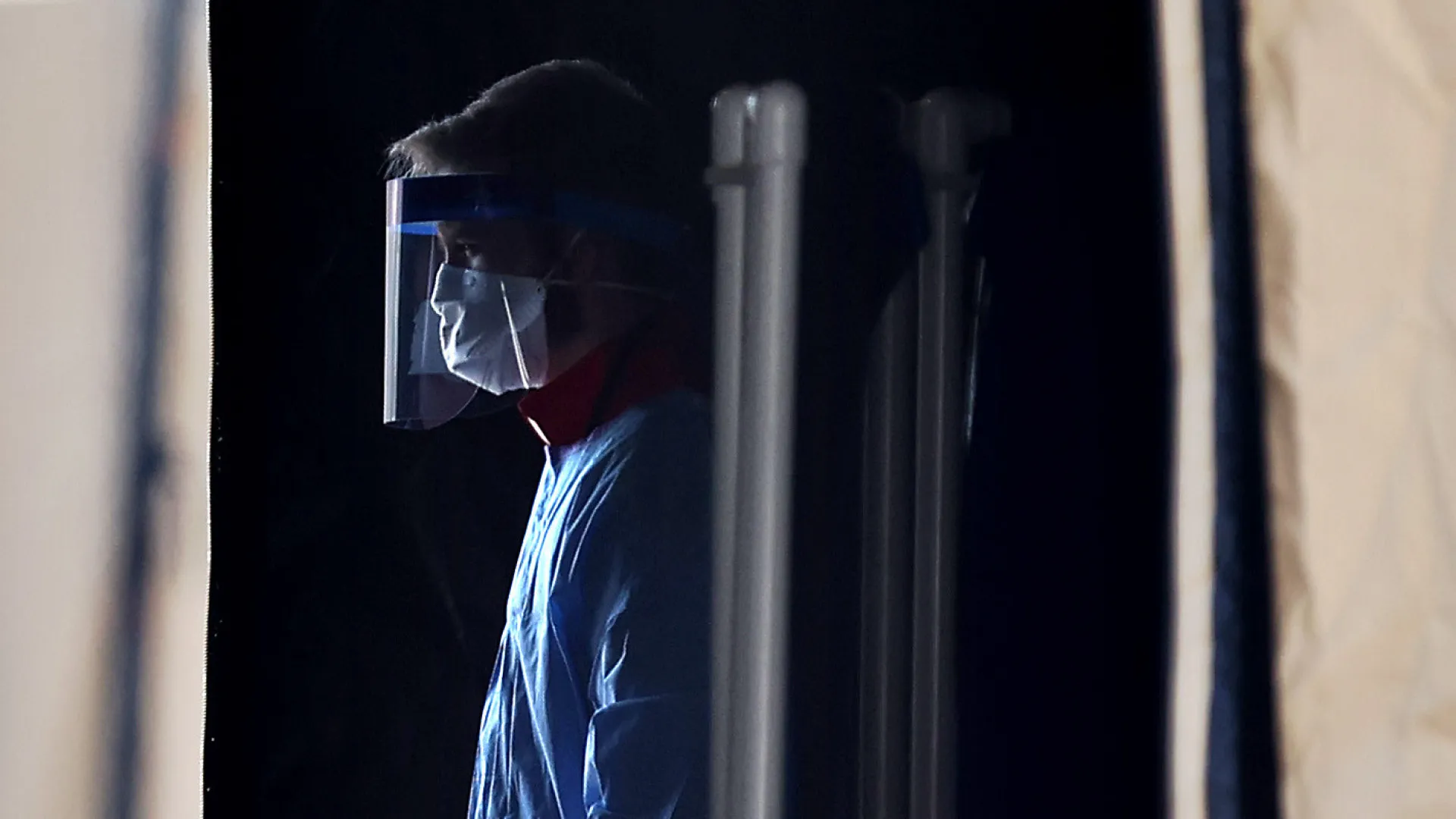
According to the PF investigation, the virus samples were discovered in unauthorized locations, with evidence of manipulation and inadequate disposal. This raises serious concerns about the handling and storage of infectious agents, which can have severe consequences for public health. The lack of proper biosecurity measures and inadequate record-keeping has created a breeding ground for potential outbreaks and pandemics.
Historical Context: Biosecurity Concerns in the Era of Globalization
The recent revelations are not an isolated incident. Biosecurity breaches have been a persistent concern in the era of globalization, where the rapid movement of people, goods, and information has increased the risk of infectious disease transmission. The SARS outbreak in 2003, for example, highlighted the need for robust biosecurity measures to prevent the spread of infectious agents. Since then, there have been numerous instances of biosecurity breaches, including the theft of virus samples and unauthorized access to high-containment laboratories.
Global Implications: The Need for Strengthened Biosecurity Measures
The PF investigation serves as a stark reminder of the importance of strengthened biosecurity measures. The free movement of virus samples between laboratories, often without proper authorization or supervision, poses a significant threat to public health. In an era where antimicrobial resistance is on the rise, and infectious diseases are increasingly spreading across borders, the need for robust biosecurity measures has never been more pressing. Governments, regulatory agencies, and laboratory professionals must work together to establish and enforce strict guidelines for the handling, storage, and transportation of infectious agents.
Conclusion: The Time for Action is Now
The PF investigation has exposed a gaping hole in Brazil’s biosecurity framework, but it is a wake-up call for the global community. The mishandling of virus samples is a ticking time bomb, waiting to unleash a pandemic or outbreak that could have catastrophic consequences. It is imperative that governments and laboratory professionals take concrete steps to strengthen biosecurity measures, establish robust record-keeping, and implement effective supervision to prevent similar breaches in the future. The time for action is now, before it’s too late.
**Keywords:** Biosecurity, Virus Samples, Laboratory-to-Laboratory Transfers, Public Health Risk, PF Investigation, Dengue, Zika, SARS-CoV-2, Global Health Security, Infectious Diseases, Pandemics, Outbreaks.