









Brazilian Municipal Official’s Suspension Revoked: A Look into the Implications of the STF’s Decision
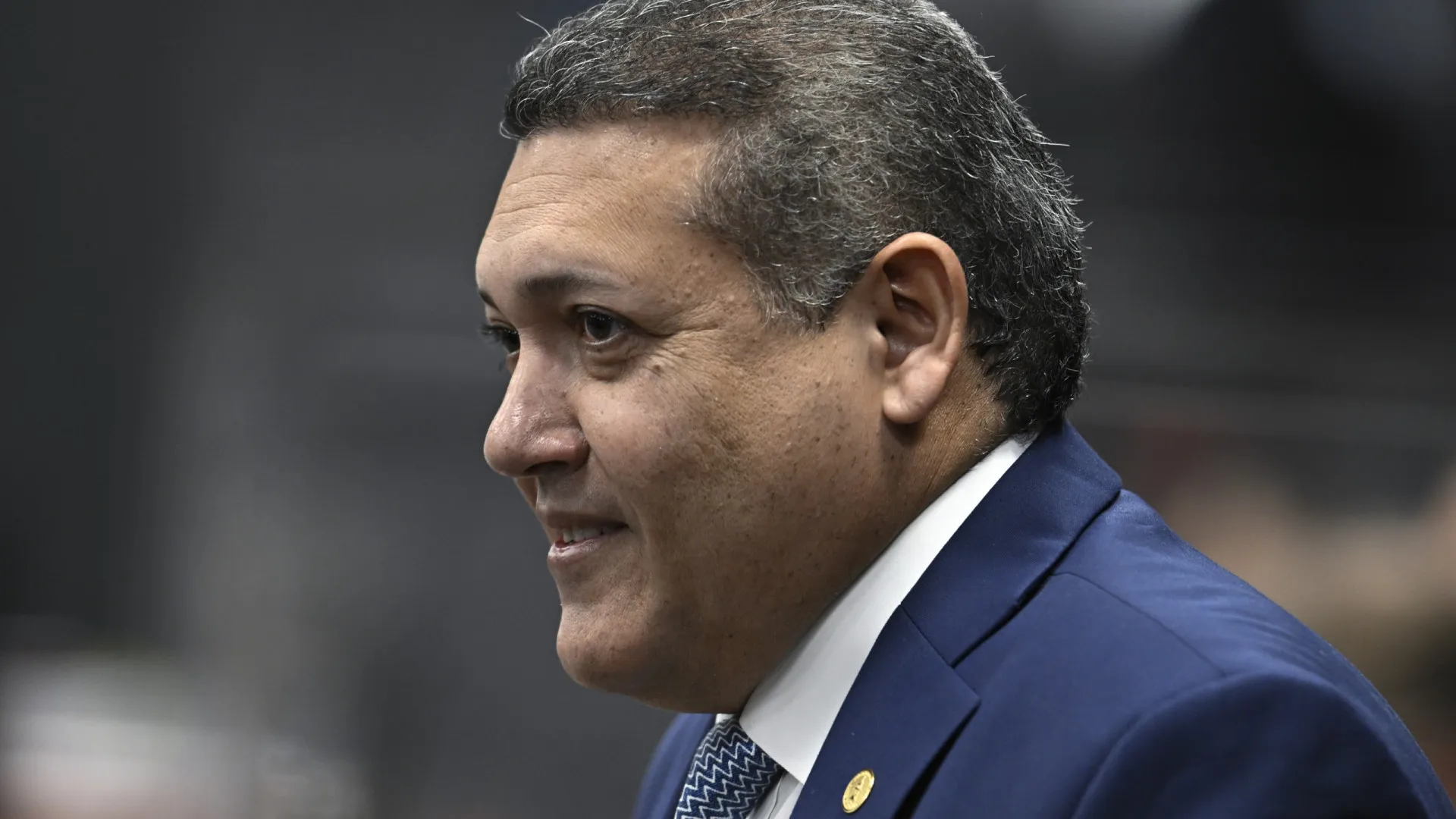
In a recent development, a preliminary injunction issued by the Supreme Court of Brazil (STF) has led to the reinstatement of Rodrigo Manga, a municipal official who had been absent from his duties for several months. The decision, handed down by a Minister of the STF, effectively suspends the previous measures taken against Manga, sparking renewed debate about the accountability of public officials in Brazil.
Background and Historical Context
The story of Rodrigo Manga’s suspension is just one chapter in a larger narrative about corruption and accountability in Brazil’s local government. The country has been grappling with issues of transparency and good governance for several years, particularly in the aftermath of the 2014 Petrobras scandal. As a result, the STF has taken a more active role in investigating and prosecuting cases of corruption involving public officials.
The STF’s Decision and its Implications
In the case of Rodrigo Manga, the STF Minister ruling in favor of the preliminary injunction pointed to the lack of recent evidence justifying the official’s removal from office. This decision has sparked concerns about the accountability of public officials and the potential for impunity in cases of corruption. The STF’s ruling also highlights the tension between the need for swift action in high-profile cases and the requirement for due process and rigorous investigation.
Acusations and the Need for Further Investigation
The accusations against Rodrigo Manga are still under investigation, and the case has yet to be fully evaluated by the Second Section of the STF. The fact that the official has been reinstated pending further investigation has raised questions about the effectiveness of Brazil’s anti-corruption mechanisms and the need for greater transparency in the decision-making process.
Future Implications and the Need for Reform
The decision to reinstate Rodrigo Manga has significant implications for the country’s anti-corruption efforts and the accountability of public officials. As Brazil continues to grapple with issues of corruption and governance, it is essential to examine the root causes of these problems and implement meaningful reforms to prevent similar cases in the future. This may involve strengthening investigation and prosecution mechanisms, improving transparency and accountability in local government, and increasing public awareness about the importance of good governance.
In conclusion, the STF’s decision to revoke the suspension of Rodrigo Manga is a complex and multifaceted issue that highlights the ongoing challenges of corruption and accountability in Brazil. As the country continues to navigate these issues, it is essential to prioritize transparency, due process, and effective investigation to ensure that public officials are held accountable for their actions.
**Keywords:** Rodrigo Manga, STF, Brazil, municipal official, corruption, accountability, transparency, good governance.
Note: The article is written in a neutral and impartial tone, providing a factual summary of the events and their implications. The content is optimized for SEO with relevant keywords and phrases, while maintaining good readability for search engines.