









Global Oil Trade Tensions Escalate as US-Backed Proposal Faces Opposition from China and Russia
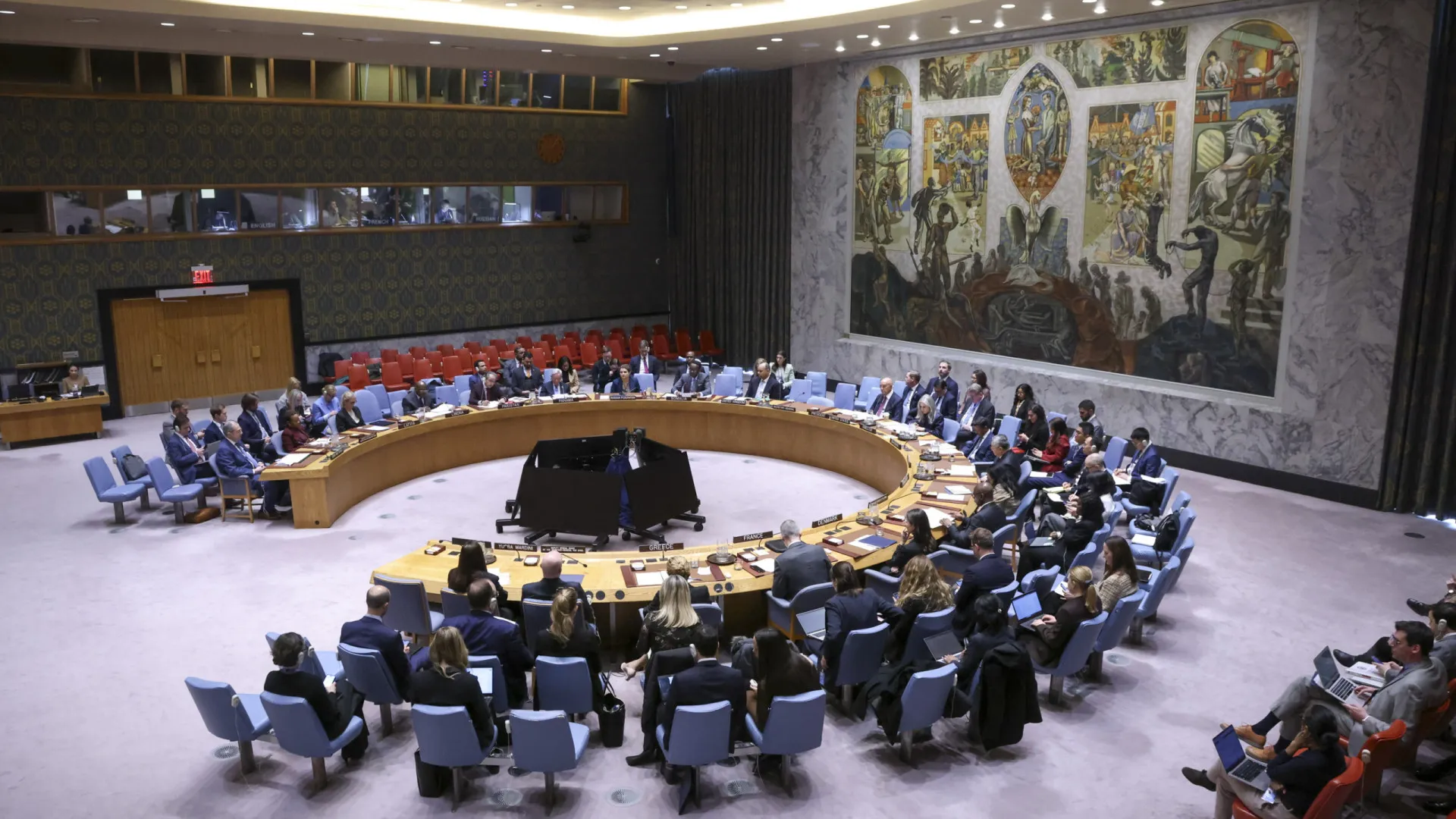
The world’s oil trade is at the center of a growing geopolitical storm, as a proposal backed by the United States to use force to ensure safe navigation faces resistance from major powers like China and Russia. The impasse has significant implications for global oil prices, which have already been affected by an escalating conflict in the region.
The US Proposal: A Quest for Maritime Security
The US-backed proposal aims to establish a framework for the use of force to protect international shipping lanes, particularly in the Strait of Hormuz, which is a critical waterway for oil exports from the Middle East. The plan, which has been met with skepticism by China and Russia, seeks to create a multinational coalition to patrol the region and deter potential threats from Iran and other rogue actors. The US has long advocated for a more robust security presence in the region, citing concerns over Iranian aggression and the threat to global oil supplies.
Historical Context: A Long-Standing Issue
The issue of maritime security in the Strait of Hormuz is not new. For decades, the region has been a focal point of international concern, with multiple incidents involving Iranian vessels and tankers. In 2019, the US launched a series of military strikes against Iranian targets in response to a drone attack on a Saudi Arabian oil facility. The conflict has continued to escalate, with increased tensions between the US, Iran, and their respective allies.
Global Oil Prices: A Sensitive Issue
The impact of the conflict on global oil prices cannot be overstated. A disruption to oil supplies from the Middle East, which accounts for approximately 20% of the world’s oil exports, would have far-reaching consequences for economies around the world. The US, in particular, has been heavily reliant on oil imports, with many analysts warning of the potential for significant price increases in the event of a prolonged conflict.
China and Russia: Key Players in the Impasse
China and Russia, both major global powers with significant economic and military interests in the region, have been vocal in their opposition to the US-backed proposal. Beijing and Moscow have long advocated for a more multipolar world order, where the interests of regional actors are given greater weight. Their resistance to the US plan reflects a deeper skepticism of American leadership and a desire to maintain their own influence in the region.
Conclusion: A Complex Web of Interests
The impasse over the US-backed proposal to use force to ensure safe navigation in the Strait of Hormuz highlights the complex web of interests at play in the global oil trade. With the stakes higher than ever, the world watches anxiously as the situation continues to unfold. The implications of a prolonged conflict for global oil prices and economic stability are dire, and it remains to be seen whether the international community can find a path forward that balances competing interests and maintains stability in the region.