








Global Responsibility in Health Crises: A Call to Action
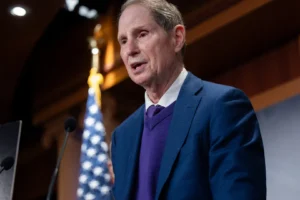
In the face of a health crisis, the responsibility to act is a shared one, transcending geographical and administrative boundaries. As the COVID-19 pandemic continues to unfold, it is essential to acknowledge the gravity of the situation and to recognize the need for collective action. Recently, Terena, a high-ranking official, visited a municipality to address the critical health situation, emphasizing the global nature of the responsibility.
A Shared Commitment to Public Health
The outbreak of infectious diseases has long been a pressing concern for humanity. From the Black Death in medieval Europe to the recent COVID-19 pandemic, the world has witnessed numerous health crises that have claimed millions of lives. In light of this, it is crucial to recognize the shared responsibility among governments, international organizations, and local authorities to prevent and respond to such crises.
The Role of Governments in Public Health
Governments play a pivotal role in maintaining public health, particularly during times of crisis. They are responsible for implementing policies and measures to prevent the spread of diseases, ensuring access to healthcare services, and providing necessary resources to combat outbreaks. In the context of the COVID-19 pandemic, governments worldwide have implemented various measures, including lockdowns, travel restrictions, and vaccination campaigns, to mitigate the impact of the disease.
International Collaboration and Global Health Governance
The global nature of health crises necessitates international collaboration and cooperation. The World Health Organization (WHO), established in 1948, is the leading international health authority, responsible for coordinating global health responses, setting standards for healthcare, and providing technical assistance to member states. In addition, international agreements, such as the International Health Regulations (IHR), provide a framework for countries to share information and coordinate responses to health crises.
A Collective Responsibility to Act
In the words of Terena, “When it comes to health, lives, the responsibility is global. We are not here to say that the responsibility was of the municipality, the state government, or the federal government. We are here to recognize this critical situation. Therefore, we do not have a negationist position and will face it.” This call to action serves as a reminder that the global community must come together to address health crises, sharing resources, expertise, and best practices to protect human lives and prevent the spread of diseases.
Conclusion
The COVID-19 pandemic has highlighted the need for a collective response to health crises. As the world continues to grapple with this pandemic, it is essential to recognize the shared responsibility among governments, international organizations, and local authorities to prevent and respond to such crises. By working together, we can mitigate the impact of health crises, protect human lives, and ensure the well-being of communities worldwide.
**Keywords:** global health, public health, COVID-19 pandemic, international collaboration, global health governance, shared responsibility