










Mental Health Crisis Among Minors in São Paulo: Unpacking the Complexities
A recent surge in mental health admissions and treatments among children and adolescents in São Paulo, Brazil, has sparked concern among experts and policymakers. Data reveals a striking increase in the number of minors seeking help for mental health issues, with specialists pointing to the COVID-19 pandemic, societal changes, and inadequate public healthcare infrastructure as key contributing factors.
The Pandemic’s Lingering Impact
The COVID-19 pandemic, which ravaged the globe from 2020 onwards, had a profound impact on the mental health of children and adolescents. Lockdowns, social distancing measures, and the loss of loved ones took a toll on their emotional well-being, exacerbating existing vulnerabilities. According to a study published in the Journal of Adolescent Health, the pandemic led to a significant increase in symptoms of anxiety and depression among minors worldwide.
In São Paulo, where the pandemic was particularly severe, the situation was further complicated by the city’s dense population and inadequate public healthcare infrastructure. Many families struggled to access mental health services, leading to a backlog of untreated cases. “The pandemic highlighted the need for a more robust and responsive mental health system in São Paulo,” said Dr. Maria Luiza, a leading expert on child and adolescent psychiatry.
Societal Changes and the Rise of Mental Health Concerns
Societal changes, including the increasing pressure to perform academically and the rise of social media, have also contributed to the growing mental health crisis among minors. The emphasis on academic achievement can lead to stress and anxiety, particularly among students from low-income backgrounds who face significant obstacles in accessing quality education.
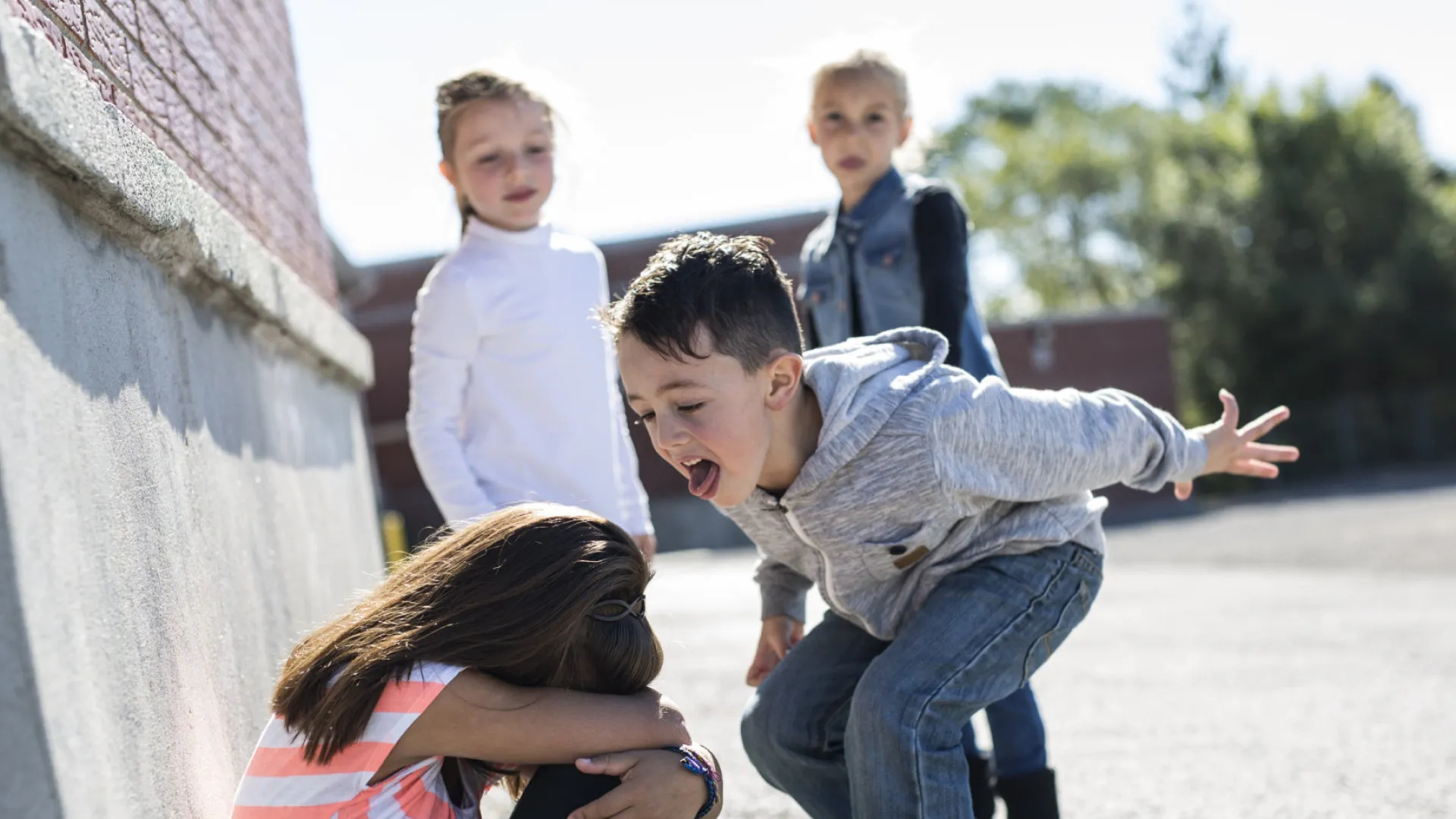
Social media, meanwhile, has created a culture of comparison and perfectionism, where young people feel pressure to present a curated online persona. Cyberbullying, online harassment, and the spread of misinformation can all take a toll on mental health, exacerbating existing vulnerabilities. As Dr. Carlos, a clinical psychologist, noted, “Social media has become a major contributor to the mental health concerns among children and adolescents. It’s essential that we teach them how to navigate these platforms safely and responsibly.”
Addressing the Mental Health Crisis
To address the mental health crisis among minors in São Paulo, experts recommend a multi-faceted approach. This includes:
1. **Strengthening public healthcare infrastructure**: Investing in mental health services, including counseling, therapy, and medication, is essential for addressing the backlog of untreated cases.
2. **Implementing prevention programs**: Early intervention and prevention programs, such as school-based counseling and mental health education, can help identify and support minors at risk.
3. **Promoting healthy online behaviors**: Educating children and adolescents about online safety, digital citizenship, and the risks associated with social media can help mitigate the negative effects of these platforms.
4. **Fostering community engagement**: Community-based initiatives, such as mental health support groups and peer counseling programs, can help build resilience and provide a safety net for vulnerable young people.
By acknowledging the complexities of the mental health crisis among minors in São Paulo and working together to address its root causes, we can create a more supportive and inclusive environment for all young people. As Dr. Maria Luiza emphasized, “It’s time for us to take a comprehensive and compassionate approach to mental health, one that prioritizes the needs of children and adolescents above all else.”