







Brazil’s President Faces Uncertainty Over Future Election Bid
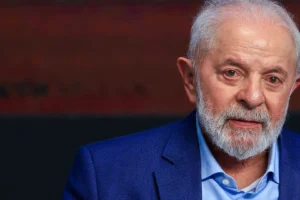
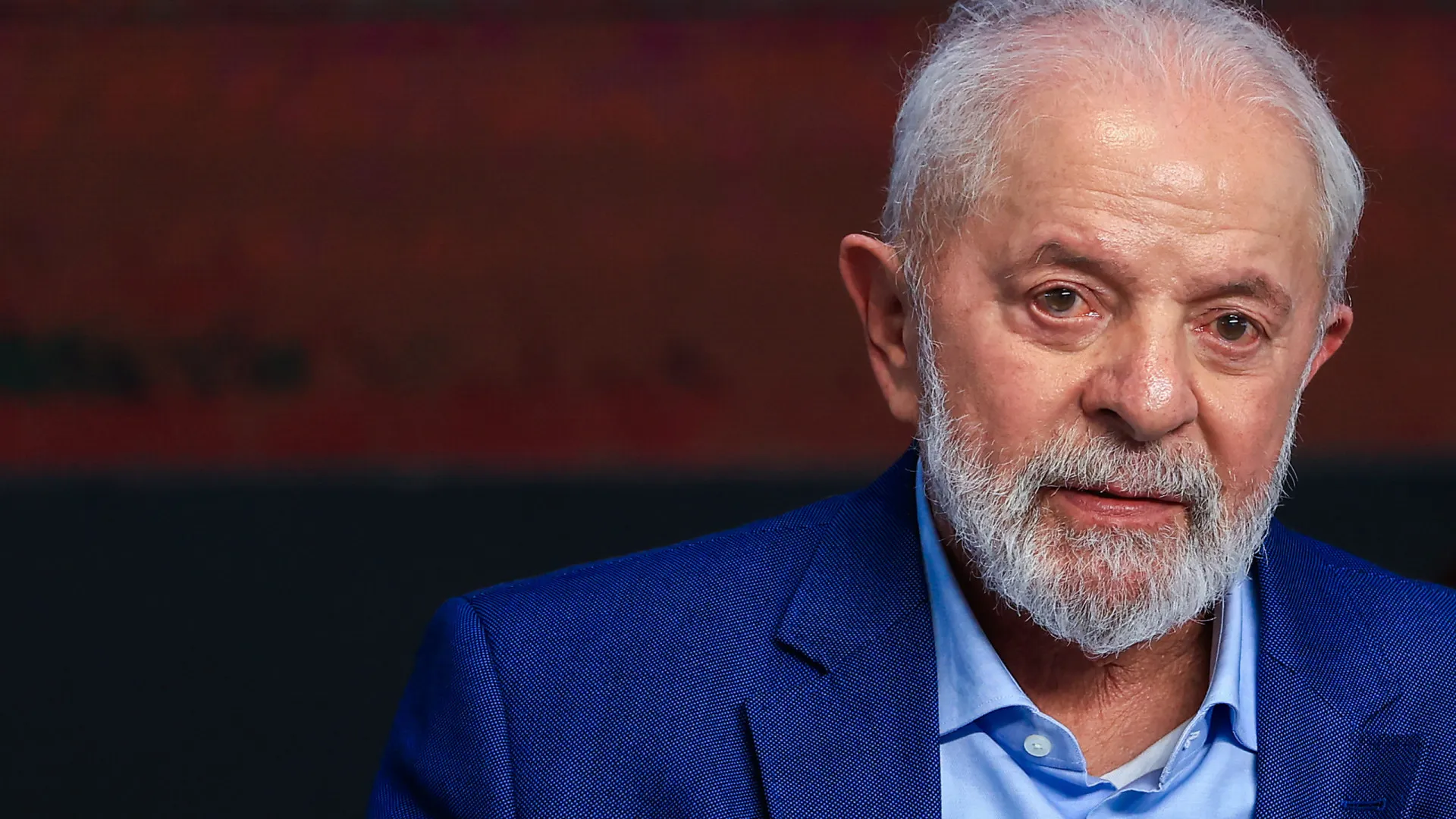
In a surprising twist, Brazil’s President has expressed intentions to potentially seek re-election in the future, despite initially vowing not to contest another term in 2022. This sudden shift in stance has raised questions about the President’s commitment to the original promise and the implications for the country’s democratic process.
A Prominent Promise Made
During the 2022 presidential election campaign, the President ran on a platform that explicitly stated he would not seek re-election. This stance was seen as a significant aspect of his campaign, as it appealed to voters who were looking for a change in leadership. However, following his inauguration, the President began to hint at the possibility of reconsidering his decision.
Health Concerns and Future Ambitions
In public statements, the President has cited his health as a key factor in determining whether he will ultimately decide to run for re-election. This assertion has sparked debate among analysts and commentators, who argue that the President’s health status is a private matter and should not be used as a public justification for seeking re-election. Furthermore, some critics have suggested that the President’s initial promise was made with the intention of securing a first term, only to be later reconsidered when the benefits of re-election became more apparent.
Historical Context and Precedents
The President’s decision to potentially seek re-election is not without precedent in Brazilian politics. The country’s history has seen numerous instances of politicians reiterating their commitment to a single term, only to later change their minds. This trend highlights the complexities of Brazil’s democratic system and the challenges faced by politicians in navigating the country’s strong presidential tradition.
Implications for the 2026 Election
The President’s potential re-election bid has significant implications for the 2026 election cycle. If the President does decide to seek re-election, it will likely lead to a crowded field of candidates, as various parties and individuals may seek to capitalize on the President’s incumbency. Conversely, if the President decides not to run, it could create an opportunity for new and innovative candidates to emerge and challenge the status quo.
A Nation in Transition
Brazil’s political landscape is undergoing significant changes, with the country’s economy, social structures, and environmental policies facing unprecedented challenges. As the nation navigates this complex terrain, the President’s decision to potentially seek re-election adds a new layer of uncertainty to the country’s future. Regardless of the outcome, one thing is clear: Brazil’s democratic process will continue to evolve, and the country’s leaders will be called upon to navigate the complexities of a rapidly changing world.
Conclusion
The President’s potential re-election bid has sparked a nation-wide debate about the role of politicians in Brazilian society and the implications of their actions for the country’s democratic process. As the country prepares for the 2026 election cycle, one thing is certain: Brazil’s future will be shaped by the decisions of its leaders, and the nation will continue to evolve in response to the challenges of an increasingly complex world.