





Pope Leo XIV Faces Scrutiny from US President Trump: A Tense Exchange on International Politics
The recent public remarks made by US President Donald Trump have sparked a heated debate on the role of the Catholic Church in international politics. In a strongly worded criticism, Trump questioned the stance of Pope Leo XIV on several global issues, including the conflicts in Iran, Venezuela, and global negotiations. This exchange highlights the complex dynamics between the Catholic Church and the US government, with both parties holding differing views on various matters.
A Historical Context: The Church’s Role in International Politics
The Catholic Church has long been a significant player in international politics, with its teachings and policies influencing global events. Throughout history, popes have taken stances on various issues, often aligning with the values of their faith. However, the Church’s role has also been subject to controversy, with some critics accusing it of meddling in secular affairs. The current tensions between the Vatican and the US government are not unprecedented, as previous administrations have also faced disagreements with the Church on issues such as abortion and same-sex marriage.
The Trump Administration’s Criticism: A Shift in US Foreign Policy?
President Trump’s criticism of Pope Leo XIV marks a significant shift in US foreign policy, with the administration questioning the Church’s role in international affairs. Trump’s comments suggest that the US government views the Church as a potential obstacle to its foreign policy goals, particularly in the Middle East and Latin America. This stance is reflective of a broader trend in US politics, where the government has increasingly sought to assert its dominance in international relations.
Pope Leo XIV’s Position: A Focus on Religious Diplomacy
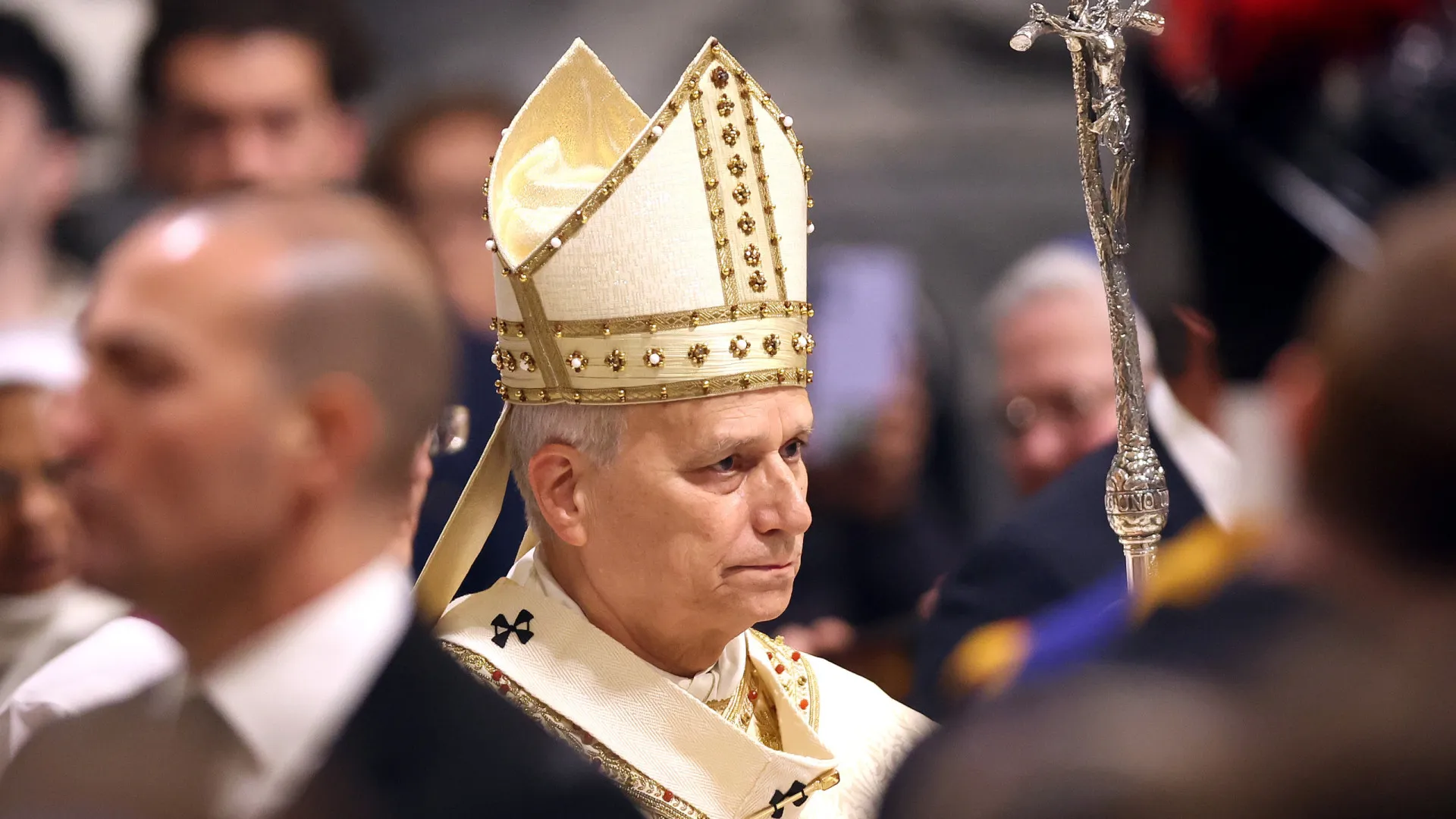
In response to Trump’s criticism, Pope Leo XIV has emphasized the Church’s commitment to its core values, including peace, justice, and human dignity. The pontiff has maintained that the Church’s role is to serve as a moral compass, guiding individuals and nations towards a more just and compassionate world. While the Church has taken stances on various international issues, its primary focus remains on promoting peace and understanding through diplomatic efforts.
A Tense Future Ahead: Implications for International Relations
The exchange between Trump and Pope Leo XIV has significant implications for international relations, highlighting the complex dynamics between the Catholic Church and the US government. As the Church continues to assert its influence on global issues, the US government may face increasing pressure to adapt its foreign policy to accommodate the Church’s views. Conversely, the Church may find itself facing criticism from the US government for its perceived role in international politics. As the world grapples with the consequences of this tense exchange, one thing is clear: the role of the Catholic Church in international politics will continue to be a topic of debate for years to come.
Conclusion: A Reflection of a Broader Global Trend
The public exchange between Trump and Pope Leo XIV serves as a reflection of a broader global trend, where the lines between politics and religion are increasingly blurred. As the world becomes increasingly interconnected, the Catholic Church’s influence on international politics is likely to continue growing. As nations and governments navigate this complex landscape, it is essential to consider the Church’s role and its implications for international relations. Ultimately, the future of global politics will depend on the ability of nations to balance their interests with the Church’s vision for a more just and compassionate world.