










Brazilian Judiciary Entangled in Social Media Satire Controversy
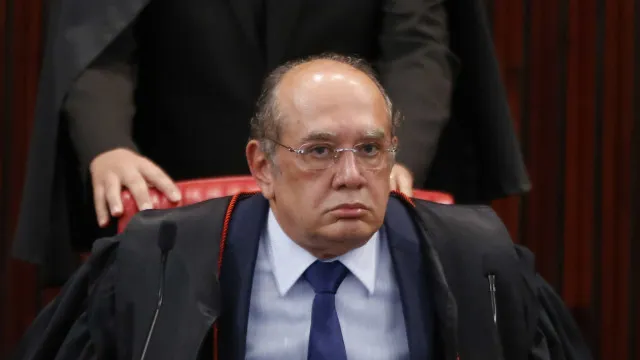
In a recent development, the Minister of the Supreme Federal Court (STF) in Brazil, requesting an investigation against a former governor, has sparked a heated public debate. The controversy revolves around a satirical video posted on social media, which has led to a clash between the Minister and the former governor.
The Satirical Video: A Catalyst for Controversy
The satirical video, which appears to be a humorous critique of the former governor’s politics, has been at the center of the controversy. The video, shared on social media platforms, seems to have been created by an individual or group with a critical perspective on the former governor’s tenure in office. However, the video has been misinterpreted by the Minister as a potentially defamatory statement, leading to a request for an investigation.
Brazilian Judicial System’s Response
The Minister’s request for an investigation has been met with resistance from the Public Prosecutor’s Office (PGR), which has asked for time to analyze the situation before responding. This delay has intensified the public debate, with both the Minister and the former governor engaging in a war of words, exchanging criticisms, and accusing each other of misconduct.
Historical Context: Freedom of Speech in Brazil
This controversy has sparked a broader discussion about freedom of speech in Brazil. The country’s constitution guarantees the right to free expression, including satire and criticism. However, the judiciary’s response to the satirical video has raised concerns about the limits of free speech and the potential for censorship.
Future Implications: Balancing Free Speech and Defamation
The outcome of this case will set a precedent for the Brazilian judiciary’s approach to satire and free speech. The STF’s decision will have significant implications for the country’s democratic institutions, as it will determine the extent to which public figures can be held accountable for satire and criticism. The case also highlights the need for a nuanced understanding of the intersection of free speech and defamation, particularly in the digital age.
Conclusion: A Delicate Balance
The controversy surrounding the satirical video in Brazil serves as a reminder of the delicate balance between free speech and defamation. As the case unfolds, it is essential to consider the broader implications for Brazil’s democratic institutions and the role of satire in holding public figures accountable. Ultimately, the outcome of this case will shape the country’s approach to freedom of speech and set a precedent for future cases involving satire and criticism.