









Brazil’s Supreme Court Embroiled in Public Dispute Over Satirical Video
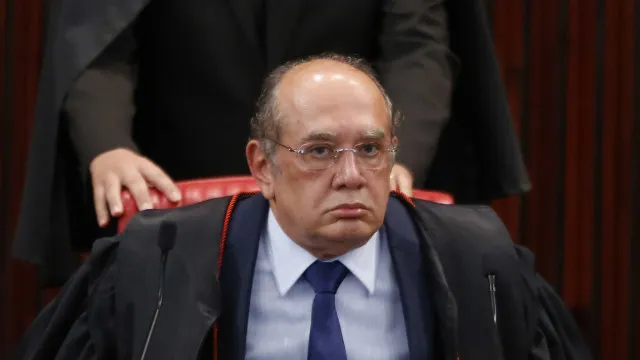
In a recent development that has sparked intense public debate, the Brazilian Minister of the Supreme Court (STF) has requested an investigation into a satirical video posted by a former governor on social media. The video, which has been widely shared and criticized, has become a focal point in a contentious exchange between the two figures, with allegations of bias and misconduct being traded.
Background and Context
The satirical video, which pokes fun at the former governor and his administration, has been viewed by millions of Brazilians. The video’s content, while humorous, has been deemed unacceptable by some, who argue that it is an affront to the dignity of public office. The former governor, in turn, has claimed that the video is a legitimate form of satire, protected by freedom of expression.
Public Backlash and Investigation
As the public backlash against the video continues to intensify, the Brazilian Minister of the STF has requested an investigation into the former governor’s actions. The investigation, which will be conducted in conjunction with the Public Prosecutor’s Office (PGR), will examine allegations of misconduct and potential breaches of public office ethics.
Relevance of the Case
This case has significant implications for Brazil’s democratic institutions and the role of satire in public discourse. The Brazilian Constitution guarantees freedom of expression, including the right to satire and criticism of public figures. However, the line between satire and defamation can be nuanced, and this case highlights the challenges of balancing these competing interests.
Historical Context
Brazil has a complex history when it comes to satire and public figures. In the past, satirical publications and performances have played a significant role in holding those in power accountable. However, this case also reflects a broader trend of increasing polarization and hostility in Brazilian politics, with public figures on both sides engaging in personal attacks and inflammatory rhetoric.
Future Implications
The outcome of this investigation and the subsequent public debate will have significant implications for Brazil’s democratic institutions and the role of satire in public discourse. Will the courts uphold the former governor’s right to satire, or will this case set a precedent for stricter regulations on public criticism? As Brazil continues to navigate its complex and often contentious politics, this case serves as a reminder of the delicate balance between free expression and public accountability.
Conclusion
The public dispute between the Brazilian Minister of the STF and the former governor has highlighted the complexities of satire and public figures in Brazil. As the investigation unfolds and the public debate continues, one thing is clear: the future of Brazil’s democratic institutions and public discourse hangs in the balance.