






Celebrating the Rich Cultural Heritage of the Luso-Brazilian Connection
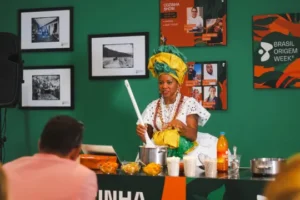
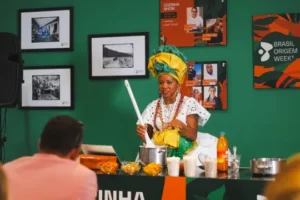
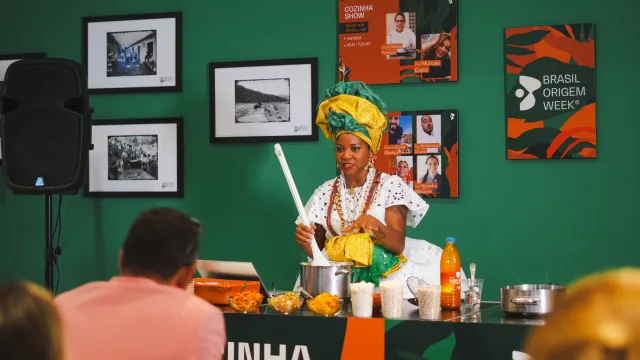
From May 1st to May 3rd, the historic Palácio da Bolsa in Porto, Portugal, will host an intriguing event that brings together renowned chefs, artists, and entrepreneurs from both Brazil and Portugal. This cultural extravaganza, which promises to be a true celebration of the enduring bond between the two nations, will feature a diverse range of activities, including gastronomic tastings, thought-provoking debates, and captivating cultural performances.
A Legacy of Shared History and Culture
The Luso-Brazilian connection has a rich and storied past, dating back to the early 16th century when Portuguese explorers first set foot in Brazil. Over the centuries, the Portuguese established a significant presence in Brazil, leaving behind a lasting legacy of language, customs, and traditions that continue to shape the country’s identity today. This cultural affinity is reflected in the numerous historical and architectural landmarks that dot the Brazilian landscape, a testament to the enduring influence of Portuguese rule.
A Celebration of Gastronomy and Artistic Expression
The upcoming event, which promises to be a true culinary and cultural extravaganza, will showcase the best of Brazilian and Portuguese cuisine, with renowned chefs from both countries coming together to create a truly unique dining experience. The event will also feature a diverse range of artistic performances, from music and dance to visual arts and literature, providing a platform for both established and emerging artists to showcase their talents.
A Platform for Collaboration and Innovation
Beyond the entertainment value of the event, the gathering also provides a unique opportunity for entrepreneurs and business leaders from both countries to come together and explore new avenues for collaboration and innovation. The event’s focus on gastronomy, art, and culture provides a fertile ground for creative exchange and partnership, highlighting the potential for cross-cultural collaboration in areas such as sustainable tourism, culinary innovation, and cultural preservation.
Conclusion
The upcoming Luso-Brazilian cultural event promises to be a vibrant celebration of the rich cultural heritage that unites Brazil and Portugal. By bringing together talented individuals from both countries, the event provides a unique platform for creative expression, cultural exchange, and business collaboration. As the world becomes increasingly interconnected, events like this serve as a powerful reminder of the importance of cultural understanding and exchange in building stronger, more resilient global relationships.