






Fairground Accident Highlights Safety Concerns
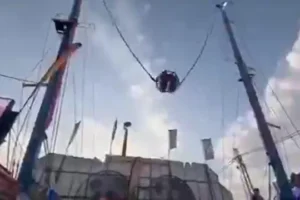
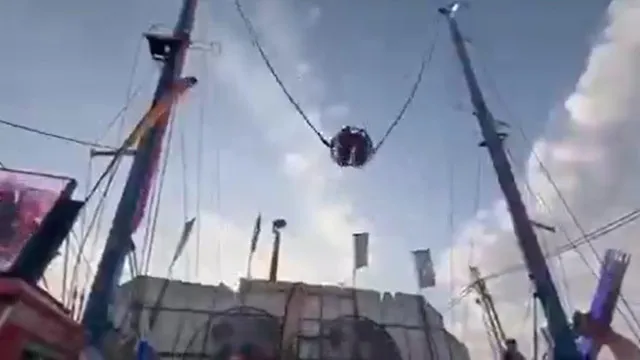
The recent incident at the Feria de Sevilla in Spain has brought attention to safety concerns in the amusement park industry. On a Friday night, a cord snapped on the ‘Steel Max’ attraction, leaving four people, including two children, with minor injuries. The victims were temporarily suspended in mid-air, although fortunate enough to escape with only light injuries.
The Steel Max Incident: A Wake-Up Call for Amusement Parks
The Steel Max incident is not an isolated occurrence. In recent years, there have been several high-profile accidents involving roller coasters and other thrill rides. In 2016, a roller coaster in Ohio, USA, caught fire, injuring several people. Similarly, in 2018, a roller coaster in Japan suffered a mechanical failure, resulting in the deaths of two people. These incidents highlight the need for amusement parks to prioritize safety and invest in regular maintenance and inspections.
The Importance of Regular Maintenance and Inspections
Amusement parks rely on complex machinery to provide thrilling experiences for visitors. However, this machinery is not foolproof, and regular maintenance and inspections are crucial to prevent accidents. The International Association of Amusement Parks and Attractions (IAAPA) recommends that parks conduct regular safety inspections, including daily walk-throughs, weekly inspections, and annual thorough inspections. By prioritizing safety and adhering to these guidelines, amusement parks can minimize the risk of accidents and ensure a safe experience for visitors.
The Role of Regulations in Ensuring Safety
Regulations play a vital role in ensuring the safety of visitors at amusement parks. In the European Union, the European Commission has established strict guidelines for amusement park safety, including requirements for regular inspections, maintenance, and emergency procedures. Similarly, in the United States, the Consumer Product Safety Commission (CPSC) sets standards for amusement park safety, including requirements for ride design, operation, and maintenance. By enforcing these regulations, governments can help prevent accidents and ensure that visitors have a safe and enjoyable experience at amusement parks.
Conclusion: A Commitment to Safety
The Steel Max incident serves as a reminder of the importance of safety in the amusement park industry. Amusement parks have a responsibility to prioritize visitor safety and invest in regular maintenance and inspections. By adhering to regulations and guidelines, parks can minimize the risk of accidents and ensure a safe experience for visitors. As the industry continues to evolve, it is essential that amusement parks prioritize safety and commit to providing a secure and enjoyable experience for all visitors.