








Brazil’s Presidential Election: A Call for Cooperation and Understanding
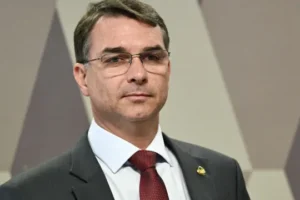
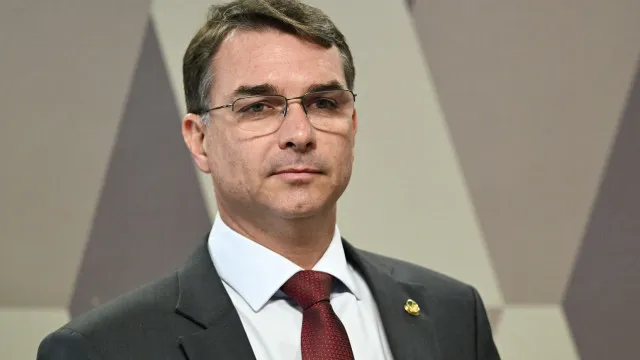
As Brazil prepares for its highly contested presidential election, the country’s politicians are taking to social media to appeal for unity and cooperation. Recent comments by Senator Flávio Bolsonaro, the eldest son of President Jair Bolsonaro, reflect the growing need for civility and mutual respect in the face of intense competition.
In a heartfelt post on social media on Friday, April 24, Senator Flávio Bolsonaro extended an olive branch to his fellow politicians, asking them to refrain from “pressuring” or “defending” him or his father. He emphasized that each individual has their own unique way of contributing to the electoral process, urging his colleagues to respect their differences and work together towards a common goal. This plea for cooperation is a timely reminder of the importance of civility in politics, particularly in the midst of a heated election campaign.
The Historical Context: Polarization in Brazilian Politics
Brazil’s presidential election has historically been a highly contested and polarizing event. The country’s politicians have long been known for their strong personalities and sharp tongues, often resorting to vitriolic rhetoric and personal attacks to gain an edge over their opponents. However, this approach has often backfired, alienating voters and contributing to a sense of disillusionment with the political process.
In recent years, Brazil has witnessed a surge in polarization, with the rise of social media and the increasing influence of far-right and far-left ideologies. This has led to a breakdown in civil discourse, with politicians and their supporters engaging in a war of words that often descends into personal attacks and insults. Senator Flávio Bolsonaro’s call for cooperation is, therefore, a welcome respite from the toxic atmosphere that has characterized much of the campaign so far.
The Way Forward: A Focus on Policy and Substance
As Brazil’s politicians continue to vie for the presidency, it is essential that they focus on policy and substance rather than personal attacks and inflammatory rhetoric. By engaging in civil discourse and respecting their differences, they can build trust with voters and demonstrate their commitment to the democratic process.
Senator Flávio Bolsonaro’s plea for cooperation is a step in the right direction, but it remains to be seen whether his fellow politicians will take him up on his offer. As Brazil’s presidential election heats up, one thing is clear: the country needs a new era of civility and cooperation in politics. By putting aside their differences and focusing on the issues that matter most to voters, Brazil’s politicians can work towards a brighter future for the country and its people.