









Israel-Lebanon Border Tensions Escalate Amid Ongoing Conflict
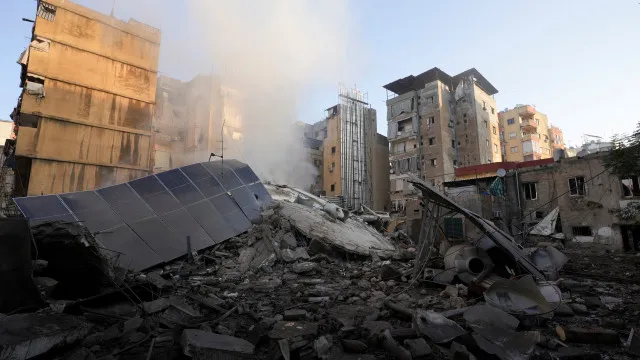
The fragile truce between Israel and Lebanon, which came into effect on April 17, has been put to the test as violence continues to escalate along the shared border. Residents in areas near the frontier have been warned of the escalating situation, while the Israeli military has confirmed that a soldier was killed in combat.
The latest developments in the longstanding conflict highlight the deep-seated tensions between the two nations. The Israel-Lebanon conflict has its roots in the 1948 Arab-Israeli War, when Lebanon was invaded by Israel. Since then, the border has been the site of numerous skirmishes and full-blown wars, with the most recent conflict erupting in 2006.
The current truce, brokered by international mediators, aimed to reduce tensions and allow for the exchange of prisoners and the return of the remains of Israeli soldiers killed during the 2006 war. However, despite the truce, both sides have continued to exchange fire, with the Israeli military accusing Lebanon’s Hezbollah militia of carrying out rocket attacks on Israeli territory.
A History of Conflict
The Israel-Lebanon conflict is complex and multifaceted, with various actors and interests at play. The Israeli military has accused Hezbollah of using the border region as a launching pad for attacks on Israeli territory, while the Lebanese government has argued that it has limited control over the activities of the militant group.
The conflict has also been fueled by the question of Israeli settlements in the disputed Shebaa Farms region, which Lebanon claims as its own. The area has been occupied by Israel since 1967 and is considered a bargaining chip in any future peace negotiations.
The Human Cost
The ongoing conflict has taken a heavy toll on civilians on both sides of the border. The Israeli military has been accused of using excessive force in response to rocket attacks, resulting in the deaths and injuries of Lebanese civilians. Hezbollah, meanwhile, has been accused of using human shields and targeting Israeli civilians.
The situation remains volatile, with both sides trading accusations and neither side willing to back down. The international community has called for restraint and a return to the negotiating table, but a lasting solution to the conflict remains elusive.
A Fragile Peace
The truce between Israel and Lebanon is a fragile thing, and the current escalation in violence threatens to undermine the hard-won agreement. As the situation continues to unfold, it is clear that a lasting peace will require a fundamental shift in the dynamics between the two nations.
Until then, the people living along the border will remain trapped in a cycle of violence and fear, with the prospect of a lasting resolution hanging precariously in the balance.