









Winter’s Legacy: Coping with the Aftermath of Heavy Snowfall
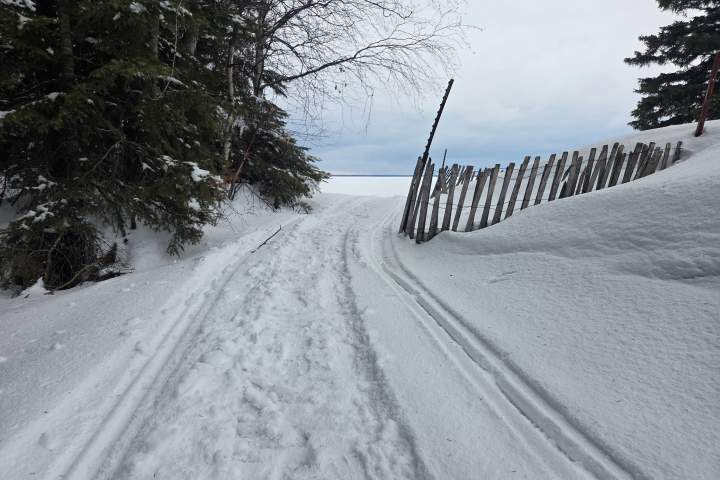
As the last wisps of winter’s chill begin to dissipate, residents of regions affected by recent heavy snowfall are holding their breaths in anticipation of the impending May Long weekend. While the prospect of warmer temperatures and longer days is welcome, the lingering threat of localized flooding serves as a poignant reminder of the harsh realities of winter’s legacy. In an effort to mitigate potential damage, emergency crews are working tirelessly to prepare for the impending deluge.
Preparing for the Worst
The sheer volume of snow that has accumulated in various regions has raised concerns about the potential for severe flooding. Crews are scrambling to clear drains and culverts, ensuring that water can flow freely and prevent the formation of ice jams. This proactive approach aims to preempt the worst-case scenario, where heavy rainfall and melting snow converge to unleash a torrent of water on already saturated landscapes. According to historical records, springtime flooding is a recurring phenomenon in these regions, with devastating consequences for local communities.
Historical Context: The 2013 Alberta Flood
The 2013 Alberta flood, one of the most catastrophic events in the region’s history, serves as a stark reminder of the importance of preparedness. The deluge, which affected thousands of people and resulted in billions of dollars in damages, highlighted the need for effective emergency response and mitigation strategies. In the aftermath of the disaster, authorities implemented various measures to improve flood protection infrastructure, including the creation of the Alberta Emergency Management Agency. These efforts have since been replicated in other regions, demonstrating a growing recognition of the importance of proactive planning in the face of natural disasters.
The Human Factor: Resilience and Community
As the snow melts and the threat of flooding looms, local residents are rallying together to support one another. Community groups, volunteer organizations, and emergency services are working hand-in-hand to provide critical assistance and resources to those affected. This outpouring of support underscores the resilience and solidarity of communities in the face of adversity. By sharing knowledge, expertise, and resources, residents are able to mitigate the impact of natural disasters and rebuild their lives more effectively.
Conclusion: A Cautionary Tale
The aftermath of heavy snowfall serves as a poignant reminder of the delicate balance between nature and human endeavor. As we navigate the complexities of climate change, it is essential to acknowledge the importance of proactive planning and community resilience. By learning from past experiences and working together, we can build more robust and adaptable systems, better equipped to withstand the whims of Mother Nature. As the snow melts and the May Long weekend approaches, residents of affected regions hold their breaths, hopeful that the worst of winter’s legacy will soon be behind them.
Source: globalnews.ca