









Addressing the Opioid Crisis: Saskatoon University Students Take Naloxone Training
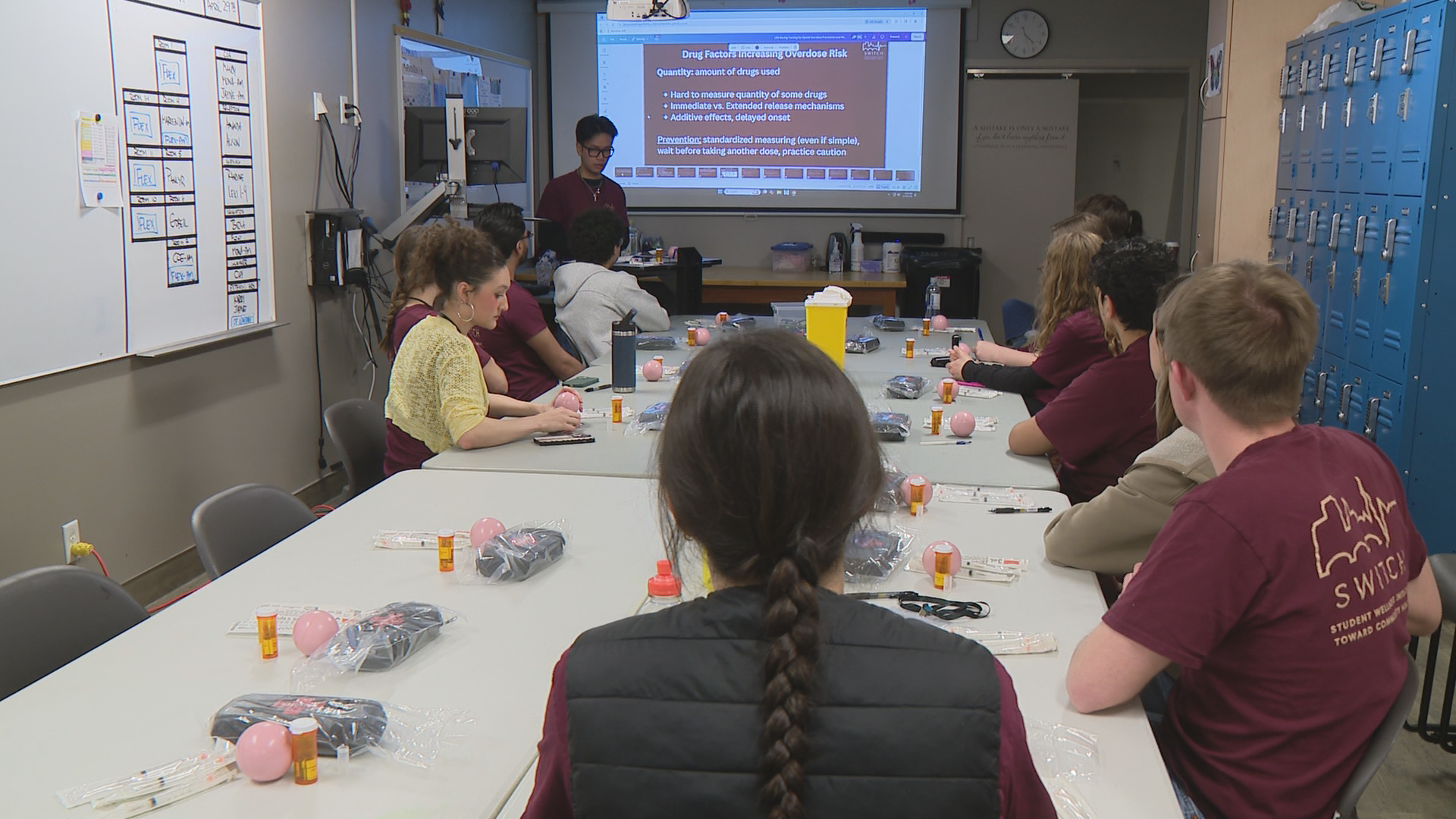
The closure of Prairie Harm Reduction, a vital harm reduction service in Saskatoon, has left a concerning gap in addressing the city’s opioid epidemic. In response, dozens of university students are receiving training on how to administer naloxone, a lifesaving medication that can reverse opioid overdoses.
The Rising Tide of Opioid-Related Overdoses
Saskatoon has been grappling with an escalating opioid crisis, with a significant increase in overdose cases reported in recent years. The city’s opioid-related overdose emergency services have seen a substantial surge in calls, particularly following the closure of Prairie Harm Reduction. This harm reduction service, which provided essential support and resources to individuals struggling with addiction, was a critical lifeline for many.
The Importance of Naloxone Training
Naloxone is a powerful opioid receptor antagonist that can rapidly reverse the effects of an overdose, restoring breathing and circulation. The medication has been shown to be highly effective in preventing opioid-related deaths. By training university students in naloxone administration, organizers aim to equip them with the knowledge and skills necessary to respond to emergencies effectively.
A Community Response to a Public Health Crisis
The initiative to train university students in naloxone administration is a testament to the community’s commitment to addressing the opioid crisis. By engaging students in this effort, organizers hope to create a network of individuals who can provide support and assistance to those at risk. This approach not only empowers students to make a positive impact but also highlights the importance of community involvement in addressing public health issues.
Historical Context and Future Implications
The opioid crisis in Saskatoon is part of a broader national concern. Across Canada, communities have been grappling with the devastating consequences of opioid addiction. The closure of Prairie Harm Reduction has raised questions about the role of harm reduction services in addressing addiction. As the crisis continues to unfold, it is essential that communities, policymakers, and service providers work together to develop effective solutions.
Conclusion
The training of university students in naloxone administration is a vital step towards addressing the opioid crisis in Saskatoon. By equipping students with the knowledge and skills necessary to respond to emergencies, organizers aim to create a network of support and assistance for those at risk. As the crisis continues to evolve, it is crucial that communities remain vigilant and proactive in addressing the needs of individuals struggling with addiction.
**Keywords:** opioid crisis, naloxone training, harm reduction, Saskatoon, Prairie Harm Reduction, overdose emergency services, community response, public health, addiction support.
Sources:
For more information on the opioid crisis in Saskatoon, please refer to the following sources:
* Saskatchewan Health Authority (SHA)
* Saskatoon Health Region (SHR)
* Canadian Centre on Substance Use and Addiction (CCSA)
* Harm Reduction Coalition (HRC)
Note: The sources provided are reputable organizations and government agencies that offer accurate and up-to-date information on the opioid crisis and harm reduction services.
Source: globalnews.ca