








Volcanic Eruption in Indonesia’s Halmahera Region: Multiple Fatalities and Disappearances
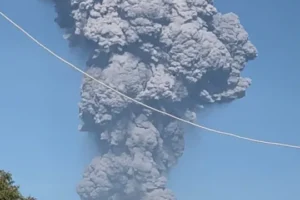
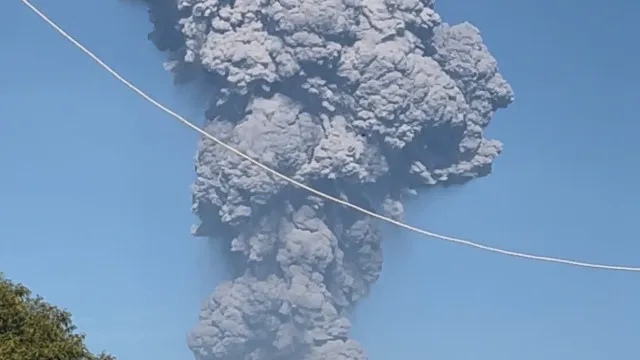
The picturesque island of Halmahera, located in the Maluku province of Indonesia, has been hit by a devastating volcanic eruption at Dukono, a volcano known for its frequent eruptions. The latest disaster has claimed at least three lives, including two foreign nationals, and has left ten people unaccounted for. As the search and rescue operations continue, authorities are warning of the potential risks associated with falling ash and further escalation of the volcanic activity.
Background on Indonesia’s Volcanic Landscape
Indonesia is home to over 130 active volcanoes, with the majority located along the Pacific Ring of Fire. The country’s geography makes it prone to natural disasters, including earthquakes, landslides, and volcanic eruptions. Dukono, one of the most active volcanoes in Indonesia, has been erupting intermittently since 1933, with some periods of increased activity. The volcano’s remote location on the island of Halmahera has made it challenging for authorities to monitor and respond to its eruptions.
The Impact of the Eruption
The recent eruption of Dukono has sent shockwaves across the region, with reports of ashfall and pyroclastic flows affecting nearby villages. The search and rescue operations are being hindered by the remote location of the affected areas and the challenging terrain. The authorities have deployed personnel and equipment to the area, but the risks associated with the eruption remain significant. The victims of the disaster include two foreign nationals, highlighting the importance of emergency planning and preparedness for tourists and expatriates living in Indonesia.
Challenges and Future Implications
The ongoing eruption of Dukono poses significant challenges for the local population, as well as for the national authorities responsible for disaster management. The risks associated with ashfall, pyroclastic flows, and lahars (mudflows) require a coordinated response to mitigate the impact of the disaster. In the long term, the eruption of Dukono highlights the need for enhanced disaster preparedness and response measures, as well as ongoing monitoring and research to better understand the behavior of Indonesia’s volcanoes.
Conclusion
The recent eruption of Dukono in Indonesia’s Halmahera region is a stark reminder of the country’s vulnerability to natural disasters. The loss of life and property underscores the need for effective disaster management practices, including emergency planning, preparedness, and response. As the search and rescue operations continue, the authorities must prioritize the safety of the affected communities and take steps to mitigate the risks associated with the ongoing eruption.