








Brazilian Politics: A Dispute Between Two Major Parties Takes a Financial Turn
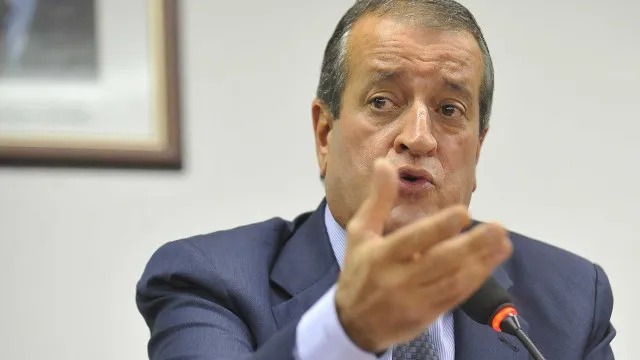
The Brazilian presidential election is not the only focal point of tension between the country’s two largest parties, the Social Liberal Party (Partido Social Liberal, PL) and the Workers’ Party (Partido dos Trabalhadores, PT). A recent development has seen the national president of the PL facing a financial claim from the PT’s national directory, which has sparked debate about the role of financing in Brazilian politics.
According to reports, the PT’s national directory has requested that the national president of the PL pay R$ 20,000 (approximately $4,200 USD) in compensation for a disputed payment. This claim arises from a long-standing dispute between the two parties, with the PL’s national president allegedly failing to meet his financial obligations to the PT’s national directory.
The Historical Context: A Complex Relationship Between the PL and PT
The PL and PT have a complex and often contentious relationship. Since its founding in 2006, the PL has positioned itself as a moderate conservative party, often taking stances at odds with the more left-leaning PT. The two parties have clashed on various policy issues, including economic reform, social welfare programs, and environmental protection.
This tension has been exacerbated by the recent presidential election, in which the PL’s candidate, Jair Bolsonaro, lost to the PT’s candidate, Luiz Inácio Lula da Silva. The election marked a significant shift in Brazilian politics, with the PT gaining power and the PL losing influence.
The Implications of This Dispute: A Reflection of Wider Issues in Brazilian Politics
The financial dispute between the PL and PT national directories is not an isolated incident. It reflects a broader problem with financing in Brazilian politics, where parties often rely on patronage and cronyism to fund their activities. This system can lead to corruption and abuse of power, undermining the integrity of the electoral process and the democratic system as a whole.
The PT’s national directory has filed a complaint with the Superior Electoral Court (TSE), requesting that the PL’s national president pay the requested compensation. The case is ongoing, with the PL’s president refusing to comment.
A New Era for Brazilian Politics?
The dispute between the PL and PT national directories highlights the need for greater transparency and accountability in Brazilian politics. As the country continues to grapple with issues of corruption, inequality, and social justice, the PL and PT must work towards a more democratic and inclusive system of governance.
The outcome of this dispute will be closely watched by observers in Brazil and beyond. Will the PT’s national directory succeed in its claim, or will the PL’s national president avoid paying the requested compensation? Whatever the result, this case serves as a reminder of the complex and often contentious nature of Brazilian politics.