








Brazil’s Electoral Tribunal Gets a New President: Kássio Nunes Marques Takes the Helm
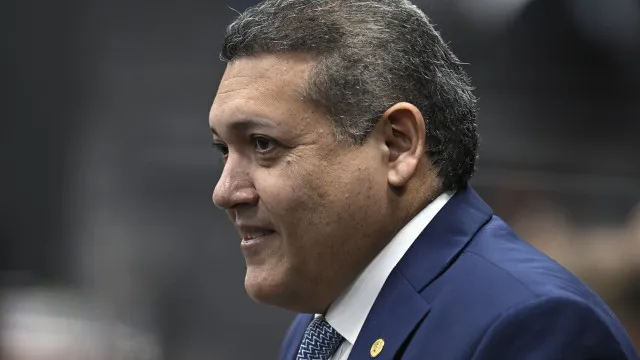
In a move that has sent shockwaves through Brazil’s electoral landscape, Kássio Nunes Marques has been appointed as the new president of the Tribunal Superior Eleitoral (TSE), the country’s highest electoral court. This development comes as a result of the recent changes in the country’s leadership, with Marques being nominated by former President Jair Bolsonaro when he was still in office.
A Brief Background on Kássio Nunes Marques
Kássio Nunes Marques, a seasoned jurist and former minister of the Supreme Federal Court, has been at the forefront of Brazilian politics for several years. His appointment to the TSE marks a significant turning point in the country’s electoral history, given the critical role the court plays in ensuring the integrity of Brazil’s electoral process. With a career spanning over three decades, Marques has gained a reputation for his expertise in constitutional law and electoral matters.
Historical Context: Understanding the Significance of the TSE
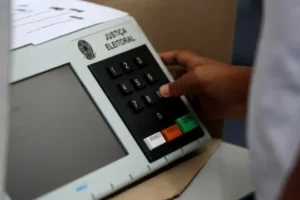
The Tribunal Superior Eleitoral (TSE) is Brazil’s apex electoral court, responsible for overseeing the country’s electoral processes and ensuring the integrity of its democratic institutions. The TSE’s powers include the settlement of electoral disputes, the validation of electoral results, and the imposition of penalties for electoral irregularities. The court’s decisions have a profound impact on Brazilian politics, as they often determine the outcome of elections and shape the country’s electoral landscape.
The Impact of Jair Bolsonaro’s Nomination
Jair Bolsonaro’s nomination of Kássio Nunes Marques to the TSE has sparked debate and controversy, particularly given the former president’s strained relationship with the country’s electoral institutions. Bolsonaro’s tenure was marked by allegations of electoral irregularities and attempts to undermine the country’s democratic institutions. Marques’ appointment has raised concerns about the potential for bias and partisanship in the TSE, which could have far-reaching implications for Brazil’s electoral process.
Looking Ahead: The Future of Brazil’s Electoral Landscape
As Kássio Nunes Marques assumes the presidency of the TSE, the question on everyone’s mind is: what does the future hold for Brazil’s electoral landscape? Will Marques’ leadership bring about much-needed reforms and improvements to the country’s electoral processes, or will his appointment reinforce existing partisan tensions? Only time will tell, but one thing is certain: the appointment of Kássio Nunes Marques to the TSE marks a significant turning point in Brazil’s electoral history, and its implications will be felt for years to come.
In conclusion, the appointment of Kássio Nunes Marques to the presidency of the TSE has sent shockwaves through Brazil’s electoral landscape. As the country’s highest electoral court, the TSE plays a critical role in ensuring the integrity of Brazil’s democratic institutions. Marques’ leadership will undoubtedly shape the country’s electoral landscape, and it remains to be seen whether his appointment will bring about positive change or reinforce existing partisan tensions. One thing is certain, however: the future of Brazil’s electoral process hangs in the balance, and the world will be watching with bated breath as Marques takes the helm of the TSE.