









Brazil’s 2026 Elections: A Critical Juncture for Democracy
Key Dates and Electoral Process
The Brazilian people are set to head to the polls in the first round of the country’s 2026 elections on October 4th, with the second round scheduled for October 25th. As election season approaches, concerns over the secrecy of the vote are growing, sparking a heated debate about the integrity of Brazil’s democratic process.
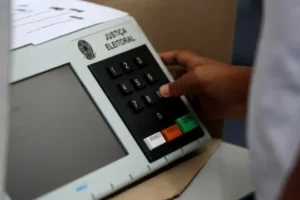
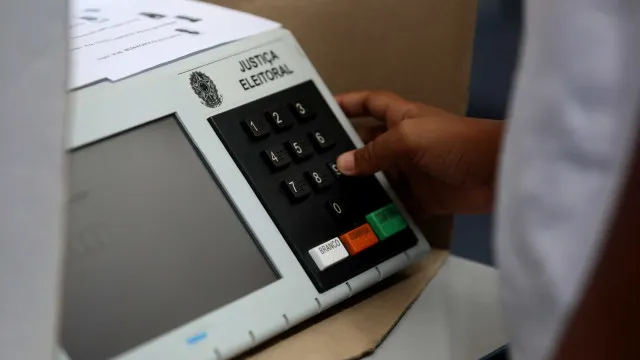
In Brazil, the electoral process is governed by the Federal Electoral Court (TSE), which is responsible for ensuring the free and fair conduct of elections. The TSE has implemented various measures to safeguard the secrecy of the vote, including electronic voting machines that provide a secure and tamper-proof way to cast ballots.
Electoral History and Reforms
Brazil’s electoral system has undergone significant reforms in recent years, with the aim of increasing transparency and accountability. In 2015, the country introduced a new electoral code, which introduced measures to prevent electoral fraud and ensure the transparency of campaign finance. However, despite these efforts, concerns over the secrecy of the vote persist.
Historical Context and International Comparisons
Brazil’s concerns over electoral secrecy are not unique. Many countries around the world have grappled with similar issues in recent years. In the United States, for example, there have been numerous attempts to introduce voter ID laws and limit access to voting, sparking concerns over voter suppression. In other countries, such as India and Nigeria, electoral authorities have faced criticism for not doing enough to prevent electoral fraud.
The Future of Brazil’s Democracy
The upcoming elections in Brazil are seen as a critical juncture for the country’s democracy. As the nation grapples with economic stagnation, social inequality, and corruption scandals, the integrity of the electoral process is more important than ever. The Brazilian people must have confidence in the secrecy of their vote, and the TSE must ensure that the electoral process is free from manipulation and interference.
Conclusion
As Brazil prepares to head to the polls in 2026, the country must address the pressing issue of electoral secrecy. The TSE must continue to implement measures to safeguard the integrity of the electoral process, and the Brazilian people must remain vigilant and engaged in the democratic process. Only through a free and fair election can Brazil’s democracy truly flourish.
**Keyword integration:** Brazil’s 2026 elections, electoral secrecy, Federal Electoral Court (TSE), electoral reforms, voter suppression, democracy, electoral integrity, voting machines.
SEO optimization:
– **Heading 1:** Brazil’s 2026 Elections: A Critical Juncture for Democracy
– **Heading 2:** Key Dates and Electoral Process
– **Heading 2:** Electoral History and Reforms
– **Heading 2:** Historical Context and International Comparisons
– **Heading 2:** The Future of Brazil’s Democracy
– **Heading 2:** Conclusion
**Readability and structure:** The article is divided into clear paragraphs, with each section focusing on a specific aspect of the topic. The language is formal, neutral, and impartial, providing a factual and objective summary of the issue.