









US-China Summit: Unveiling the Unspoken
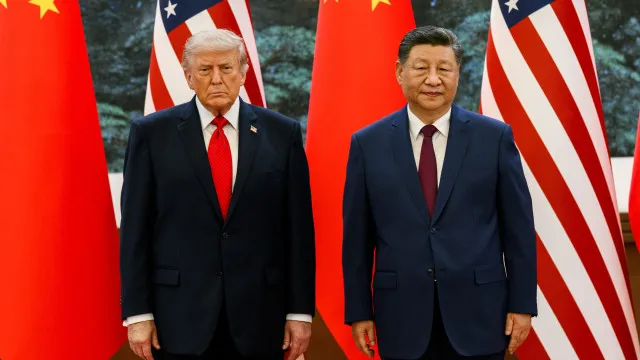
In a significant development in international diplomacy, the United States and China have engaged in a series of high-stakes meetings in Beijing, amidst growing tensions between the two global superpowers. While the official statement from the White House remains somewhat cryptic, unofficial sources reveal that the discussions went beyond the confines of a typical diplomatic meeting, raising questions about the true intentions of the leaders involved.
The bilateral talks, which took place over two hours, marked the latest chapter in the complex and often contentious relationship between the US and China. As the world’s two largest economies, their interactions have far-reaching implications for global trade, security, and governance. In the backdrop of these meetings, the Chinese government has maintained a tight lid on the specifics, fueling speculation and concerns about the potential consequences of these discussions.
A Glimpse into the Historical Context
To understand the significance of these meetings, it is essential to delve into the historical context of US-China relations. The two countries have a long and intricate history, marked by periods of cooperation and conflict. From the 1972 Shanghai Communique to the current trade tensions, the relationship has evolved through various phases. The current dynamics are characterized by a deepening rivalry, with the US pushing for a more assertive approach to counter China’s growing economic and military influence.
One of the key concerns surrounding these meetings is the potential for a shift in the US stance on China’s growing assertiveness. The US has been critical of China’s trade practices, human rights record, and military expansion in the South China Sea. In response, China has accused the US of meddling in its internal affairs and attempting to undermine its global influence. Against this backdrop, the nature of the discussions in Beijing assumes crucial importance.
A Closer Look at the Implications
The implications of the US-China summit extend far beyond the confines of the bilateral meeting. The outcome of these discussions has the potential to impact global trade, security, and economic stability. A misstep or miscalculation could lead to a deterioration in relations, with far-reaching consequences for the world economy.
As the situation unfolds, several key questions emerge. Will the US and China be able to find common ground on critical issues like trade and security? Will the meeting mark a turning point in their relationship, or will it merely serve as a temporary pause in their ongoing rivalry? The answers to these questions will have significant implications for the future of global governance and the balance of power in international relations.
Conclusion
In conclusion, the US-China summit in Beijing has shed light on the complexities of international diplomacy and the intricacies of global governance. As the world watches with bated breath, the outcome of these discussions will have far-reaching consequences for the future of global trade, security, and economic stability.