









Sugar Cargo Bound for Export Raises Concerns Over Contamination
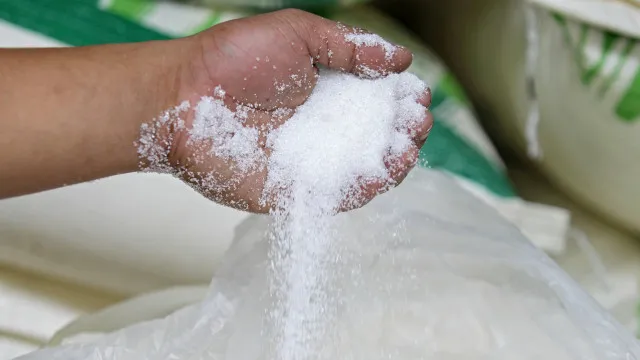
The recent seizure of a sugar cargo at the Port of Paranaguá in Brazil has sparked worries about the potential contamination of the product. Preliminary investigations have revealed indications of the presence of material similar to sand above the permissible limit in the cargo destined for export. This development has significant implications for the global sugar trade and highlights the importance of stringent quality control measures.
A Complex Issue: Sugar Contamination and Quality Control
Sugar contamination is a complex issue that can arise from various sources, including environmental factors, storage conditions, and processing techniques. The presence of foreign materials, such as sand or other impurities, in sugar can compromise its quality, safety, and shelf life. In the context of international trade, contaminated sugar can have far-reaching consequences, including damage to the reputation of exporting countries and potential health risks to consumers.
Historical Context: Sugar Contamination in the Sugar Industry
While the recent incident at the Port of Paranaguá is a concerning development, it is not an isolated occurrence. Sugar contamination has been a recurring issue in the sugar industry for decades. In the 1990s, for example, a major sugar contamination scandal in Brazil led to the recall of millions of tons of sugar from the global market. Similarly, in 2019, a shipment of sugar contaminated with lead was intercepted at a major port in the United States.
Regulatory Framework: Ensuring Sugar Quality and Safety
In response to concerns over sugar contamination, regulatory bodies have established stringent quality control measures to ensure the safety and quality of sugar products. The Codex Alimentarius Commission, a global food safety standard-setting body, has established guidelines for the maximum permissible levels of contaminants in sugar. National authorities, such as the Brazilian Ministry of Agriculture, also have regulatory frameworks in place to monitor and control the quality of sugar exports.
Future Implications: Enhancing Quality Control Measures
The recent incident at the Port of Paranaguá serves as a reminder of the importance of robust quality control measures in the sugar industry. To mitigate the risk of sugar contamination, manufacturers and exporters must invest in advanced processing and storage technologies, as well as implement rigorous quality control protocols. Governments and regulatory agencies must also continue to strengthen their oversight and enforcement mechanisms to prevent the spread of contaminated sugar products.
Conclusion: A Call for Enhanced Quality Control in the Sugar Industry
The recent seizure of a sugar cargo at the Port of Paranaguá highlights the ongoing challenge of ensuring the quality and safety of sugar products. As the global sugar trade continues to grow, it is essential that manufacturers, exporters, and regulatory bodies prioritize the implementation of robust quality control measures to prevent sugar contamination. By doing so, we can protect the reputation of the sugar industry, ensure the health and safety of consumers, and promote a more transparent and accountable global food system.