








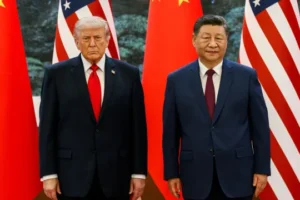


Deepfakes: The Rise of Realistic AI-Generated Videos on Social Media
As technology continues to advance at an unprecedented pace, the creation of realistic videos generated by artificial intelligence (AI) has become increasingly sophisticated. These AI-created videos, often referred to as deepfakes, have started to blur the lines between reality and fiction, leaving many social media users confused and concerned. In this article, we will delve into the world of deepfakes, exploring the details that may reveal these AI-generated videos and the implications of this emerging technology.
The Evolution of Deepfakes
Deepfakes have been around for a few years, but their recent surge in popularity is largely attributed to advancements in AI algorithms and the availability of high-quality video editing software. These AI-generated videos can be created using various techniques, including face swapping, voice manipulation, and lip syncing. The result is a convincing and often disturbingly realistic video that can be used to deceive or manipulate people.
Red Flags: Identifying Deepfakes
Experts in the field have identified several key indicators that may suggest a video is a deepfake. One of the most obvious giveaways is a lack of human-like gestures, such as hands that move stiffly or are missing altogether. Another red flag is the use of voiceovers or audio that sounds artificial or robotic. Additionally, deepfakes often exhibit unnatural facial expressions or eye movements that can be detected by trained observers.
Historical Context: The Emergence of AI-Generated Content
The concept of AI-generated content is not new, dating back to the early days of computer graphics and special effects. However, the recent advancements in AI algorithms and the proliferation of social media have made it easier for creators to produce and disseminate AI-generated content. This has raised concerns about the potential for deepfakes to be used for malicious purposes, such as spreading misinformation or propaganda.
Future Implications: The Ethics of AI-Generated Content
As deepfakes continue to improve in quality and realism, the question of ethics becomes increasingly pressing. Should creators be held accountable for the content they produce, even if it’s generated by AI? How can social media platforms effectively detect and remove deepfakes, without infringing on free speech and creative expression? These are just a few of the many questions that must be addressed as we navigate the uncharted territory of AI-generated content.
Conclusion: Navigating the Uncertain World of Deepfakes
The rise of realistic AI-generated videos on social media is a complex issue that requires a multifaceted approach. While AI-generated content has the potential to revolutionize industries such as entertainment and education, it also poses significant risks to individuals and society as a whole. By understanding the details that may reveal deepfakes and exploring the historical context and future implications of this technology, we can begin to develop strategies for mitigating its negative effects and harnessing its creative potential.
**Keywords:** deepfakes, AI-generated videos, social media, artificial intelligence, video editing software, face swapping, voice manipulation, lip syncing, red flags, identification, ethics, accountability, social media platforms, free speech, creative expression.
Source: Notícias ao Minuto Brasil – Tech