








Middle East Tensions Escalate: Israel’s Prime Minister Vows Preparedness Amid Iran Ceasefire Talks
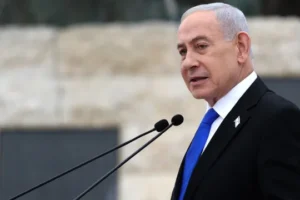
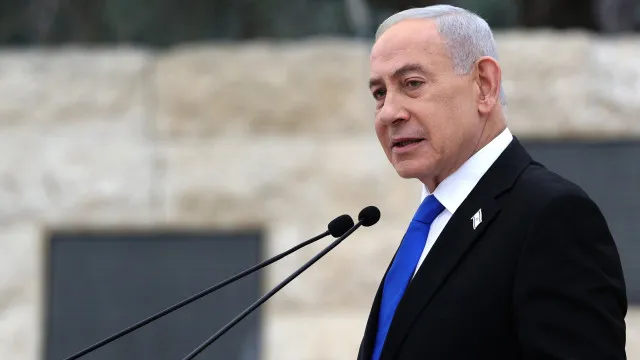
The ongoing conflict between Israel and Iran has reached a critical juncture, with Israeli Prime Minister Benjamin Netanyahu stating that his country is “prepared for any scenario” regarding a potential advance in the ceasefire talks with Tehran. This declaration comes amidst escalating tensions in the region, with the fragile truce between Israel and Hamas hanging by a thread.
In recent months, the Israeli-Palestinian conflict has witnessed a surge in violence, with both sides trading blows and accusations. The Israeli military has launched airstrikes against Hamas targets in the Gaza Strip, while Palestinian militants have retaliated with rocket attacks on Israeli cities. The escalation has raised concerns about a possible full-blown war, which could have devastating consequences for the region and the world.
The ceasefire talks between Israel and Iran, facilitated by international mediators, have been ongoing for several months. While the details of the negotiations remain shrouded in secrecy, it is believed that Israel is seeking guarantees from Iran that it will cease its support for Hamas and other Palestinian militant groups. In return, Iran is reportedly demanding that Israel agree to lift its blockade on the Gaza Strip and recognize the Palestinian state.
The Israeli Prime Minister’s statement is seen as a reflection of his government’s determination to protect its national security interests in the face of what it perceives as a growing threat from Iran. Netanyahu has long been a vocal critic of Iran’s nuclear program and its influence in the region, and his government has taken a hardline stance on the issue.
Historical Context: The Israeli-Iranian Conflict
The Israeli-Iranian conflict has its roots in the 1979 Islamic Revolution, which saw the overthrow of the Shah of Iran and the establishment of an Islamic republic. Since then, Iran has been a major supporter of Palestinian militant groups, including Hamas and Hezbollah, which have been involved in numerous attacks against Israel.
In 2015, the international community reached a landmark agreement with Iran, known as the Joint Comprehensive Plan of Action (JCPOA), which aimed to limit Iran’s nuclear program in exchange for relief from economic sanctions. However, the Trump administration withdrew from the agreement in 2018, and Iran has since been enriching uranium to higher levels, raising concerns about its nuclear ambitions.
The Role of the United States
The United States has been a key player in the Israeli-Iranian conflict, with the US military maintaining a significant presence in the region. The Trump administration’s withdrawal from the JCPOA has been seen as a major blow to the agreement, and the Biden administration has been grappling with the implications of this decision.
The Israeli Prime Minister’s statement that he will be speaking with the US President in the coming hours suggests that the two leaders may be seeking to coordinate their positions on the conflict. However, the specifics of the conversation remain unclear, and it is difficult to predict what outcome the talks may yield.
Conclusion
The Israeli-Iranian conflict remains a complex and volatile issue, with both sides dug in and unwilling to back down. While the ceasefire talks offer a glimmer of hope for a resolution, the path ahead is fraught with challenges and uncertainties. As the situation continues to evolve, it is essential to remain informed and vigilant, recognizing the potential consequences of a wider conflict and the importance of diplomacy in resolving the crisis.