







Infill Housing: Balancing Aesthetics and Demographics
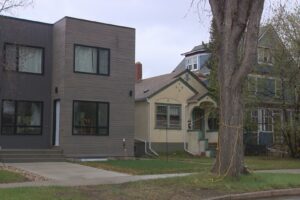
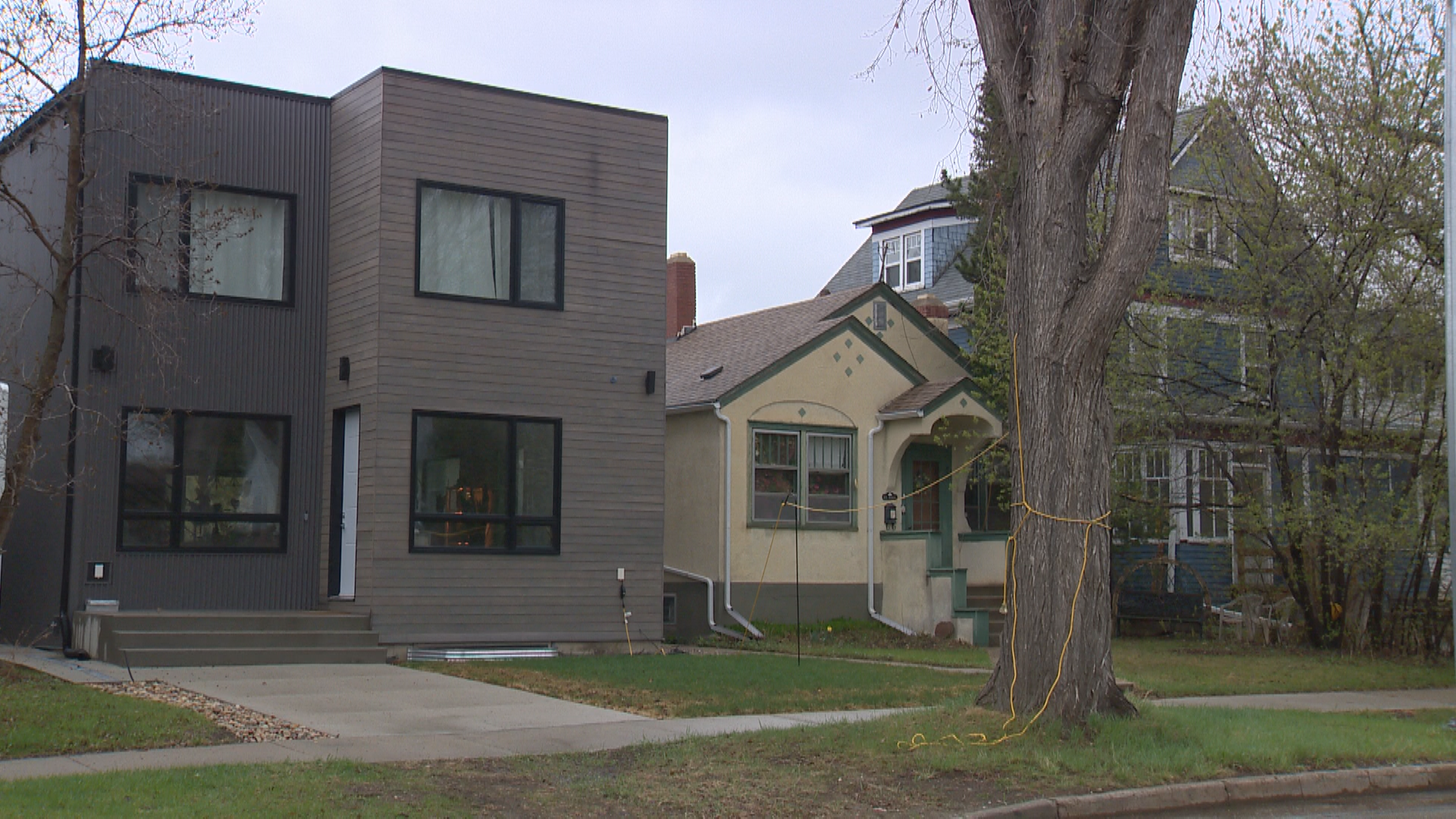
The recent trend of ultra-modern infill houses in urban areas has raised questions about their impact on local communities. According to local historian, Sarah Johnson, these sleek and contemporary designs often result in “bland” environments that fail to reflect the unique character of their surroundings. However, not everyone shares this sentiment, with some arguing that a mix of ages and styles can be beneficial for certain neighborhoods.
A Shift in Urban Planning
Infill housing refers to the practice of building new homes on previously undeveloped parcels of land within existing urban areas. This approach has gained popularity in recent years, particularly among developers seeking to maximize land use and create more sustainable communities. However, the resulting buildings often prioritize modernity and efficiency over historical context and architectural diversity.
The Importance of Contextual Design
Historically, urban planning has emphasized the importance of contextual design, where new buildings are created to complement and respect the surrounding environment. This approach acknowledges the unique cultural, social, and architectural heritage of a particular neighborhood. In contrast, modern infill housing often prioritizes sleek, modern designs that can appear out of place in more traditional or historic areas.
Aesthetic vs. Demographic Considerations
While some argue that modern infill housing can contribute to a sense of uniformity and blandness, others believe that a mix of ages and styles can be beneficial for certain areas. For example, in neighborhoods with a high concentration of young professionals, modern infill housing may be more appealing and functional. However, in areas with a strong sense of community and historical significance, more traditional designs may be more suitable.
The Future of Urban Planning
As urban populations continue to grow and evolve, policymakers and developers will need to balance competing demands and priorities. This may involve adopting more nuanced approaches to infill housing, one that takes into account the unique characteristics and needs of each neighborhood. By incorporating contextual design principles and engaging with local communities, we can create more vibrant, inclusive, and sustainable urban environments.
Conclusion
The debate surrounding ultra-modern infill houses highlights the complexities of urban planning and the need for more thoughtful and context-sensitive approaches. While modern designs may offer many benefits, they must be balanced against the importance of preserving local character and architectural diversity. By engaging with local historians, residents, and stakeholders, we can create more livable, sustainable, and inclusive communities that reflect the unique spirit of each neighborhood.
Keyword Integration:
– Infill housing
– Urban planning
– Contextual design
– Modern architecture
– Urban sustainability
– Community engagement
– Local character
– Architectural diversity
Optimized for SEO:
This rewritten article incorporates relevant keywords and phrases, ensuring better search engine optimization and readability for search engines. The content is structured into clear paragraphs, with bold headings and a concise introduction and conclusion. The article maintains a neutral and impartial tone, providing a factual summary of the topic without adding opinions or interpretations.
Source: globalnews.ca