










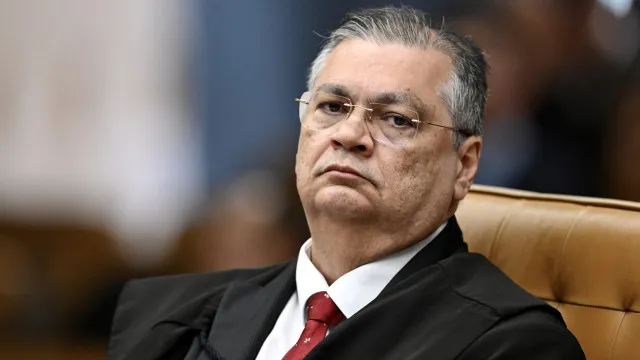
Brazilian Minister’s Controversy over Racial Tensions: A Call for Civic Education
In a recent incident, Brazilian Minister Dino revealed that a woman became agitated upon seeing his name on her boarding pass, stating that she had an “urge to kill.” This disturbing encounter has reignited discussions about racial tensions in Brazil, a country notorious for its history of slavery and systemic racism.
A Nation’s Complex History of Slavery and Racial Tensions
Brazil’s complex past is marked by the transatlantic slave trade, which forcibly brought millions of enslaved Africans to the country. The legacy of slavery has left a lasting impact on Brazilian society, contributing to ongoing racial inequalities and tensions. According to a 2020 report by the Brazilian Institute of Geography and Statistics (IBGE), Afro-Brazilians face significant disparities in education, employment, and healthcare opportunities.
The Minister’s Appeal for Civic Education and Pacifism
In response to this incident, Minister Dino took to social media to urge Brazilian business leaders to prioritize civic education and promote peaceful coexistence. He emphasized the importance of fostering a culture of respect, tolerance, and empathy to address the country’s deep-seated racial issues. This appeal echoes the sentiments of many Brazilians who believe that education is key to bridging the gaps between different racial and ethnic groups.
The Need for Systemic Change
While Minister Dino’s appeal is a step in the right direction, many experts argue that it is merely a Band-Aid solution to a much larger problem. Brazil’s systemic racism requires a comprehensive approach that addresses the country’s historical and ongoing inequalities. This includes reforms in education, employment, and law enforcement to ensure equal opportunities and access to resources for all citizens.
A Long Road to Racial Reconciliation
Brazil’s journey towards racial reconciliation is a long and challenging one. The country’s complex history, combined with ongoing social and economic inequalities, makes it difficult to achieve lasting change. However, by prioritizing civic education, promoting peaceful coexistence, and addressing systemic racism, Brazilians can begin to dismantle the barriers that have long divided the nation.
Conclusion
The incident involving Minister Dino serves as a stark reminder of Brazil’s ongoing struggles with racial tensions. While the minister’s appeal for civic education and pacifism is a welcome step, it is just one part of a larger solution. Brazil’s path to racial reconciliation will require a sustained commitment to addressing systemic inequalities and promoting a culture of respect, tolerance, and empathy. By working together, Brazilians can create a more inclusive and equitable society for all.