







Brazil’s Election Landscape: New Poll Suggests Flávio Bolsonaro’s Decline
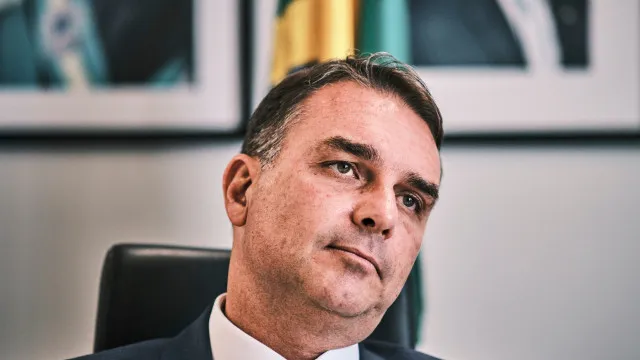
In the midst of Brazil’s presidential election season, a recent poll conducted by Atlas/Intel has shed light on a potentially significant shift in voter sentiment. According to the survey, Flávio Bolsonaro, the son of President Jair Bolsonaro, has seen a significant decline in popularity, losing 6 percentage points in the polls. This development has led to concerns that he may struggle to secure the presidency in a potential second-round matchup against former President Luiz Inácio Lula da Silva.
A Shift in Public Perception
Flávio Bolsonaro’s approval ratings have taken a hit, with 52% of respondents expressing disapproval, surpassing the disapproval rate for Lula, which stands at 50.6%. This marked decline in popularity is a concerning trend for Bolsonaro’s campaign, which had initially gained momentum. The poll suggests that voters are increasingly disillusioned with Bolsonaro’s leadership, particularly in the wake of his father’s presidency, which has been marred by controversy and criticism.
Historical Context: The Bolsonaro Presidency
The Bolsonaro presidency has been marked by a polarizing style of governance, with President Jair Bolsonaro adopting a populist approach that has alienated many in the opposition. The president’s handling of the COVID-19 pandemic, as well as his stance on environmental issues, have been particularly contentious. The current poll results may be a reflection of the public’s growing unease with the Bolsonaro administration’s policies and leadership style.
Implications for the 2026 Election
The implications of this shift in public perception are significant, particularly given the upcoming presidential election. A second-round matchup between Flávio Bolsonaro and Lula would be a highly unusual scenario, with Lula’s popularity and experience making him a formidable opponent. The poll results suggest that Lula may have a decisive advantage in such a matchup, which could potentially hand the presidency to the former president.
A Complex Election Landscape
The Brazilian election landscape is complex and multifaceted, with various factors influencing voter behavior. The poll results highlight the need for Flávio Bolsonaro’s campaign to adapt and reassess its strategy in light of the shifting public mood. As the election season heats up, it will be essential to monitor the polls and assess the candidates’ performances in the lead-up to the election.
Conclusion
The recent poll results, while not definitive, suggest a concerning trend for Flávio Bolsonaro’s campaign. The decline in his popularity and the growing disapproval rate are significant developments that may have far-reaching implications for the 2026 presidential election. As the campaign season unfolds, it will be essential to closely monitor the polls and assess the candidates’ performances in light of the shifting public mood. One thing is clear: the Brazilian election landscape is set to become increasingly unpredictable, with various factors influencing voter behavior.