









Brazil’s Regulatory Body Takes Action Against Unregistered Herbal Remedies and Defective Medications
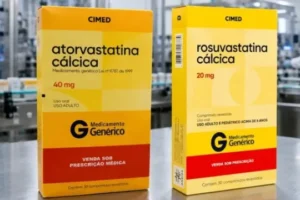
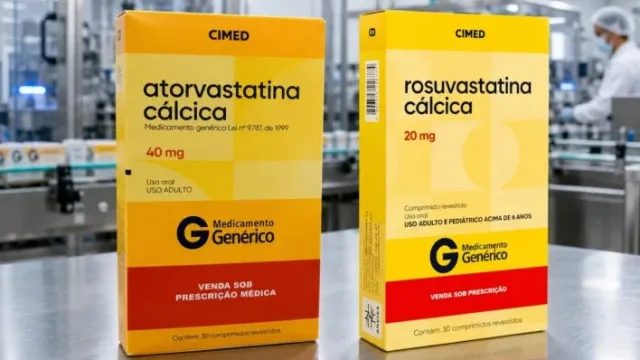
In a move aimed at safeguarding public health, Brazil’s National Health Surveillance Agency (ANISA) has ordered the recall of several batches of medications manufactured by Hypofarma and Cimed due to reports of issues with products used to treat inflammation and cholesterol. Furthermore, the agency has prohibited the sale of unregistered herbal remedies, also known as fitoterápicos, which have been gaining popularity in the country.
A Look at the History of Unregistered Herbal Remedies in Brazil
The use of herbal remedies, also known as fitoterápicos, has been a long-standing practice in Brazil, dating back to the country’s indigenous roots. However, the lack of regulation and oversight has led to concerns over the safety and efficacy of these products. In recent years, the popularity of herbal remedies has grown, with many Brazilians turning to these products for various health issues, including inflammation, pain, and cholesterol management. While some herbal remedies have been shown to be effective, others have been linked to adverse reactions and interactions with conventional medications.
The Consequences of Unregistered Herbal Remedies
The sale of unregistered herbal remedies poses a significant risk to public health, as these products often lack rigorous testing and quality control measures. In the absence of regulation, manufacturers may exploit loopholes and mislabel their products, leading to the distribution of potentially hazardous substances. Furthermore, the use of unregistered herbal remedies can also lead to a false sense of security, as consumers may forgo conventional treatments in favor of these products, compromising their health and well-being.
The Recall of Defective Medications
The recall of defective medications manufactured by Hypofarma and Cimed highlights the need for robust quality control measures in the pharmaceutical industry. The affected products, used to treat inflammation and cholesterol, are crucial in managing chronic conditions that affect millions of Brazilians. The recall demonstrates the agency’s commitment to ensuring the safety and efficacy of medications in the country.
The Implications of ANISA’s Actions
The actions taken by ANISA send a clear message to manufacturers and consumers alike: the sale and use of unregistered herbal remedies and defective medications will not be tolerated. The agency’s decision to prohibit the sale of unregistered herbal remedies sets a precedent for stricter regulation and oversight in the industry. As the Brazilian government continues to prioritize public health, these measures aim to protect consumers and promote a culture of safety and transparency in the healthcare sector.
In conclusion, ANISA’s actions demonstrate a commitment to safeguarding public health and promoting a culture of safety and transparency in the healthcare sector. As the regulatory body continues to address the issues surrounding unregistered herbal remedies and defective medications, it is crucial for manufacturers and consumers to work together to ensure the highest standards of quality and safety in the pharmaceutical industry.