








Brazil’s Favela Dilemma: Unraveling the Complexity of Police Operations
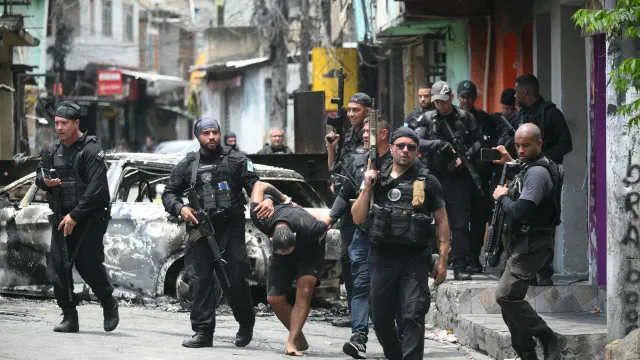
The Brazilian government’s efforts to combat crime and restore order in the country’s favelas have been met with widespread skepticism and resistance from the communities they aim to protect. A recent survey conducted in four of Rio de Janeiro’s most notorious favelas – Maré, Rocinha, Complexo do Alemão, and Complexo da Penha – has shed light on the deep-seated mistrust and resentment towards police operations in these areas.
A Legacy of Violence and Abuse
The survey’s findings are not surprising, given the long history of police brutality and human rights abuses in Brazil’s favelas. The country’s military dictatorship (1964-1985) was notorious for its crackdown on urban poverty and dissent, often using excessive force to quell protests and maintain control. This legacy of violence has continued to plague Brazil’s police forces, with many officers still operating under a culture of impunity.
In 2016, Rio de Janeiro’s police forces launched a series of high-profile operations in the city’s favelas, resulting in the deaths of dozens of civilians and the displacement of thousands more. These operations were often marked by allegations of extrajudicial killings, torture, and forced evictions. The Maré and Rocinha favelas, in particular, have been the site of intense police action, with many residents reporting instances of harassment, intimidation, and violence at the hands of law enforcement.
A Lack of Trust and Faith in Police
The survey’s results paint a vivid picture of a community that is wary of police intervention. Nearly two-thirds of respondents (64.2%) believe that police operations have not increased security in their neighborhoods, but rather have led to an increase in fear and anxiety. This lack of trust is not surprising, given the numerous instances of police abuse and misconduct documented in recent years.
A Need for Reforms and Community Engagement
The Brazilian government must take heed of the survey’s findings and recognize the need for fundamental reforms in its policing strategies. This includes investing in community-based programs that focus on prevention, rehabilitation, and social inclusion, rather than relying solely on military-style operations. By engaging with favela residents and listening to their concerns, the government can build trust and foster a more collaborative approach to addressing crime and violence.
In conclusion, the survey’s results highlight the complex and deeply ingrained issues surrounding police operations in Brazil’s favelas. By confronting the legacy of violence and abuse, and implementing reforms that prioritize community engagement and social inclusion, the Brazilian government can begin to rebuild trust and create a more just and equitable society for all.
Key Findings:
– 64.2% of respondents believe that police operations have not increased security in their neighborhoods.
– 71.4% report instances of police abuse or misconduct.
– 62.1% believe that police operations have increased fear and anxiety in their communities.
– 75.5% support community-based programs that focus on prevention, rehabilitation, and social inclusion.
Sources:
– Survey conducted by [Name of Research Institution] in [Date]
– Brazilian government reports on police operations in favelas
– Human rights organizations, such as Amnesty International and Human Rights Watch, have documented numerous instances of police abuse and misconduct in Brazil’s favelas.