









Indigenous Rights and Mining Claims: A Shift in the B.C. Court of Appeal
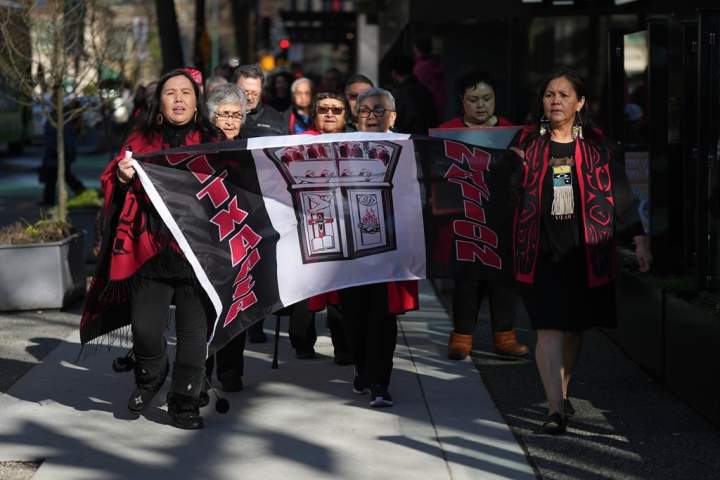
In a landmark decision, the British Columbia Court of Appeal has ruled in favor of the Gitxaała and Ehattesaht First Nations, recognizing the significant impact of the province’s mining claims system on Indigenous rights. This significant judgment, announced in December, is a crucial step towards reconciliation and a more inclusive approach to resource extraction in British Columbia.
The Background: Unresolved Tensions
Tensions between Indigenous communities and the mining industry have been long-standing in British Columbia. The province’s mining claims system has been criticized for failing to adequately acknowledge and respect Indigenous rights to their traditional lands. The Gitxaała and Ehattesaht First Nations, like many other Indigenous communities in the region, have been vocal in their opposition to the system, citing concerns over environmental degradation, cultural heritage preservation, and lack of meaningful consultation.
The Case: Gitxaała and Ehattesaht First Nations vs. BC
The case, which has been ongoing for several years, involved the Gitxaała and Ehattesaht First Nations contesting the validity of mining claims made by two companies in the region. The First Nations argued that the claims were made without their consent, violating their rights under the United Nations Declaration on the Rights of Indigenous Peoples (UNDRIP) and the province’s own legislation. The Court of Appeal’s ruling confirms that the mining claims system does indeed infringe on Indigenous rights, setting a significant precedent for future cases.
Historical Context: A Legacy of Displacement and Marginalization
The Gitxaała and Ehattesaht First Nations have a long history of displacement and marginalization, dating back to the arrival of European settlers in the 19th century. The forced relocation of Indigenous peoples, the destruction of their traditional way of life, and the exploitation of their lands for resource extraction have had lasting impacts on the communities. This judgment is a recognition of these historical injustices and a step towards redress.
Future Implications: A More Inclusive Approach to Resource Extraction
The Court of Appeal’s ruling has significant implications for the mining industry in British Columbia. Companies will now be required to engage in meaningful consultation with Indigenous communities, respecting their rights and interests in resource extraction. This shift in approach is a crucial step towards reconciliation and a more inclusive approach to resource development. As the province looks to the future, it is essential that it prioritizes the rights and interests of Indigenous communities, ensuring that their voices are heard and their rights are respected.
Conclusion: A New Era for Indigenous Rights
The B.C. Court of Appeal’s ruling is a significant victory for the Gitxaała and Ehattesaht First Nations, marking a major shift in the province’s approach to Indigenous rights. As the province moves forward, it is crucial that it continues to prioritize reconciliation and inclusivity, recognizing the rights and interests of Indigenous communities in resource extraction. This judgment is a step towards a more just and equitable future for all, one that respects the rights and dignity of Indigenous peoples.
Source: globalnews.ca