









Coal Mine Disaster in Northeast China: A Devastating Tragedy
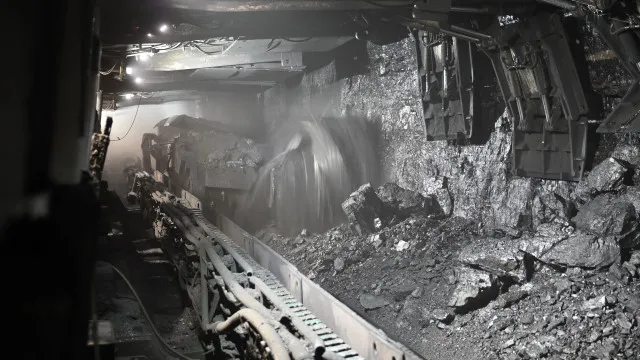
A catastrophic explosion at a coal mine in the northeastern province of Liaoning, China, has claimed the lives of at least eight workers and left dozens trapped underground. According to the official Xinhua news agency, the incident occurred amidst a long-standing struggle for improved working conditions and safety measures in China’s coal mining industry.
Safety Concerns in China’s Coal Mining Sector
China is the world’s largest producer of coal, with a significant portion of its coal reserves situated in the northeastern provinces. However, the country’s coal mining industry has been plagued by numerous accidents and fatalities in recent years, highlighting the need for enhanced safety protocols and rigorous enforcement. The government has implemented various measures to improve mine safety, including the introduction of new regulations and the deployment of advanced equipment. Nevertheless, the industry continues to grapple with inadequate safety standards, inadequate training, and a lack of transparency in reporting incidents.
Historical Context: China’s Coal Mining Industry
The coal mining industry in China has a long and complex history, dating back to the 19th century when the country first began to industrialize. The industry has played a crucial role in China’s economic development, providing a significant source of energy and employment opportunities. However, the industry’s rapid growth has been accompanied by a high incidence of accidents and fatalities, often attributed to inadequate safety standards, poor working conditions, and a lack of regulatory oversight.
Regulatory Challenges and Future Implications
The recent explosion at the Liaoning coal mine highlights the ongoing challenges facing China’s coal mining industry in terms of safety and regulation. The government has announced plans to strengthen safety inspections and enforcement, as well as to increase funding for mine safety initiatives. However, the industry’s future remains uncertain, with the Chinese government committing to reduce its reliance on coal in the coming years as part of its efforts to combat climate change. As the country transitions to cleaner energy sources, the coal mining industry is likely to face significant challenges, including job losses and declining demand.
Conclusion
The tragic events at the Liaoning coal mine serve as a stark reminder of the ongoing risks and challenges facing China’s coal mining industry. As the country continues to grapple with the complexities of regulating and improving safety standards in the industry, the need for greater transparency, accountability, and investment in mine safety initiatives has never been more pressing. The future of the industry remains uncertain, but one thing is clear: the lives lost in this disaster will not be forgotten, and their memory will serve as a catalyst for change in the years to come.
Key Statistics and Facts
– At least 8 workers have been confirmed dead, with dozens more trapped underground.
– The explosion occurred at a coal mine in the northeastern province of Liaoning, China.
– China is the world’s largest producer of coal, accounting for over 50% of global production.
– The country’s coal mining industry has a long history, dating back to the 19th century.
– China has committed to reducing its reliance on coal in the coming years as part of its efforts to combat climate change.
Sources
– Xinhua news agency
– Chinese Ministry of Coal Industry
– International Labor Organization (ILO)
– World Coal Association