










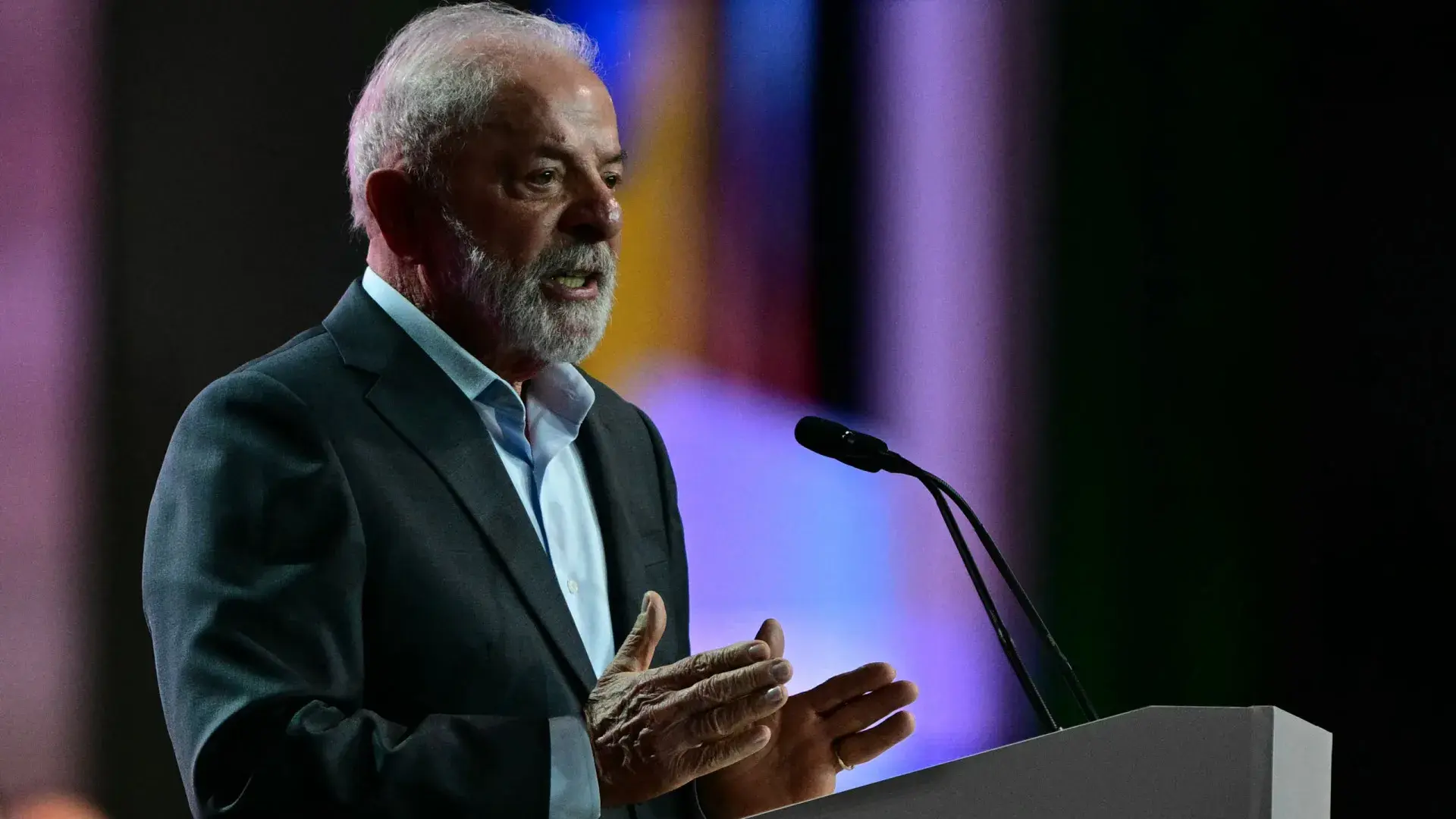
Brazil’s President Lula Calls for Tough Laws to Combat Organized Crime
Brazil has long struggled with the issue of organized crime, and President Luiz Inácio Lula da Silva has recently emphasized the need for strong and secure laws to combat the problem. In a recent statement, President Lula emphasized the importance of enacting effective legislation to tackle the root causes of organized crime.
A History of Organized Crime in Brazil
Organized crime has been a persistent issue in Brazil for decades. The country’s large and complex network of cities, as well as its porous borders, has made it an attractive hub for transnational crime syndicates. From narcotics trafficking to extortion and racketeering, organized crime has taken a devastating toll on Brazilian society, impacting not only the economy but also public safety.
One of the key laws that President Lula referenced in his statement is the PL Antifacção (Anti-Facção Law), a proposed legislation aimed at tackling organized crime. The law, which has been pending approval in the Brazilian Congress, seeks to strengthen penalties for those convicted of crimes related to organized crime, as well as provide additional resources for law enforcement agencies to combat the issue.
Revised Law Aims to Address Shortcomings of Original Legislation
However, the revised law approved by the Brazilian Chamber of Deputies last week has been met with controversy. President Lula expressed his concerns about the changes made to the original legislation, stating that the revised version does not adequately address the root causes of organized crime.
Critics of the revised law argue that it may inadvertently create more harm than good, as it could lead to increased police brutality and human rights violations. Others have pointed out that the law does not provide sufficient support for community-based initiatives aimed at preventing organized crime.
A New Approach to Combating Organized Crime
In light of the controversy surrounding the revised law, President Lula’s call for tough laws to combat organized crime takes on added significance. The Brazilian government’s efforts to strengthen penalties and increase resources for law enforcement agencies are seen as a step in the right direction, but critics argue that more needs to be done to address the underlying social and economic issues driving organized crime.
To truly tackle the problem of organized crime in Brazil, it is essential to adopt a comprehensive approach that addresses the complex web of factors contributing to its prevalence. This includes investing in education and job training programs, supporting community-based initiatives, and implementing policies aimed at reducing social and economic inequality.
Conclusion
The issue of organized crime in Brazil remains a pressing concern, and President Lula’s call for tough laws to combat the problem is a stark reminder of the need for decisive action. While the revised law approved by the Brazilian Chamber of Deputies may have its merits, it is essential to ensure that any legislation aimed at tackling organized crime prioritizes human rights and community-based initiatives. By adopting a comprehensive approach that addresses the root causes of organized crime, Brazil can hope to reduce its prevalence and create a safer, more prosperous society for all its citizens.
Keyword Summary
– Organized crime in Brazil
– President Lula’s statement on combating crime
– PL Antifacção Law
– Revised law approved by the Brazilian Chamber of Deputies
– Impact of organized crime on Brazilian society
– Human rights and community-based initiatives
– Comprehensive approach to tackling organized crime