








Racial Tension Erupts in São Paulo School: Police Action Classified as Racism
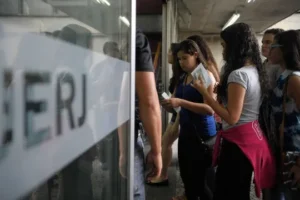
In a recent incident that has sparked widespread condemnation, the Brazilian Ministry of Racial Equality (Ministério da Igualdade Racial) has classified an action by armed police officers in a São Paulo school as an act of racism. The incident occurred after a complaint was lodged regarding a drawing of an orixá, a deity from Afro-Brazilian mythology, made by a student.
Historical Context: Afro-Brazilian Culture in Education
The Ministry’s decision is a significant development in the country’s efforts to promote racial equality and tackle systemic racism. Brazil has a complex history when it comes to Afro-Brazilian culture, with a legacy of slavery and colonialism that has left deep scars. Despite this, the country has made progress in recent years to recognize and celebrate its Afro-Brazilian heritage. In 2010, the Brazilian government introduced a law requiring public schools to teach Afro-Brazilian and indigenous cultures as part of the national curriculum.
The Incident: Police Overreach and Racial Profiling
According to reports, the police officers arrived at the school in response to a complaint from a parent about the drawing of the orixá. However, the officers’ actions were deemed excessive, with some witnesses alleging that they used racial slurs and threatened the students. This incident has reignited concerns about racial profiling and police brutality in Brazil. The Ministry’s classification of the incident as racism is a significant step towards acknowledging the systemic issues that underlie such incidents.
Legal Implications and Future Developments
The Ministry’s decision has significant implications for the way that the Brazilian government approaches racial equality and police accountability. The Ministry has requested explanations from the state secretariats involved in the incident and has reaffirmed its commitment to enforcing laws that guarantee the teaching of Afro-Brazilian and indigenous cultures in basic education. This move is seen as a crucial step towards addressing the country’s deep-seated racial inequalities and promoting greater understanding and respect for Afro-Brazilian culture.
Conclusion
The incident in São Paulo highlights the ongoing challenges facing Brazil in its quest for racial equality. However, it also underscores the importance of continued efforts to promote Afro-Brazilian culture and address systemic racism. As the country moves forward, it is essential that the government and civil society work together to create a more inclusive and equitable society for all.