










United Nations Climate Change Conference: A Path Towards a Sustainable Future Requires a Just Transition
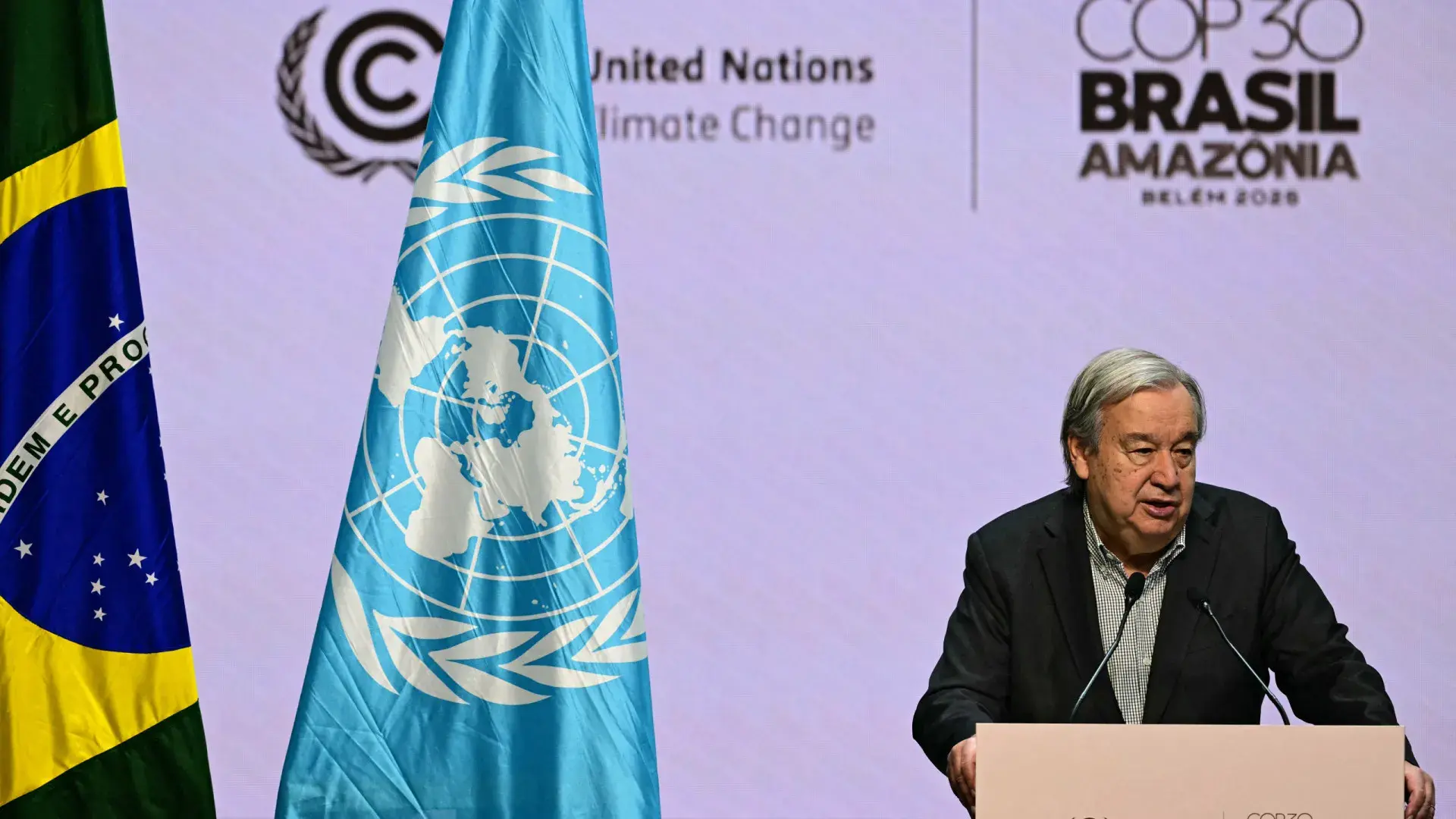
In the midst of the 30th United Nations Climate Change Conference (COP30), held in Belém, Brazil, world leaders and experts gathered to discuss the pressing issue of climate change. The conference, which brought together representatives from over 190 countries, aimed to address the urgent need for collective action to mitigate the effects of global warming. According to one of the participants, a just transition away from fossil fuels is essential to finding a solution to the climate crisis.
The Imperative of a Just Transition
The concept of a just transition refers to the process of transitioning to a low-carbon economy in a way that is fair and equitable for all communities. This involves not only reducing greenhouse gas emissions but also ensuring that workers in the fossil fuel industry are not left behind. The International Labour Organization (ILO) has emphasized the importance of a just transition, stating that it is crucial for achieving a sustainable future.
A just transition requires a multi-faceted approach that involves governments, businesses, and civil society organizations working together to create new job opportunities and provide support to workers who may be displaced by the shift away from fossil fuels. This can include retraining and upskilling programs, as well as social protection measures to ensure that workers and their families are not left vulnerable.
Historical Context: The Paris Agreement and Beyond
The Paris Agreement, adopted in 2015, set a global goal of limiting warming to well below 2°C and pursuing efforts to limit it to 1.5°C above pre-industrial levels. However, the agreement’s success relies heavily on the implementation of national plans to reduce greenhouse gas emissions. The COP30 conference provided a critical opportunity for countries to assess their progress and make new commitments to address the climate crisis.
Future Implications: The Role of Technology and Innovation
The transition to a low-carbon economy will require significant investments in clean energy technologies, such as solar and wind power, as well as energy storage systems. Additionally, innovations in transportation, industry, and agriculture will be essential for reducing emissions and achieving a sustainable future.
The development and deployment of these technologies will require a significant shift in global investment patterns, with a focus on low-carbon infrastructure and clean energy projects. This will not only create new economic opportunities but also help to reduce greenhouse gas emissions and mitigate the effects of climate change.
Conclusion
The 30th United Nations Climate Change Conference highlighted the urgent need for collective action to address the climate crisis. A just transition away from fossil fuels is essential for achieving a sustainable future, and it will require a multi-faceted approach that involves governments, businesses, and civil society organizations working together. As the world looks to the future, it is clear that the transition to a low-carbon economy will be a complex and challenging process, but one that is necessary for the well-being of our planet and its inhabitants.
Key Takeaways:
– A just transition away from fossil fuels is essential for finding a solution to the climate crisis.
– The International Labour Organization (ILO) emphasizes the importance of a just transition for achieving a sustainable future.
– A just transition requires a multi-faceted approach that involves governments, businesses, and civil society organizations working together.
– The transition to a low-carbon economy will require significant investments in clean energy technologies and innovations in transportation, industry, and agriculture.
– The development and deployment of clean energy technologies will create new economic opportunities and help reduce greenhouse gas emissions and mitigate the effects of climate change.