










Train Collision in Córdoba Sparks Emergency Response and Travel Disruptions
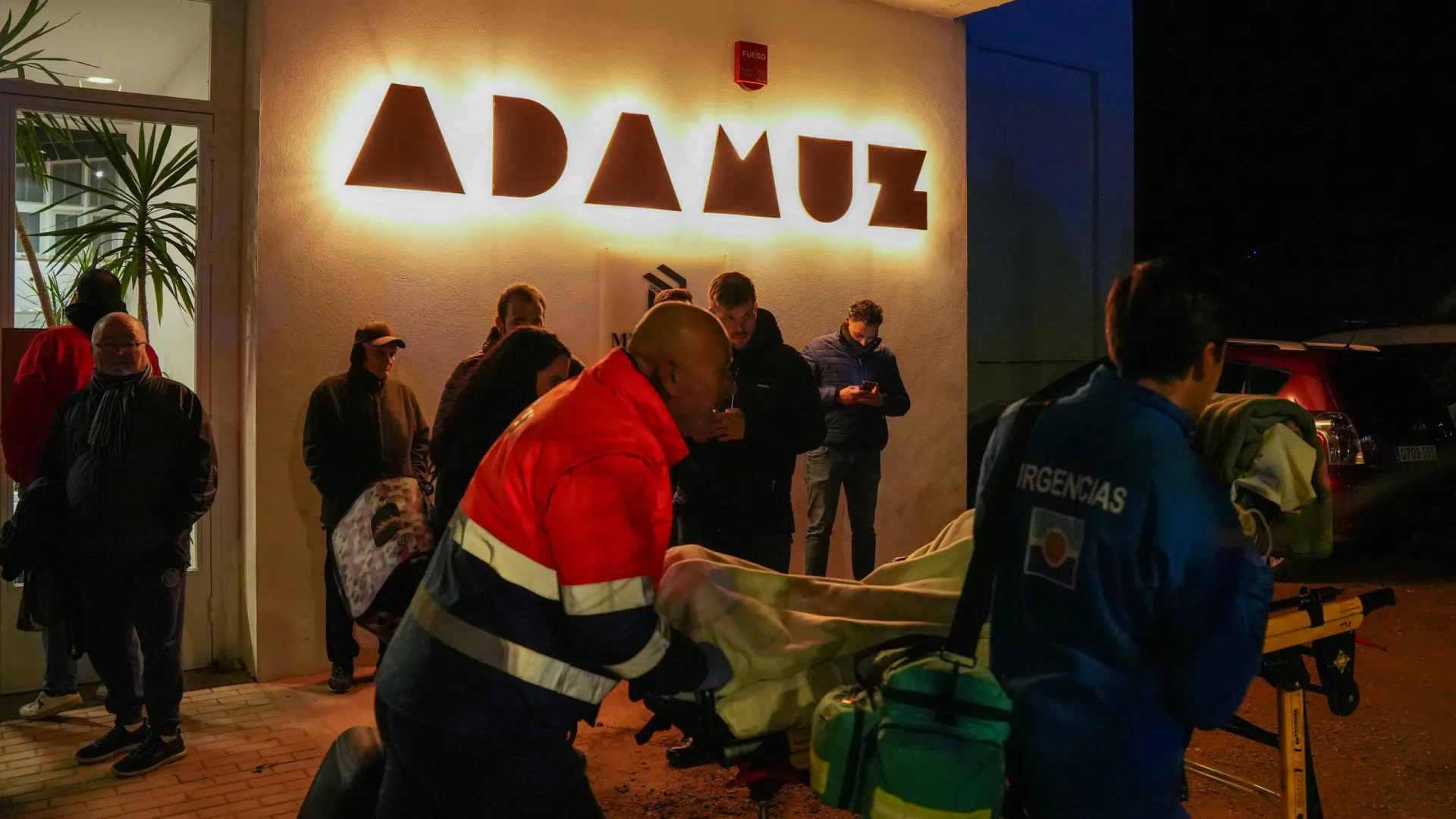
A devastating train collision between Renfe and Iryo compositions occurred in the Córdoba region of Andalusia, Spain, in the early hours of the morning. The incident prompted an immediate response from rescue teams, who worked tirelessly to address the situation. As a result, rail services in various routes across southern Spain were suspended, affecting a significant number of passengers.
Background: Rail Infrastructure in Andalusia
The train network in Andalusia has undergone significant developments in recent years, with the introduction of new rail lines and services. However, the region’s complex geography and growing population have put a strain on the existing infrastructure. The Córdoba region, in particular, is a critical hub for rail traffic, with multiple lines converging on the city. While these developments have improved connectivity and accessibility, they also increase the risk of accidents.
Details of the Incident
According to reports, the collision occurred at approximately 1:00 AM local time, when two trains operated by Renfe and Iryo collided in the Córdoba region. The incident is believed to have resulted from human error, although an investigation is ongoing to determine the exact cause. Emergency services received the first reports of the incident shortly after 2:00 AM, and rescue teams were dispatched to the scene. The extent of the damage and the number of casualties are still being assessed.
Impact on Travel Services
The collision has led to the suspension of rail services in various routes across southern Spain, including high-speed lines connecting Madrid to Seville, Granada, and Cádiz. The disruptions are expected to affect thousands of passengers, with many travelers facing delays and cancellations. Alternative transportation options, including buses and taxis, have been put in place to minimize the impact on travelers.
Historical Context and Future Implications
Train collisions are a rare occurrence in Spain, but they can have significant consequences for the affected communities. The incident in Córdoba serves as a reminder of the importance of prioritizing rail safety and investing in infrastructure that can mitigate the risks associated with high-speed travel. The Spanish government has committed to enhancing rail safety measures in recent years, with a focus on improving signaling systems and increasing staffing levels.
As the investigation into the incident continues, the affected communities will focus on rebuilding and recovery. The incident also highlights the need for ongoing investment in rail infrastructure to ensure the continued safe and efficient operation of train services.
Conclusion
The train collision in Córdoba has caused widespread disruption and concern among travelers and the local community. While the incident is still under investigation, it serves as a stark reminder of the importance of prioritizing rail safety and investing in infrastructure that can mitigate the risks associated with high-speed travel. As the affected communities work towards rebuilding and recovery, the incident will also serve as a catalyst for further investment in rail safety measures and infrastructure development.