










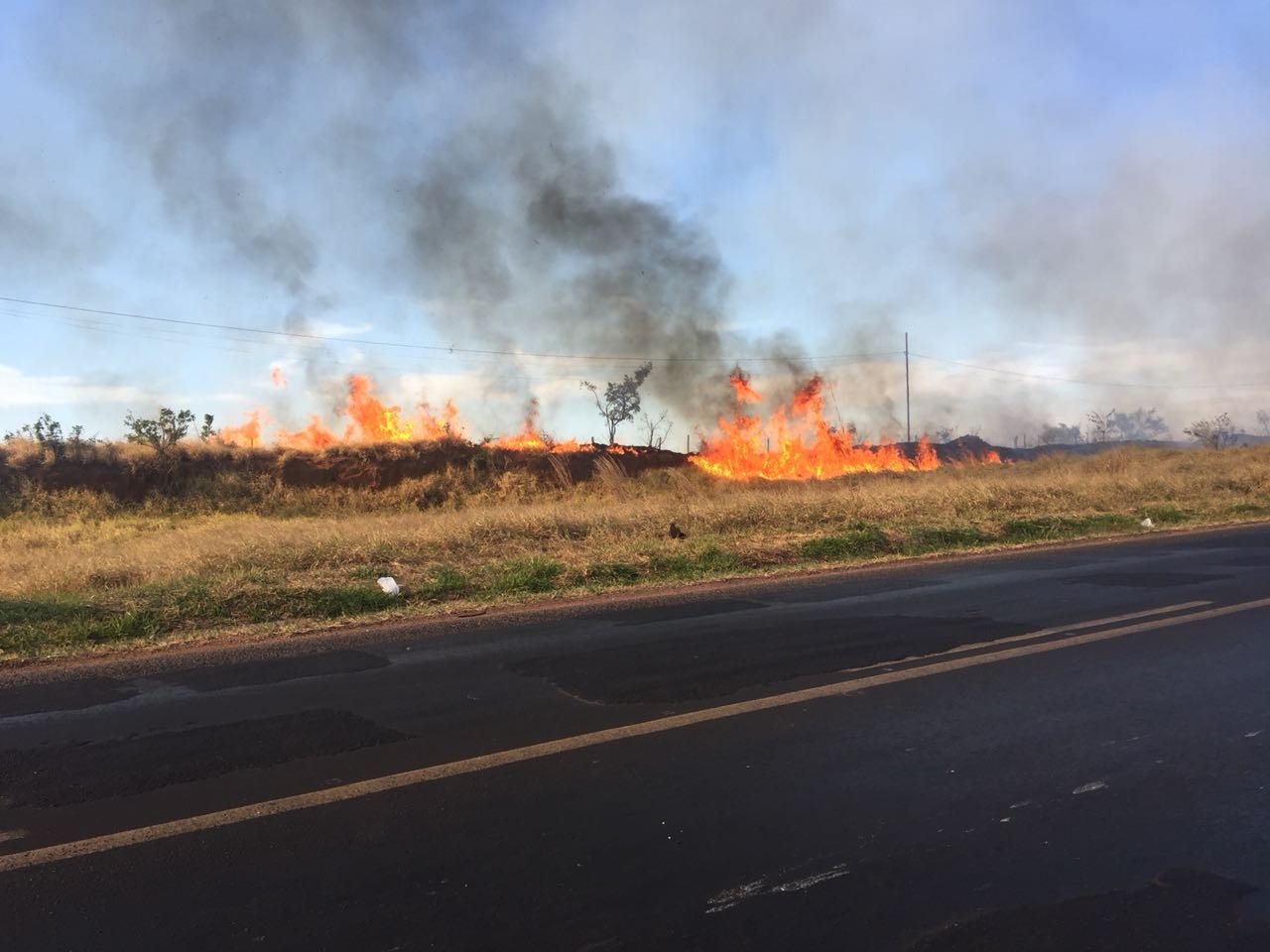
Wildfires Spread in Uberlândia’s Forest Reserve and Pasturelands
In a recent alarming incident, firefighters from the Corpo de Bombeiros (Brazilian Fire Department) have been working tirelessly to contain multiple wildfires that broke out in the LMG-749 area, situated in the Distrito Industrial (Industrial District) of Uberlândia, a city located in the state of Minas Gerais, Brazil. As of the afternoon of Monday, 23rd, four separate fires were reported, with three occurring in pasturelands and one in a forest reserve.
Emergency Response Efforts
According to eyewitnesses and initial reports, the fires were spotted in the early afternoon, prompting an immediate response from the fire department. Three teams, comprising a minimum of nine firefighters, were dispatched to the scene to combat the blazes. Unfortunately, the exact causes of the fires remain unknown at this time.
To ensure public safety, sections of the anel viário Norte (Norte Highway Ring) were temporarily closed, and the Polícia Militar (Militia Police) was called in to assist with traffic management. The Defesa Civil (Civil Defense) and the Departamento Municipal de Água e Esgoto (Municipal Department of Water and Sewage) also provided support to the firefighting efforts.
Environmental Concerns and Implications
The spread of wildfires in forest reserves and pasturelands is a pressing issue in Brazil, particularly in the context of climate change. Rising temperatures and changing precipitation patterns have contributed to an increase in wildfires worldwide, posing significant threats to biodiversity, ecosystems, and human settlements.
In recent years, Uberlândia has faced several instances of wildfires, highlighting the need for effective preventive measures and emergency response strategies. The city’s efforts to combat wildfires should be closely monitored, and lessons learned from these incidents can inform future policies and initiatives aimed at mitigating the impact of these disasters.
Challenges and Future Directions
The containment of wildfires requires a comprehensive approach, involving not only firefighting efforts but also preventive measures, such as enforcing fire safety regulations, promoting sustainable land use practices, and enhancing early warning systems. Moreover, addressing the root causes of wildfires, including climate change, land degradation, and human activities, is crucial to preventing future incidents.
As the world grapples with the challenges of climate change, it is essential to prioritize environmental conservation and emergency preparedness. By learning from past experiences and adopting a proactive approach to wildfire prevention and management, communities can reduce the risks associated with these devastating events.
Conclusion
The recent wildfires in Uberlândia’s forest reserve and pasturelands serve as a stark reminder of the importance of environmental conservation and emergency preparedness. As we strive to mitigate the impacts of climate change, it is crucial to prioritize the protection of our natural resources and develop effective strategies for preventing and responding to wildfires. By working together, we can minimize the risks associated with these disasters and ensure a safer, more sustainable future for generations to come.
Source: g1.globo.com