










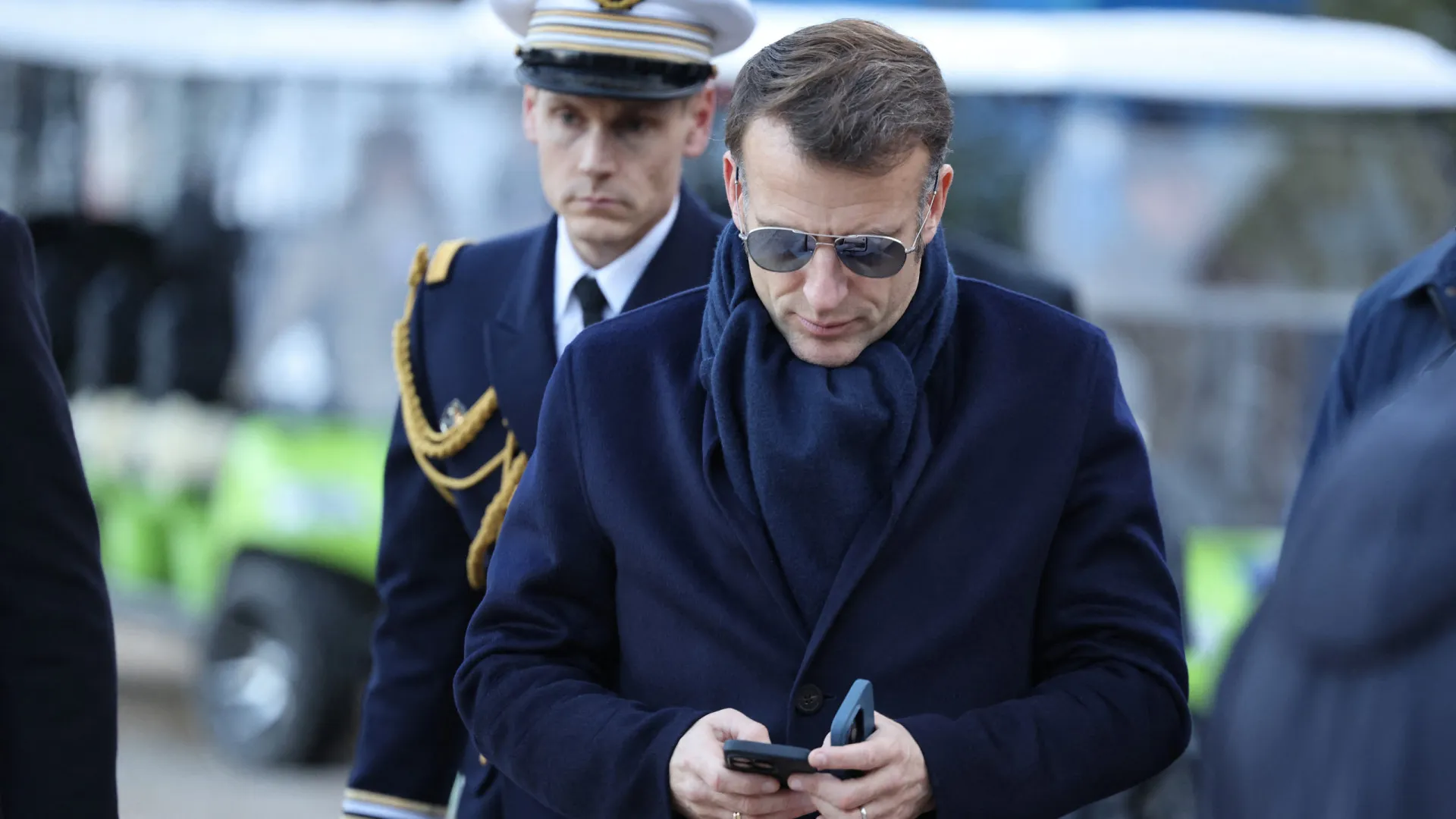
Global Diplomatic Tensions Rise as US President Reveals Greenland Sovereignty Concerns
The recent disclosure by the US President of exchanged messages with European leaders and NATO officials has sparked a heated debate in Paris and at the World Economic Forum in Davos, Switzerland. The conversation centers around Greenland’s sovereignty, diplomatic alignment, and the intricate dynamics of international politics.
A Complex Web of Interests: Understanding the Historical Context
Greenland, a self-governing territory within the Kingdom of Denmark, has long been a focal point of interest for the United States, Europe, and other global powers. In the 1940s, the US proposed to purchase Greenland from Denmark, citing strategic and economic interests, but the idea was ultimately rejected. Since then, the island nation has maintained a delicate balance between its relationship with Denmark and its aspirations for self-governance. The Biden administration’s recent revelations have reignited concerns about the implications of this complex web of interests.
A New Era of Great Power Competition: The Role of NATO and the EU
The NATO alliance has been instrumental in maintaining stability in the North Atlantic region, with Greenland’s strategic location making it a crucial component in the alliance’s defense strategy. The EU, on the other hand, has been actively engaged in promoting Greenland’s economic development and self-governance. Recent attempts by the EU to strengthen ties with Greenland have been viewed with skepticism by the US, which has traditionally maintained a strong presence in the region. The debate over Greenland’s sovereignty has become a microcosm of the broader great power competition between the US, EU, and other global actors.
A Glimpse into the Diplomatic Backrooms: What’s at Stake
The exchanged messages between the US President and European leaders reveal a nuanced understanding of the complexities surrounding Greenland’s sovereignty. The EU’s attempts to strengthen ties with Greenland have been seen as a means to counterbalance the US’s influence in the region. Meanwhile, the US has expressed concerns about the implications of Greenland’s self-governance on its own strategic interests. The debate has sparked a wider discussion about the boundaries of national sovereignty, the role of international institutions, and the need for greater global cooperation in addressing the challenges of the 21st century.
Conclusion: A New Chapter in International Relations
The recent revelations have exposed the intricate dynamics of international politics and the complex web of interests surrounding Greenland’s sovereignty. As global powers continue to navigate the shifting landscape of international relations, it is essential to recognize the importance of diplomatic engagement and cooperation in addressing the challenges of the modern era. The debate over Greenland’s sovereignty serves as a timely reminder of the need for greater transparency and dialogue in international diplomacy, ensuring that the interests of all nations are respected and protected.