










The Devastating Power of Tornadoes: Understanding the Fury of Nature
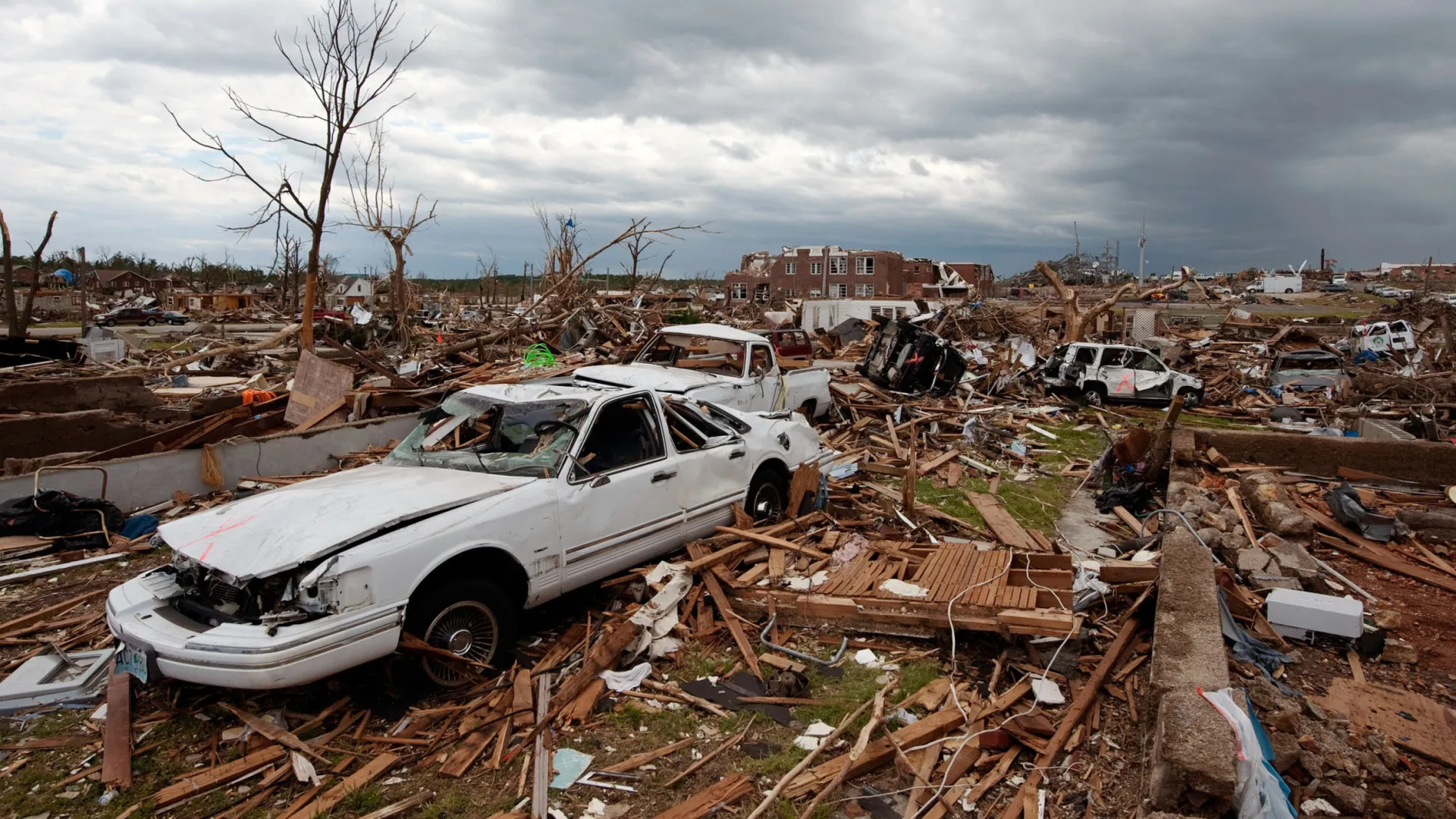
Tornadoes have long been a source of fascination and terror for humans. These colossal columns of air can bring even the most developed cities to their knees, leaving a trail of destruction in their wake. In this article, we will delve into the world of tornadoes, exploring their formation, history, and the devastating impact they have on communities worldwide.
The Science Behind Tornadoes
Tornadoes are rotating columns of air that form during severe thunderstorms. They are created when a combination of atmospheric conditions come together, including warm, moist air near the surface, cooler air above, and wind shear. As these conditions interact, they can create a rotating updraft, known as a mesocyclone, which can eventually touch the ground and become a tornado. The exact mechanisms behind tornado formation are still not fully understood, but research has made significant progress in recent years.
A Historical Perspective on Tornadoes
Tornadoes have been a part of human history for centuries. One of the earliest recorded tornadoes dates back to ancient Greece, where it was described as a “whirlwind” that destroyed a city. In the United States, tornadoes have been a major concern since the early 20th century, with the first recorded tornado fatality occurring in 1884. The tornado that struck Tri-State, Missouri, Oklahoma, and Kansas in 1925 is considered one of the deadliest in U.S. history, with 695 fatalities.
The Impact of Tornadoes on Communities
Tornadoes have a profound impact on the communities they affect. The destruction caused by these storms can be catastrophic, leaving thousands of people without homes, infrastructure, and basic necessities. The economic impact of tornadoes is also significant, with damage estimates ranging from millions to billions of dollars. In addition to the immediate effects, tornadoes can also have long-term consequences, including mental health issues, displacement, and a lasting impact on the local economy.
Mitigating the Risk of Tornadoes
While tornadoes are unpredictable and often deadly, there are steps that can be taken to mitigate their impact. Early warning systems, such as tornado sirens and cell phone alerts, can provide critical minutes or even hours of warning time for those in the affected area. Building codes and emergency preparedness plans can also help minimize the damage caused by tornadoes. Furthermore, research into tornado prediction and detection is ongoing, with scientists using advanced computer models and data analysis to better understand these complex storms.
Conclusion
Tornadoes are a powerful reminder of the fury of nature. While we can never fully predict or prevent these storms, we can take steps to mitigate their impact. By understanding the science behind tornadoes, learning from historical events, and investing in research and mitigation efforts, we can work towards reducing the devastating effects of these storms. As we continue to explore the mysteries of tornadoes, we are reminded of the importance of respecting and preparing for the power of nature.
Keyword optimization:
– Tornadoes
– Severe thunderstorms
– Atmospheric conditions
– Wind shear
– Mesocyclone
– Tornado formation
– Tornado history
– Tornado impact
– Community resilience
– Mitigation efforts
– Early warning systems
– Building codes
– Emergency preparedness plans
SEO optimization:
– **Meta description:** “Explore the science behind tornadoes, their history, and the devastating impact they have on communities worldwide.”
– **Header tags:**
The Devastating Power of Tornadoes: Understanding the Fury of Nature
,
The Science Behind Tornadoes
,
A Historical Perspective on Tornadoes
,
The Impact of Tornadoes on Communities
,
Mitigating the Risk of Tornadoes
– **Image optimization:** Incorporate relevant images and graphics to illustrate the article’s content, including diagrams of tornado formation, historical images of tornado damage, and images of communities affected by tornadoes.
– **Internal linking:** Link to relevant articles or resources that provide additional information on topics such as tornado science, history, and mitigation efforts.