





Iran’s Supreme Leader Khamenei Reportedly Alive Amid Ongoing Protests
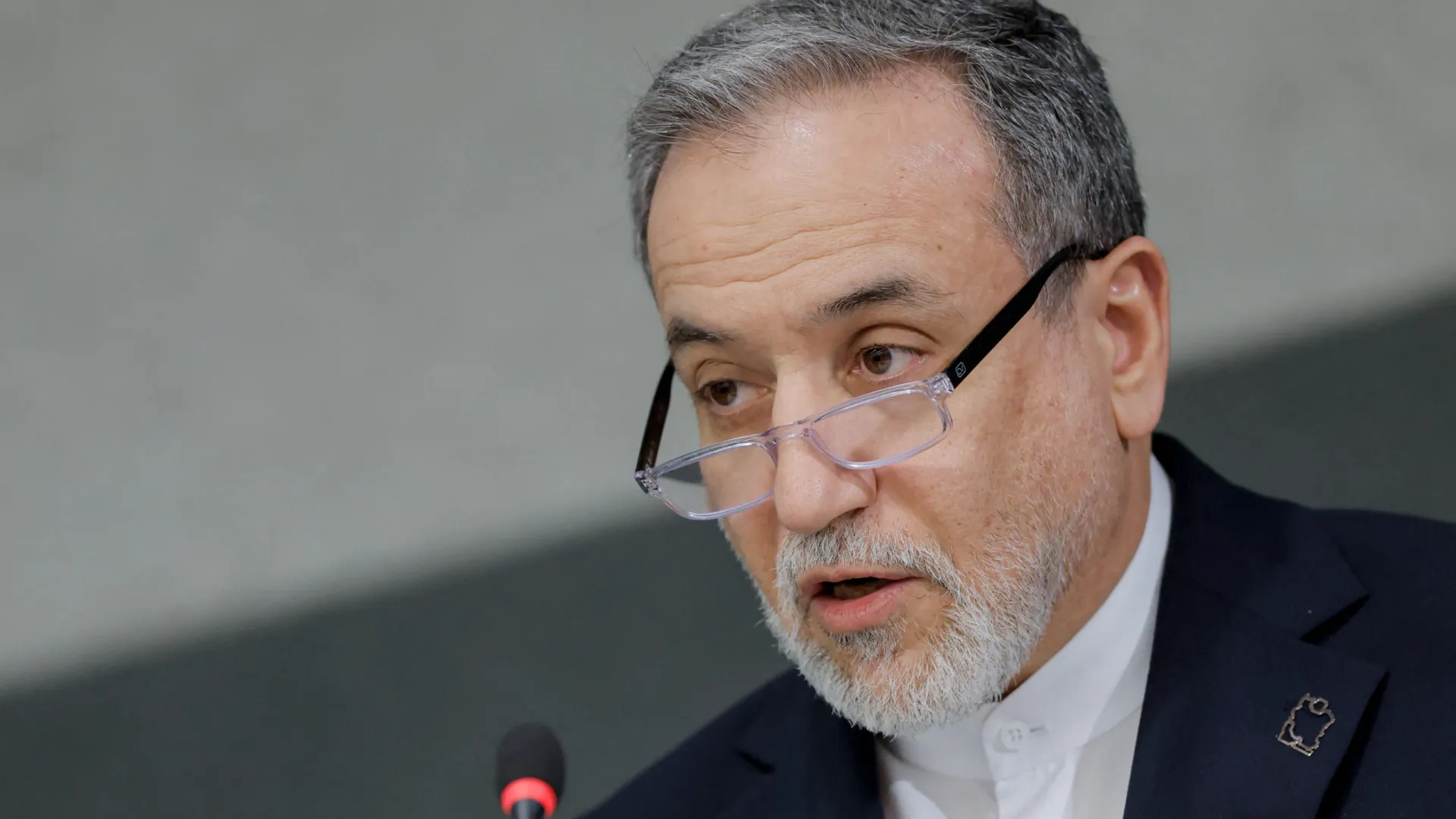
In a recent address to an American broadcaster, Iran’s Chancellor, speaking on condition of anonymity, stated that Supreme Leader Ayatollah Ali Khamenei remains alive. The official also confirmed that high-ranking government officials are in a state of safety. According to the Chancellor, all personnel are now in their designated positions, and the situation is being handled effectively, assuring that everything is under control. Noting potential losses, the Chancellor mentioned that some military commanders might have been lost, but this, in their opinion, is not a significant issue.
Background: The Ongoing Protests in Iran
The statement comes at a time of heightened tensions and widespread protests in Iran, with citizens taking to the streets to express their discontent with the government’s handling of various issues. The demonstrations have been met with a strong response from security forces, resulting in reports of casualties and arrests. The protests are seen as a challenge to the authority of the ruling establishment, with many Iranians demanding greater freedoms, better living conditions, and an end to corruption.
Historical Context: Iran’s Protests and Suppression
This is not the first time that Iran has experienced widespread protests and unrest. In the past, the government has responded with force, often resulting in the suppression of dissent. The 2009 Green Movement, which followed the presidential election, is a notable example of a large-scale protest movement being put down by the authorities. The current protests, however, seem to be more widespread and sustained, with many Iranians employing social media to organize and mobilize.
The Role of Social Media in Iran’s Protests
Social media platforms have played a significant role in the ongoing protests in Iran, with many Iranians using these tools to share information, coordinate actions, and express their grievances. The government, however, has responded by blocking access to these platforms, in an attempt to restrict the flow of information and limit the spread of dissent. Despite these efforts, social media continues to play a crucial role in the protests, with many Iranians finding ways to circumvent the blocks and continue their online activism.
Implications and Future Prospects
The situation in Iran remains fluid, with the government struggling to maintain control in the face of widespread protests. The statement from the Chancellor, while assuring, may not be entirely accurate, as reports from the ground suggest that the situation is far more complex and volatile. The outcome of the protests remains uncertain, but one thing is clear: the Iranian people will continue to demand greater freedoms and a more just society, and the government will have to respond to these demands in some way.
In conclusion, the situation in Iran remains a complex and rapidly evolving one, with the government struggling to maintain control in the face of widespread protests. While the statement from the Chancellor may be reassuring, it is essential to remember that the situation on the ground is far more nuanced and volatile. The Iranian people will continue to demand greater freedoms and a more just society, and the government will have to respond to these demands in some way.