










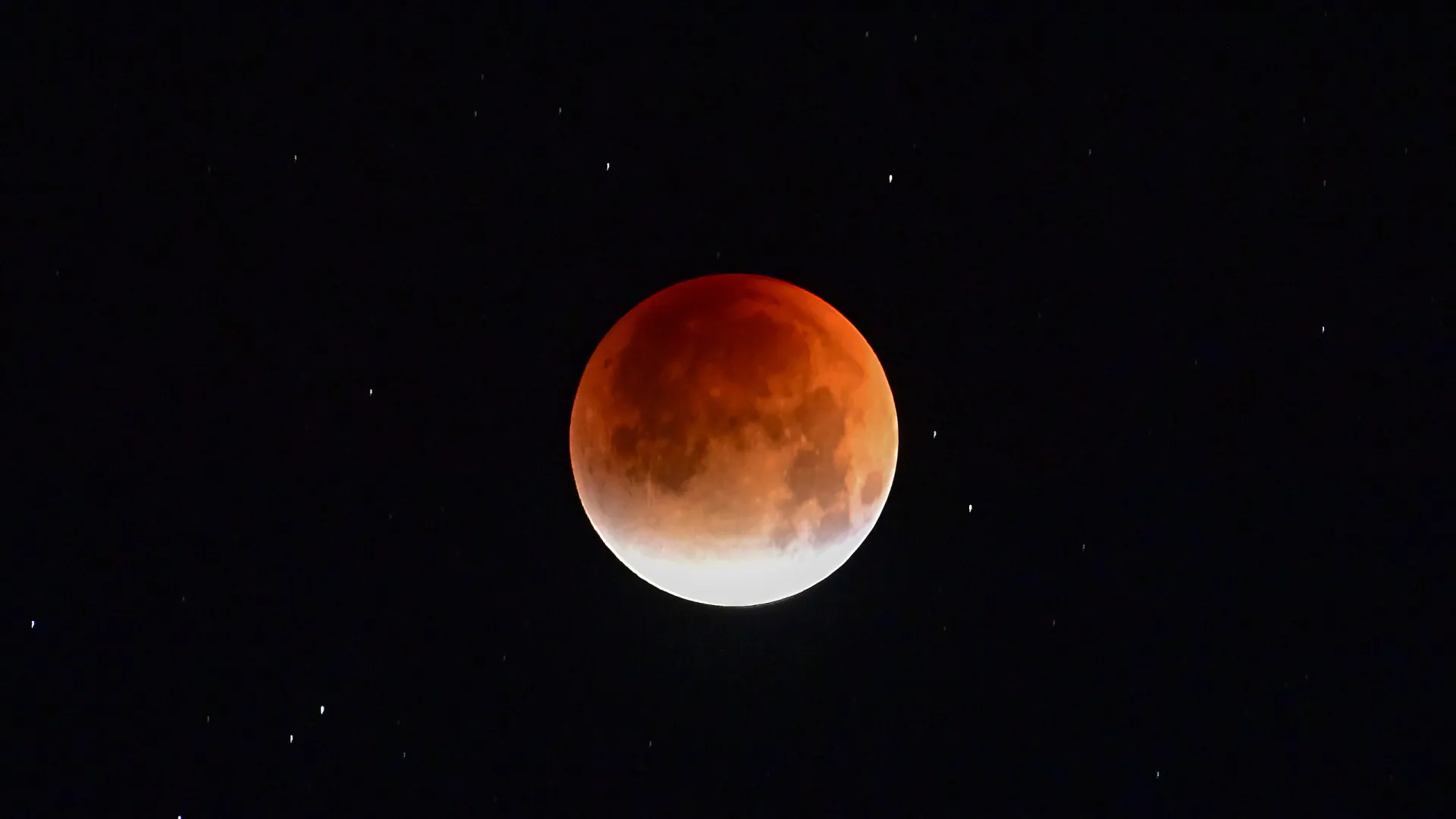
Total Solar Eclipse: A Rare Celestial Event Unfolds
On March 3, a rare and awe-inspiring phenomenon will unfold as the Earth, Moon, and Sun align in a precise celestial ballet, giving birth to a total solar eclipse. This extraordinary event has captivated human imagination for centuries, and its occurrence has been eagerly anticipated by astronomers and space enthusiasts worldwide.
What is a Total Solar Eclipse?
A total solar eclipse occurs when the Moon passes directly between the Earth and the Sun, casting a shadow on the Earth’s surface. This phenomenon requires a specific alignment of the three celestial bodies, a rare occurrence due to the Moon’s elliptical orbit and the Earth’s slightly tilted axis. As the Moon’s shadow falls on a particular region of the Earth, it creates a narrow path of totality, where observers can witness the eclipse in all its glory.
Historical Significance and Context
Total solar eclipses have been observed and documented throughout history, with ancient civilizations often regarding them as omens or harbingers of significant events. In ancient Greece, for example, eclipses were attributed to the gods, while in China, they were seen as signs of impending doom. Today, we understand that total solar eclipses are natural events, governed by the laws of astronomy.
The 2024 total solar eclipse will be visible in parts of North America, including the United States, Mexico, and Canada. This event marks the first total solar eclipse to occur in the United States since 2017, when a total solar eclipse was visible across the country. The 2024 eclipse is expected to be visible from a narrow path stretching from Texas to Maine, with observers in this region witnessing the eclipse in its entirety.
Preparations and Safety
As the eclipse approaches, astronomers and space agencies are preparing for a massive influx of observers, both amateur and professional. To ensure a safe and enjoyable experience for all, experts are urging viewers to take necessary precautions, including using specialized solar viewing glasses or handheld solar viewers to avoid eye damage from direct sunlight. Additionally, observers are advised to seek out designated eclipse viewing areas, where experts will be on hand to provide guidance and answer questions.
Conclusion
The 2024 total solar eclipse offers a rare opportunity for observers to witness a breathtaking celestial event, one that has captivated human imagination for centuries. As we prepare to witness this phenomenon, we are reminded of the awe-inspiring power and beauty of the universe, and the importance of continued scientific exploration and discovery. Whether you are an experienced astronomer or a curious observer, the 2024 total solar eclipse is an event not to be missed.
Source: Notícias ao Minuto Brasil – Tech