










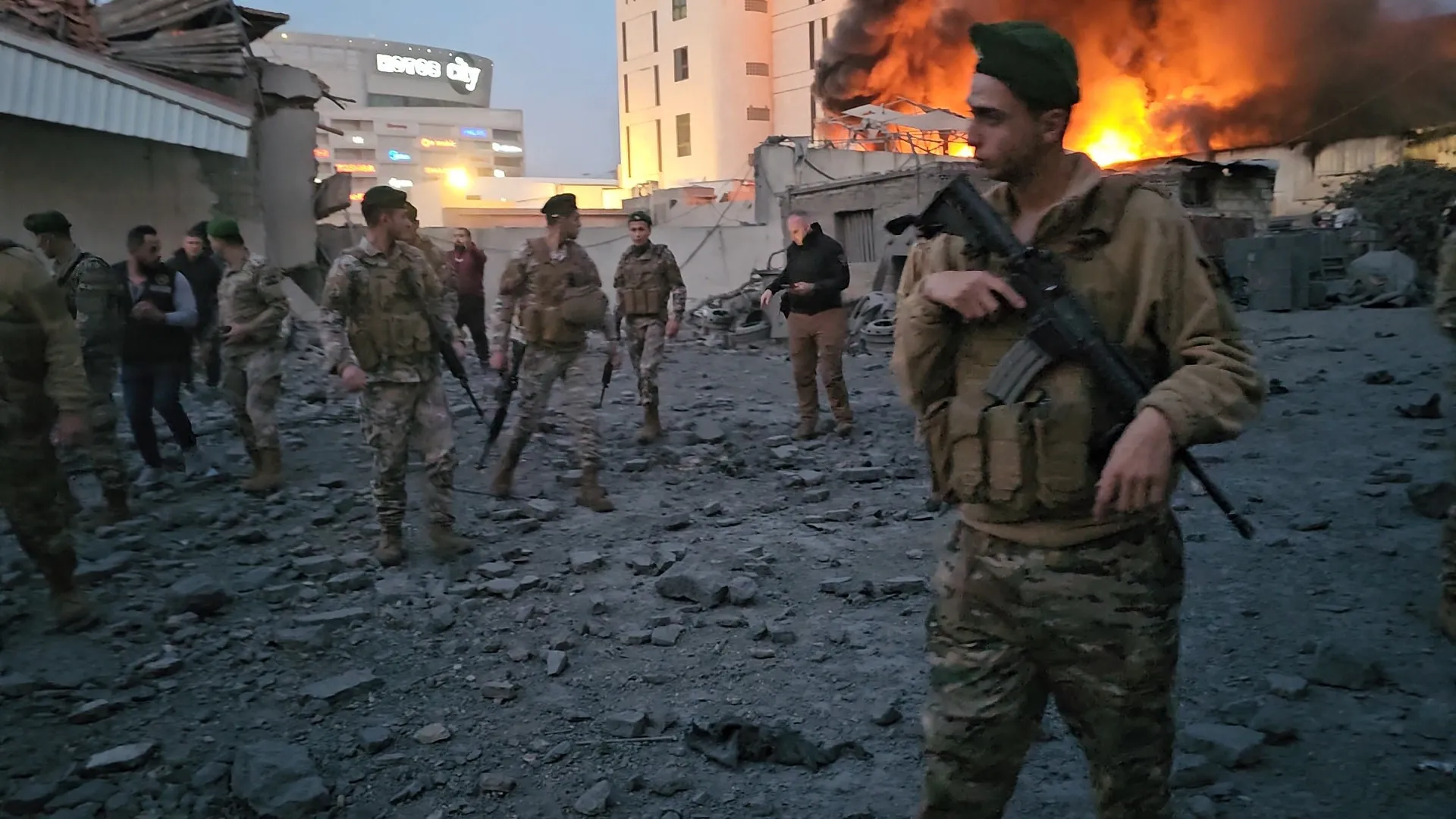
Escalating Tensions in the Levant: Israeli Occupation of Lebanese Territory
In the midst of the ongoing conflict in the Gaza Strip, a fragile ceasefire has been established, bringing an end to the intense fighting between Israeli forces and the Lebanese militia. However, the relative calm has not led to a complete resolution of the conflict, as Israel has continued to occupy five locations within Lebanese territory since November 2024.
A Brief History of Conflict in the Levant
The Levant region has been plagued by conflict for decades, with the Israeli-Palestinian dispute at its core. The latest escalation of tensions in the Gaza Strip, which began in 2024, has led to a significant increase in violence and a deepening of the humanitarian crisis. The Israeli occupation of Lebanese territory is a stark reminder of the complex and volatile nature of the region.
Israeli Occupation of Lebanese Territory
The Israeli occupation of Lebanese territory is a sensitive and highly contentious issue. According to reports, Israeli forces have established a presence in five locations, sparking widespread concern and condemnation from the international community. The occupation is a clear breach of Lebanon’s sovereignty and territorial integrity, and has been denounced by the Lebanese government as a “flagrant violation” of international law.
Regional Implications and Future Prospects
The Israeli occupation of Lebanese territory has significant implications for the region. It has the potential to further destabilize the already fragile peace process in the Levant, and may lead to a renewed escalation of violence. The international community has called for a swift withdrawal of Israeli forces from Lebanese territory, and for a return to the negotiating table. The prospects for a lasting peace in the region remain uncertain, but one thing is clear: the Israeli occupation of Lebanese territory is a major obstacle to achieving a lasting resolution to the conflict.
Historical Context: The 2006 Lebanon War
The Israeli occupation of Lebanese territory is not without precedent. In 2006, Israel launched a large-scale military operation in Lebanon, known as Operation Change of Direction, in response to the kidnapping of Israeli soldiers by the Lebanese militia. The war resulted in significant destruction and loss of life, and had a profound impact on the region. The current occupation is a reminder of the ongoing cycle of violence and conflict in the Levant, and highlights the need for a peaceful and lasting resolution to the Israeli-Palestinian dispute.
Conclusion
The Israeli occupation of Lebanese territory is a stark reminder of the complex and volatile nature of the Levant region. The occupation has significant implications for the region, and has the potential to further destabilize the already fragile peace process. The international community must come together to call for a swift withdrawal of Israeli forces from Lebanese territory, and for a return to the negotiating table. Only through a peaceful and lasting resolution to the Israeli-Palestinian dispute can the region hope to achieve lasting peace and stability.
**Keywords:** Israeli occupation, Lebanese territory, Levant region, Gaza Strip, conflict, ceasefire, humanitarian crisis, international law, sovereignty, territorial integrity, peace process, diplomacy, conflict resolution.