










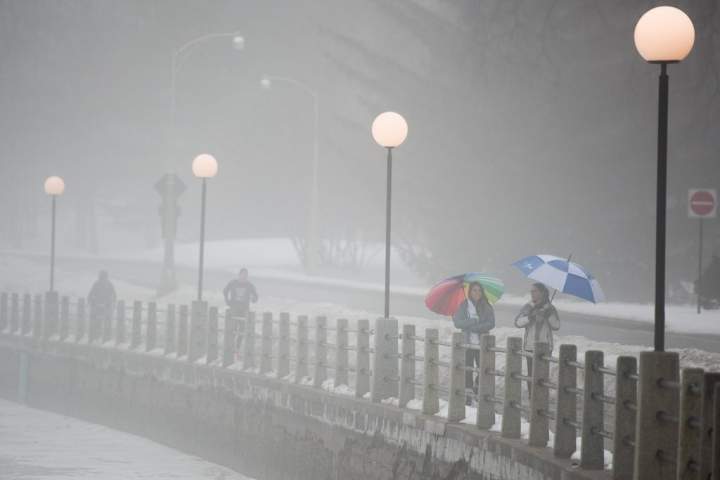
Ontario Braces for Heavy Rainfall and Potential Flooding
Environment Canada has issued a warning for parts of Ontario, predicting up to 40 millimeters of rainfall and melting snow that could lead to severe flooding and hazardous driving conditions. This timely alert serves as a stark reminder of the province’s vulnerability to extreme weather events.
Historical Context and Implications
Ontario’s geography, characterized by vast lakes, rivers, and wetlands, makes it particularly susceptible to flooding. The region’s climate is also subject to significant temperature fluctuations, which can exacerbate the effects of heavy rainfall. In recent years, Ontario has experienced several devastating flooding events, including the 2013 Ice Jam Flood in the Ottawa Valley, which caused widespread damage and displacement. This latest warning highlights the importance of preparedness and vigilance in the face of such events.
Current Weather Assessment and Forecast
According to Environment Canada, a low-pressure system is moving across the Great Lakes, bringing with it a significant amount of moisture. The resulting precipitation is expected to be heavy at times, leading to rapid snowmelt and rising water levels. In areas where the ground is already saturated, the risk of flooding and landslides increases significantly. Drivers are advised to exercise extreme caution, as roads may become slippery and impassable.
Precautionary Measures and Recommendations
Residents in affected areas are urged to take necessary precautions to protect themselves and their property. This includes securing loose outdoor items, such as patio furniture and trash cans, and keeping a safe distance from fast-flowing water. If you’re planning to travel, check the latest road conditions and weather forecasts before embarking on your journey. In the event of an emergency, stay informed through reliable sources and follow all instructions from local authorities.
Long-Term Consequences and Adaptation Strategies
As the frequency and severity of extreme weather events continue to rise, it’s essential for communities to develop and implement effective adaptation strategies. This may involve investing in flood mitigation infrastructure, such as levees and stormwater management systems, as well as promoting sustainable land-use practices that minimize the risk of flooding. By working together, we can reduce the impact of such events and build more resilient communities.
In conclusion, the warning issued by Environment Canada highlights the need for residents in Ontario to remain vigilant and prepared for the potential effects of heavy rainfall and melting snow. By staying informed and taking necessary precautions, we can minimize the risks associated with extreme weather events and build a more resilient future for ourselves and future generations.
Source: globalnews.ca