







US-Cuba Relations: A Complex Web of Diplomacy and Rhetoric
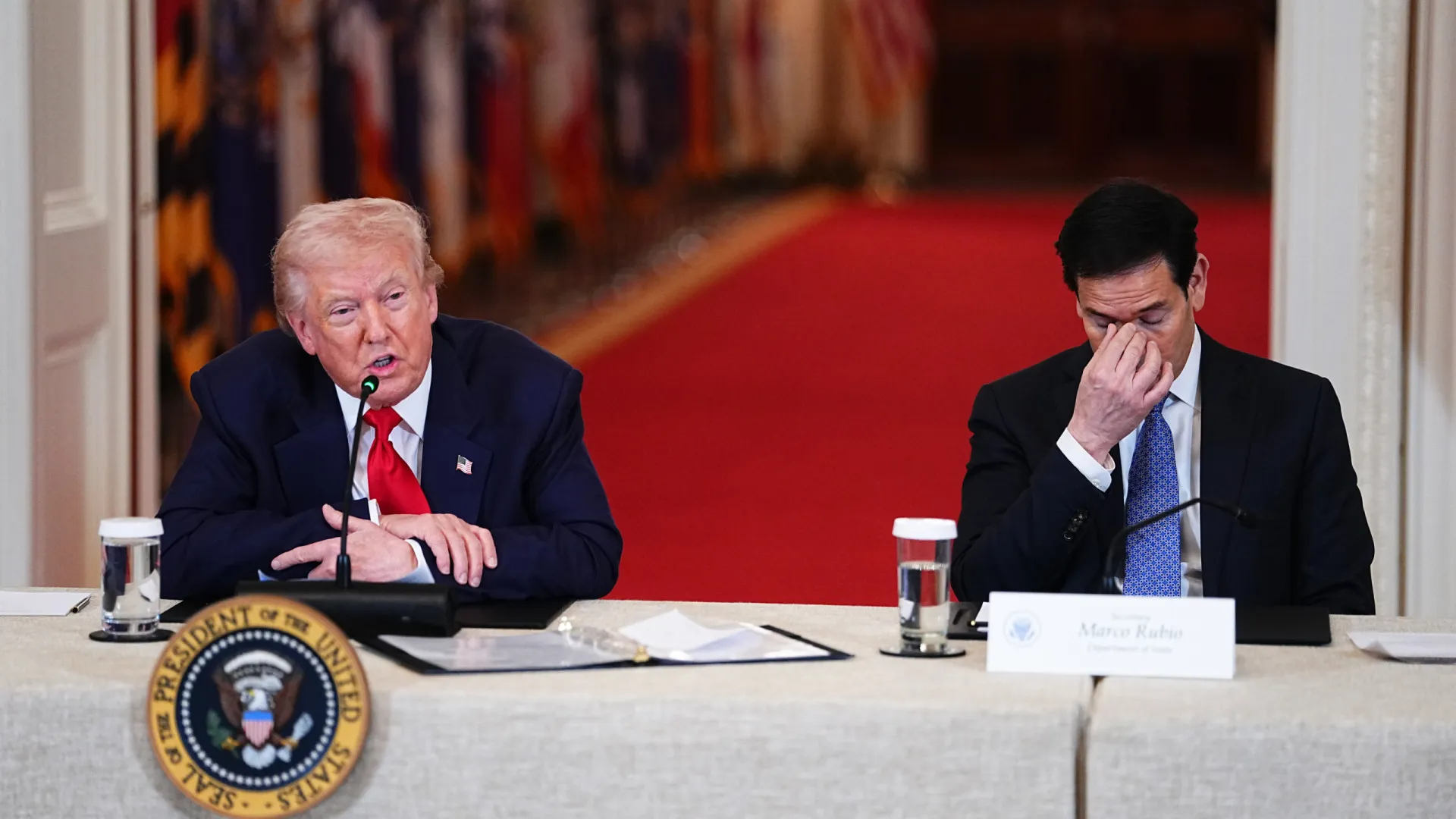
In a recent statement, US President Donald Trump asserted that Cuba is on its “last moments of life,” while also claiming to be in negotiations with the Cuban government. However, the reality of US-Cuba relations is far more complex and multifaceted than a simple declaration of intent.
A Brief History of US-Cuba Relations
The relationship between the United States and Cuba has been marked by periods of tension and rapprochement. In 1960, the US imposed a trade embargo on Cuba following the socialist revolution led by Fidel Castro. This embargo has remained in place for over six decades, with the US government citing human rights concerns and national security interests as justification.
In 2015, the Obama administration took a significant step towards normalizing relations with Cuba, easing travel and trade restrictions. However, this shift in policy was reversed by the Trump administration in 2017, which re-imposed restrictions on US travel to Cuba and prohibited US businesses from engaging in transactions with entities linked to the Cuban military.
The Current State of US-Cuba Relations
President Trump’s recent statement on Cuba’s “last moments of life” is likely a reference to the ongoing economic and social challenges facing the island nation. Cuba has been struggling to recover from a severe economic crisis, exacerbated by a decline in tourism and remittances from the US. The country’s economy remains heavily reliant on state-owned enterprises and foreign aid.
Despite the challenges, Cuba has made significant progress in recent years in areas such as healthcare and education. The country’s healthcare system is widely regarded as one of the best in the region, and its literacy rate is among the highest.
A New Era for US-Cuba Relations?
President Trump’s assertion that he is negotiating with Cuba raises questions about the potential for a new era in US-Cuba relations. However, the details of these negotiations remain unclear.
In recent years, there have been efforts to promote people-to-people diplomacy between the US and Cuba, including cultural exchanges and educational programs. These initiatives have helped to build bridges between the two nations and promote greater understanding and cooperation.
Conclusion
The complex web of US-Cuba relations is likely to continue evolving in the coming months and years. While President Trump’s recent statement has generated headlines, the reality of US-Cuba relations is far more nuanced. As the two nations navigate their differences, it is essential to prioritize diplomacy and dialogue, rather than rhetoric and posturing.
Ultimately, a new era of US-Cuba relations will require a commitment to cooperation and mutual understanding. By working together, the US and Cuba can build a more stable and prosperous future for both nations.