










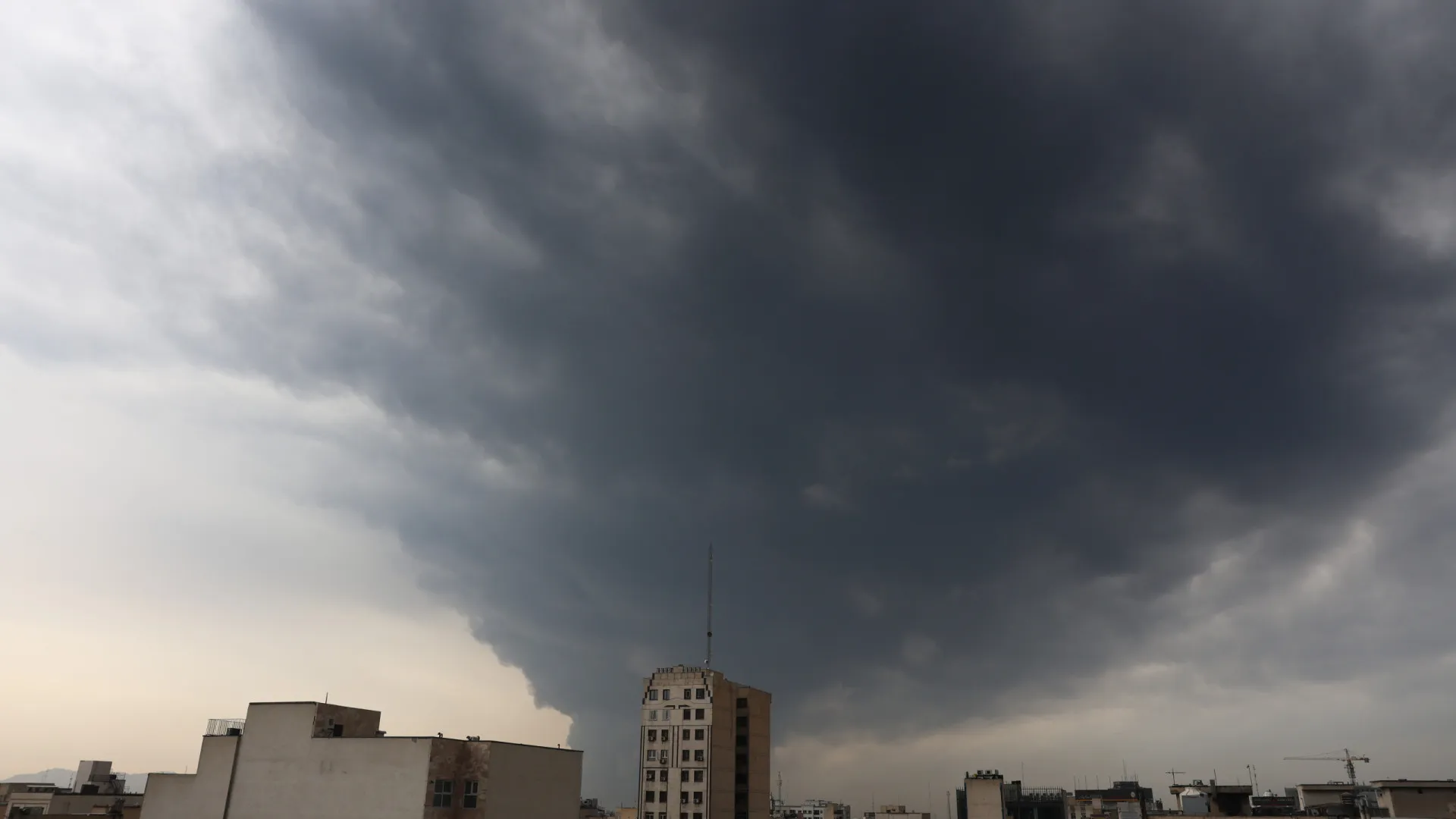
Iran’s Fuel Distribution Halted Amid Escalating Tensions with the US and Israel
In the midst of escalating tensions between Iran and its Western adversaries, the distribution of fuel in the Iranian capital, Tehran, has been temporarily halted following a series of airstrikes by the United States and Israel targeting oil depots in the city. Local authorities have confirmed the disruption, resulting in the imposition of a gas rationing scheme to mitigate the effects of the shortage.
Background of Escalating Tensions
The recent developments in Tehran are a manifestation of the ongoing, long-standing tensions between Iran and its Western enemies, particularly the United States. The complex history of the Iran-US relationship dates back to the 1979 Iranian Revolution, which led to the establishment of an Islamic theocracy and the nationalization of the country’s oil industry. The 1980s saw a series of military skirmishes between the two nations, including a US-led invasion of Iraq with the intention of pushing back Iranian forces.
However, the tensions have intensified in recent years, particularly since the signing of the Joint Comprehensive Plan of Action (JCPOA) in 2015, which granted Iran relief from economic sanctions in exchange for curbs on its nuclear program. The US withdrawal from the agreement in 2018 marked a significant escalation in the conflict, with the reimposition of economic sanctions and subsequent attacks on Iranian targets, including the assassination of top Iranian military commander Qasem Soleimani in January 2020.
Implications of the Airstrikes
The recent airstrikes on Iranian oil depots have resulted in a significant disruption to the country’s fuel distribution network. As the authorities have initiated a gas rationing scheme, residents in Tehran are facing a severe shortage of fuel, exacerbating the already dire economic situation. The rations are set to remain in place until the distribution network is restored to normal, raising concerns about the impact on the country’s economy and the daily lives of its citizens.
Global Implications and Future Outlook
The escalating tensions between Iran and its Western adversaries have significant implications for the global oil market. As the world’s fifth-largest oil producer, Iran plays a crucial role in maintaining global oil supplies. The disruption to its fuel distribution network, coupled with the imposition of sanctions, has the potential to send oil prices soaring, impacting global energy markets and economies.
In conclusion, the temporary halt in fuel distribution in Tehran is a stark reminder of the ongoing tensions between Iran and its Western enemies. As the situation continues to unfold, the international community is bracing for the potential consequences of the escalating conflict, including a significant impact on the global oil market and a further deterioration of the economic situation in Iran.