







Severe Weather Alert: São Paulo Braces for Intense Rainfall
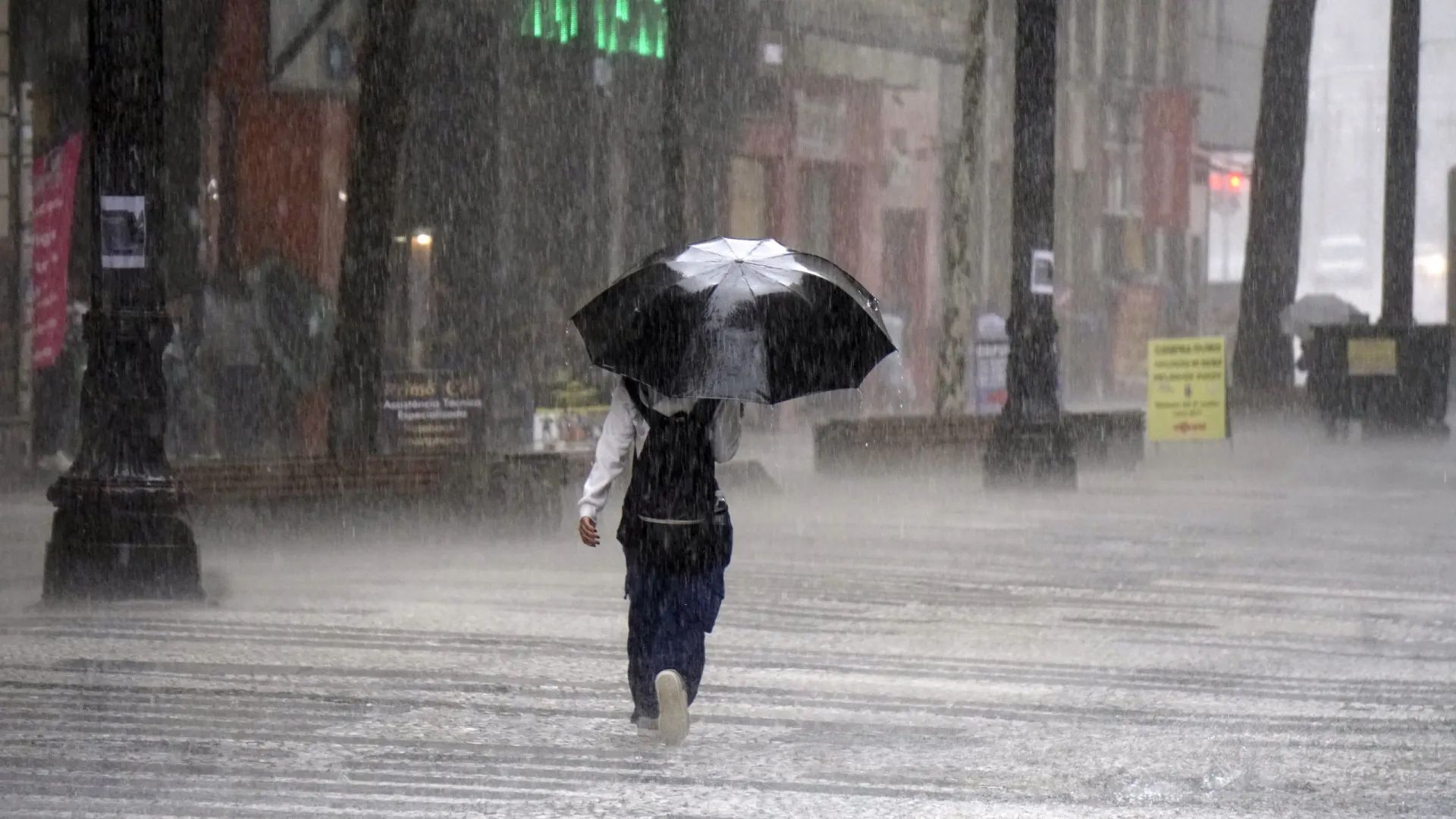
São Paulo, Brazil – Monday, March 9, marked the beginning of a prolonged period of heavy rainfall in several regions of the state of São Paulo, including the capital city. The Defesa Civil do Estado de São Paulo, the state’s civil defense agency, had issued a warning on the previous day, forecasting intense precipitation to continue through at least Wednesday, March 11.
The impending weather system has raised concerns among residents and authorities alike, as heavy rainfall can often lead to flash flooding, landslides, and power outages. In recent years, São Paulo has experienced several severe weather events, including a devastating flood in 2010 that left thousands of people homeless.
Understanding the Hydrological Cycle in São Paulo
São Paulo’s geography and climate play a significant role in the state’s susceptibility to intense rainfall events. The region’s complex hydrological cycle, which involves the movement of water from the Atlantic Ocean to the Atlantic coast, creates a unique environment where heavy rainfall can occur. The state’s numerous rivers, including the Tietê and Paraná, can overflow during periods of intense precipitation, causing widespread flooding.
In addition to the Defesa Civil’s warning, the Brazilian National Meteorological Institute (INMET) has also issued a weather alert for several regions in São Paulo, including the capital city, highlighting the potential for heavy rainfall and strong winds. The alert has prompted authorities to take precautionary measures, including deploying emergency services and preparing evacuation routes.
Historical Context: São Paulo’s Weather Patterns
São Paulo’s weather patterns are influenced by its location in the southeastern region of Brazil, where the climate is characterized by high temperatures and humidity during the summer months. The state’s topography, which includes mountains and valleys, can also contribute to the formation of rain-bearing systems. Historically, São Paulo has experienced several periods of intense rainfall, including the 1992 flood, which caused significant damage to the city’s infrastructure.
The current weather system is expected to affect not only São Paulo but also neighboring states, including Minas Gerais and Paraná. Residents are advised to remain vigilant and follow local authorities’ instructions to ensure their safety.
Conclusion
As the heavy rainfall continues to affect São Paulo, residents and authorities must remain vigilant and take necessary precautions to mitigate the impact of the weather system. The Defesa Civil’s warning and INMET’s weather alert highlight the importance of preparedness and emergency planning in the face of severe weather events. By understanding the hydrological cycle and historical weather patterns in São Paulo, residents can better prepare for and respond to these events, ultimately reducing the risk of damage and loss of life.