









NASA’s Van Allen Probes: A Decade of Exploring the Earth’s Radiation Belts
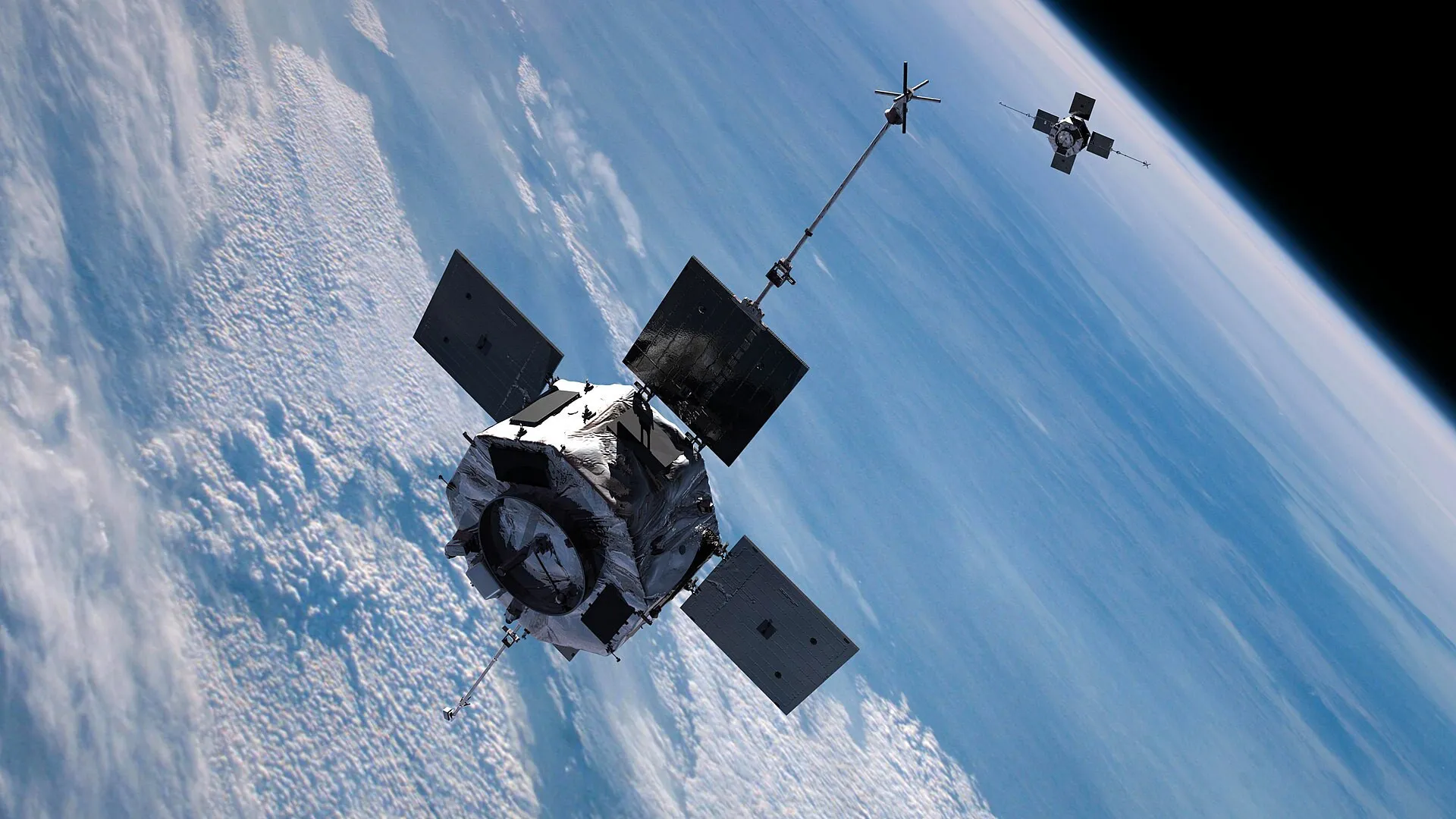
The Van Allen Probes, launched in 2012 by the National Aeronautics and Space Administration (NASA), were designed to study the Earth’s radiation belts, a region around our planet filled with high-energy particles. After nearly a decade of operational service, the space agency has revealed that certain components of the probes may survive re-entry into the Earth’s atmosphere, sparking concerns about potential debris damage.
The Van Allen Probes: A Brief History
The Van Allen Probes were part of a broader scientific endeavor to understand the Earth’s radiation environment, which poses a significant threat to both crewed and uncrewed spacecraft. The radiation belts, named after physicist James Van Allen, who first detected them in the 1950s, are comprised of high-energy electrons and protons trapped by the Earth’s magnetic field. Understanding the dynamics of these belts is crucial for ensuring the safety of spacecraft and astronauts.
The Challenges of Re-Entry
Re-entry into the Earth’s atmosphere poses a significant challenge for space agencies, as the intense heat generated during descent can cause components to melt or disintegrate. However, NASA officials have stated that the risk of debris from the Van Allen Probes causing harm to people is considered low. To mitigate this risk, the space agency has implemented a debris mitigation strategy, which includes designing the probes to break apart in a controlled manner, reducing the likelihood of large debris pieces surviving re-entry.
Historical Context: Space Debris Concerns
The Van Allen Probes’ potential re-entry is not an isolated incident. Space debris has become a growing concern in recent years, with the International Space Station and other spacecraft at risk of collision with hazardous objects in Earth’s orbit. In 2009, a defunct Russian satellite collided with a working communication satellite, highlighting the need for effective debris mitigation strategies.
Future Implications: The Role of Advanced Technology
The Van Allen Probes’ potential re-entry serves as a reminder of the importance of designing spacecraft with re-entry in mind. As space agencies continue to push the boundaries of space exploration, the development of advanced technologies that can withstand the intense heat of re-entry will become increasingly crucial. The successful re-entry of the Van Allen Probes’ components could provide valuable insights into the design of future spacecraft, ensuring safer and more efficient re-entry procedures.
Conclusion: A New Era of Space Exploration
The Van Allen Probes’ legacy extends beyond their scientific contributions to our understanding of the Earth’s radiation belts. Their potential re-entry serves as a reminder of the importance of responsible space exploration, where safety and sustainability are paramount. As we continue to venture further into space, the lessons learned from the Van Allen Probes will play a crucial role in shaping the future of space exploration, ensuring that our endeavors are guided by a commitment to safety, sustainability, and responsible stewardship of our planet’s resources.
Source: Notícias ao Minuto Brasil – Tech