










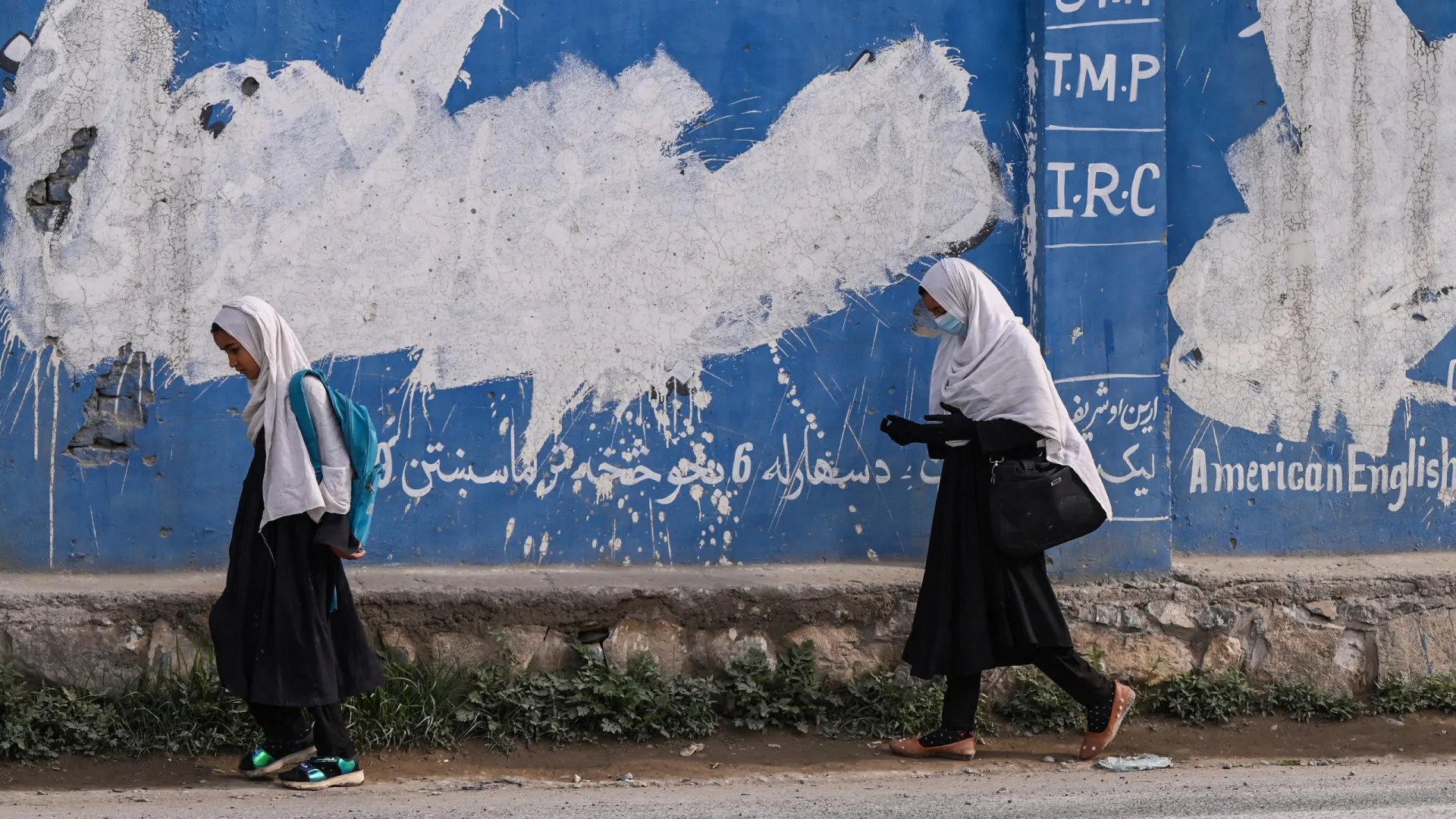
Afghanistan’s Struggle for Women’s Rights: A Judicial Decision Sparks Outrage
In a disturbing turn of events, a judge in Afghanistan has rejected a woman’s petition for divorce amidst allegations of domestic violence, citing that “a few beatings won’t kill her.” This shocking decision has sparked widespread condemnation and raises serious concerns about the Taliban’s revised family law, which effectively legalizes marital violence against women.
The Taliban’s Revised Family Law: A Threat to Women’s Safety
In 2021, the Taliban introduced a new family law that has been widely criticized for its draconian provisions. Article 11 of the law states that a husband is allowed to “lightly beat” his wife as a form of punishment for disobedience. This revision has been met with fierce resistance from human rights groups and women’s organizations, who argue that it perpetuates a culture of violence and impunity against women.
The Case of the Rejected Divorce Petition
The case in question involves a woman who sought a divorce from her abusive husband, citing years of physical and emotional abuse. Despite presenting evidence of her husband’s violence, the judge rejected her petition, stating that a few beatings were not enough to warrant a divorce. This decision has been widely condemned as a blatant disregard for the woman’s safety and well-being.
Historical Context: The Taliban’s Treatment of Women
The Taliban’s treatment of women has been a longstanding concern, with a history of restricting their rights and freedoms. During their previous rule in the 1990s, women were denied access to education, employment, and healthcare, and were forced to wear burkas in public. The current Taliban regime has promised to respect women’s rights, but their actions suggest otherwise.
Global Implications: A Threat to Women’s Rights Worldwide
The Taliban’s revised family law and the judge’s decision in this case have significant implications for women’s rights worldwide. It highlights the need for international pressure and advocacy to hold governments accountable for their treatment of women. The United Nations has called on the Taliban to repeal the revised family law and ensure that women’s rights are protected.
Conclusion: A Call to Action
The rejection of the woman’s divorce petition is a stark reminder of the ongoing struggle for women’s rights in Afghanistan. It is essential that the international community continues to push for women’s rights and holds the Taliban accountable for their actions. As the world watches, it is clear that the fate of women’s rights in Afghanistan hangs in the balance.
Keyword Integration:
– Afghanistan
– Women’s rights
– Taliban
– Domestic violence
– Marital violence
– Family law
– Human rights
– United Nations
SEO Optimized Structure:
I. Introduction
II. **The Taliban’s Revised Family Law: A Threat to Women’s Safety**
III. **The Case of the Rejected Divorce Petition**
IV. **Historical Context: The Taliban’s Treatment of Women**
V. **Global Implications: A Threat to Women’s Rights Worldwide**
VI. Conclusion